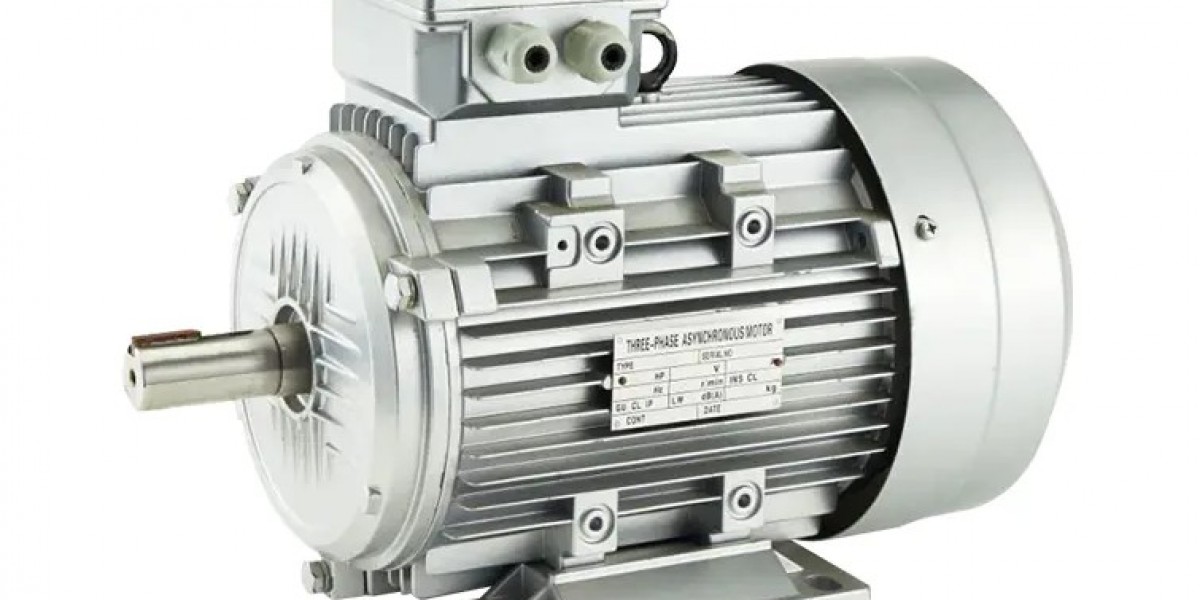

Industrial motors often operate in environments where dust, vibration, temperature changes, and continuous workloads place pressure on mechanical and electrical components. An AC Brushless Motor removes the need for conventional brush replacement, but proper inspection is still necessary. A clear maintenance routine can help identify developing faults before they cause equipment downtime.
The first step is to follow the manufacturer's maintenance instructions and establish an inspection schedule based on operating conditions. Motors used in clean indoor environments may require different attention from those installed near dust-producing machinery or exposed to moisture. Operating hours, load changes, and temperature conditions should also be considered when planning maintenance activities.
Bearings deserve regular attention because they support the rotating shaft. Unusual noise, increased vibration, or abnormal temperature may indicate wear, lubrication problems, misalignment, or excessive loading. The appropriate response depends on the bearing type and the motor design. Maintenance personnel should use the specified inspection and replacement procedures rather than applying lubricant without checking the requirements.
Electrical connections should remain secure and free from visible damage. Loose terminals can create resistance and localized heating, while damaged cables may interrupt power or control signals. Before inspection, the equipment should be isolated from its power source according to established safety procedures. Qualified personnel should verify that stored electrical energy has been discharged where applicable.
Cooling components also affect reliability. Dust or debris can obstruct ventilation openings and restrict airflow. Cleaning should follow the motor's protection rating and the manufacturer's guidance to avoid introducing moisture or damaging sensitive parts. In systems with separate controllers, the controller enclosure and cooling arrangements should be checked as well.
An AC Brushless Motor relies on electronic switching to control its magnetic field. Depending on the design, a fault may originate in the motor windings, position sensors, controller, or power supply. If the motor fails to start, runs unevenly, or stops unexpectedly, troubleshooting should begin with the power connection, fault indicators, control commands, and load conditions. Replacing parts without identifying the cause can lead to repeated failures.
Vibration monitoring and operating records can make maintenance more useful. Recording changes in noise, temperature, current, or running behavior helps technicians compare present conditions with previous observations. This information can also support maintenance planning for equipment that operates across multiple shifts.
The surrounding machine should not be overlooked. Incorrect shaft alignment, excessive belt tension, or a jammed driven component may place additional stress on the motor. Checking the complete drive assembly helps distinguish motor faults from problems elsewhere in the equipment.
A well-maintained AC Brushless Motor can support dependable operation over its intended service life. Combining routine inspection, correct installation, suitable control settings, and timely fault diagnosis helps industrial users maintain equipment stability and manage unplanned downtime.
https://www.acasynchronousmotor.com/product/