
Commercial kitchens place regular demands on sink fittings. Restaurants, catering facilities, staff kitchens, and food preparation areas may use taps repeatedly throughout operating hours. Kitchen Mixer Taps in these environments need to support practical cleaning routines, reliable water control, and convenient access for staff. Their suitability depends on construction, installation conditions, and the tasks performed at each sink.
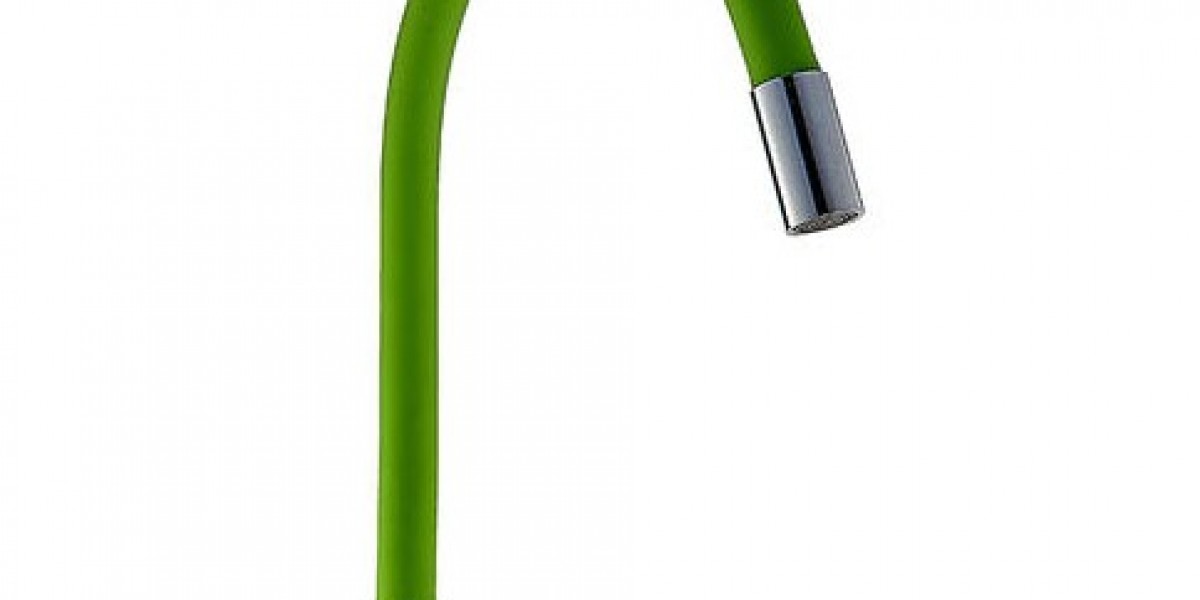
A commercial sink may be used for rinsing ingredients, washing utensils, filling containers, and cleaning work equipment. A high-arc spout can provide clearance for deep pots, while a swivel spout may help staff move between sink compartments. Pull-out spray models can provide additional reach, although their hose construction and maintenance requirements should be reviewed before installation.
The control mechanism affects how easily workers can operate the tap. A single-lever design allows quick adjustment of water temperature and flow. In busy environments, the handle should move smoothly and remain secure during repeated use. Internal cartridges and seals are important components because wear in these parts can cause dripping, difficult operation, or inconsistent water control.
Material choice should reflect the working environment. Brass and stainless steel are commonly used in kitchen fittings, but the exact material grade and construction details vary between products. Buyers should review product specifications rather than relying on appearance alone. The selected finish should also tolerate the cleaning products used in the facility without unnecessary surface damage.
Installation compatibility is another consideration. Kitchen Mixer Taps must match the sink mounting arrangement, water supply connections, and available operating pressure. Commercial projects may have specific requirements relating to hygiene, water efficiency, or local plumbing rules. Checking applicable standards before installation can help avoid changes after the kitchen is operational.
Routine maintenance helps identify issues before they interrupt work. Staff can check for loose handles, leaks around connections, reduced flow, and damaged spray hoses during scheduled inspections. Aerators may collect mineral deposits over time, particularly in areas with hard water. Cleaning or replacing serviceable components according to the manufacturer's instructions can help restore normal flow.
For hospitality equipment distributors and facility contractors, consistent specifications and accessible spare parts simplify maintenance planning. Product documentation should identify connection sizes, installation requirements, compatible replacement components, and cleaning recommendations. These details also help technicians diagnose problems without unnecessary dismantling.
Kitchen Mixer Taps should be selected according to the workload and layout of each commercial sink. A fitting that matches the water supply, offers suitable clearance, and allows straightforward servicing can support daily kitchen operations and help reduce avoidable maintenance interruptions.
https://www.faucetfactory.net/product/single-lever-mixers/single-lever-kitchen-mixers/