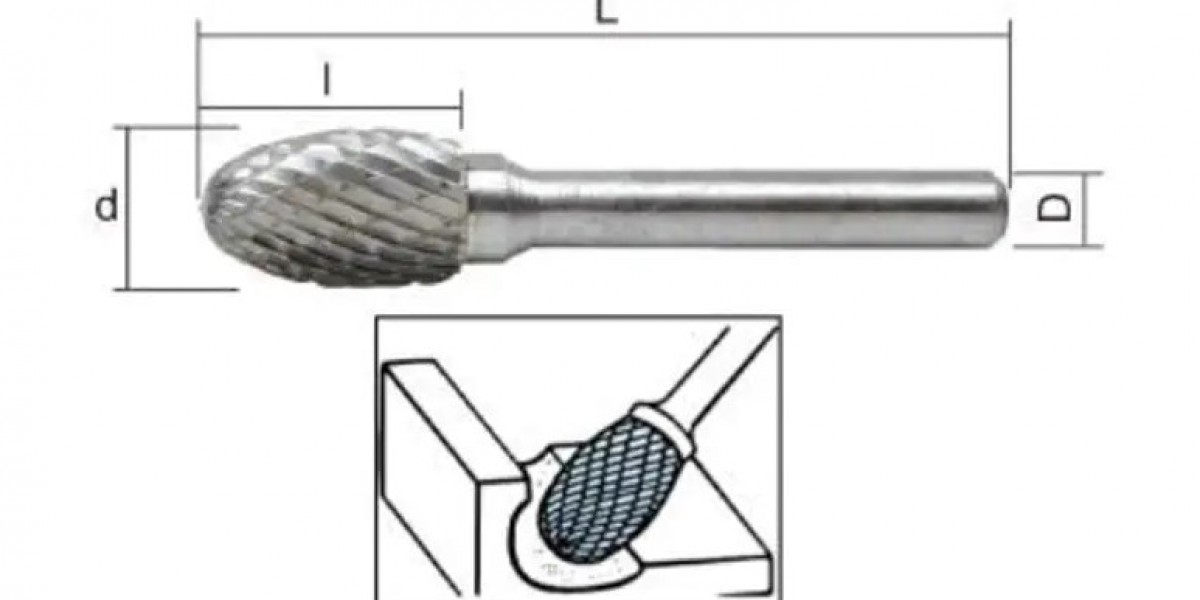

Carbide burrs are used in many workshops for shaping metal, removing burrs, cleaning castings, and refining machined surfaces. Although these tools are made for demanding rotary cutting tasks, their service life depends on handling, operating conditions, and maintenance. A damaged cutting head or an unsuitable operating method can affect surface quality and create unnecessary replacement costs.
Before use, operators should inspect the carbide burr for chipped teeth, cracks, bent shanks, or other visible damage. The shank must fit the collet securely, and the rotary tool should be compatible with the burr's dimensions and specified speed range. If the tool vibrates unexpectedly or produces unusual noise, operation should stop so the equipment and attachment can be checked.
Correct pressure helps protect the cutting edges. Forcing the burr into a workpiece can generate excessive heat and place unnecessary stress on the teeth. Operators should guide the tool steadily and let the cutting edges remove material. When working on a large area, several controlled passes may provide better control than trying to remove too much material at once.
The workpiece material also affects maintenance needs. Aluminum may leave deposits on the cutting edges, while harder metals can place greater demands on the tooth structure. Selecting a burr designed for the intended material helps reduce avoidable wear. If chips accumulate or cutting becomes inconsistent, the operator should stop and inspect the tool rather than increasing pressure without identifying the cause.
Cleaning should follow the tool manufacturer's guidance. Suitable methods can remove residue without damaging the cutting profile. Burrs should be dried when necessary and stored in a case, holder, or organized compartment that prevents their cutting heads from striking other metal tools. Keeping different sizes and shapes separated also makes it easier to identify the correct attachment for the next job.
Safe working habits are essential when using rotary cutting equipment. The workpiece should be clamped securely, and loose clothing, jewelry, and hair should be kept away from rotating parts. Eye protection is necessary because metal chips may be ejected during cutting. Operators should also follow the equipment instructions and use any additional protective equipment required by the material and work environment.
For industrial maintenance teams, recording tool usage and replacement reasons can help identify recurring problems. Premature wear may be associated with incorrect speed, excessive pressure, poor machine compatibility, or an unsuitable tooth pattern. Reviewing these factors can improve tool selection and handling procedures.
A Carbide Burr remains a practical tool for detailed metalworking when it is correctly selected, securely installed, and handled with care. Routine inspection, appropriate cleaning, and organized storage help preserve cutting edges and support consistent results across workshop tasks.
https://www.zycementedcarbides.com/product/carbide-burrs-series/