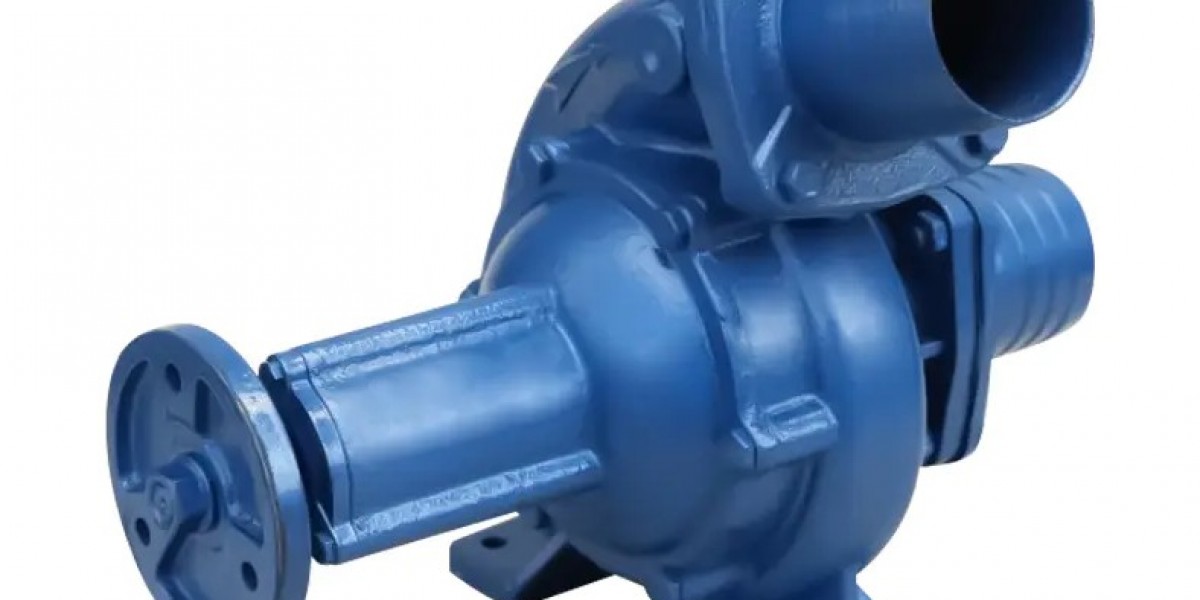

Livestock farms need a reliable water supply for animal drinking systems, cleaning activities, equipment washing, and general facility maintenance. An Agricultural Centrifugal Pump can transfer water from wells, reservoirs, tanks, or other suitable sources to storage and distribution points around the farm. Its ability to move water through connected pipework makes it useful for different farm layouts.
Water demand varies according to the number and type of animals, the local climate, and the farm's daily operating routine. A pump serving drinking water tanks may have different requirements from one used for washing floors or filling larger storage containers. Before selecting an Agricultural Centrifugal Pump, operators should estimate the expected flow rate and consider the pressure needed at the delivery point. Pipe length, elevation changes, and fittings all affect the system's performance.
Water quality must also be assessed. Water supplied for animal consumption should meet the applicable local requirements, and the materials in contact with it should be suitable for the intended use. Where water comes from an open pond or reservoir, screening and filtration may be needed to remove debris. A pump designed for clean water should not be assumed suitable for slurry, thick waste, or liquids containing large solid particles.
The installation environment can influence equipment choice. Outdoor pumps may require protection against rain, dust, and temperature changes, depending on their construction and location. Electrical models need a suitable power supply and appropriate protective devices. In remote livestock facilities, engine-driven options may be considered when electricity is unavailable, although fuel storage and servicing must also be planned.
A well-designed distribution system can help reduce interruptions in daily farm work. Storage tanks, shutoff valves, pressure controls, and properly sized pipelines can work alongside the pump to provide water where it is needed. The system should avoid unnecessary restrictions that create excessive resistance or place additional demands on the equipment.
Routine maintenance supports stable operation. Farm staff should inspect the suction line, clean intake screens, check seals, and listen for changes in operating noise. If water delivery becomes irregular, possible causes include a blocked intake, air leakage, inadequate source levels, or worn components. Safe shutdown procedures should be followed before inspection or repair.
For agricultural equipment distributors and livestock facility operators, an Agricultural Centrifugal Pump can be a useful part of a planned water supply system. Matching the pump to the water source, facility demand, and installation conditions helps provide consistent service for everyday farm activities.
https://www.xrispump.com/product/centrifugal-pumps/