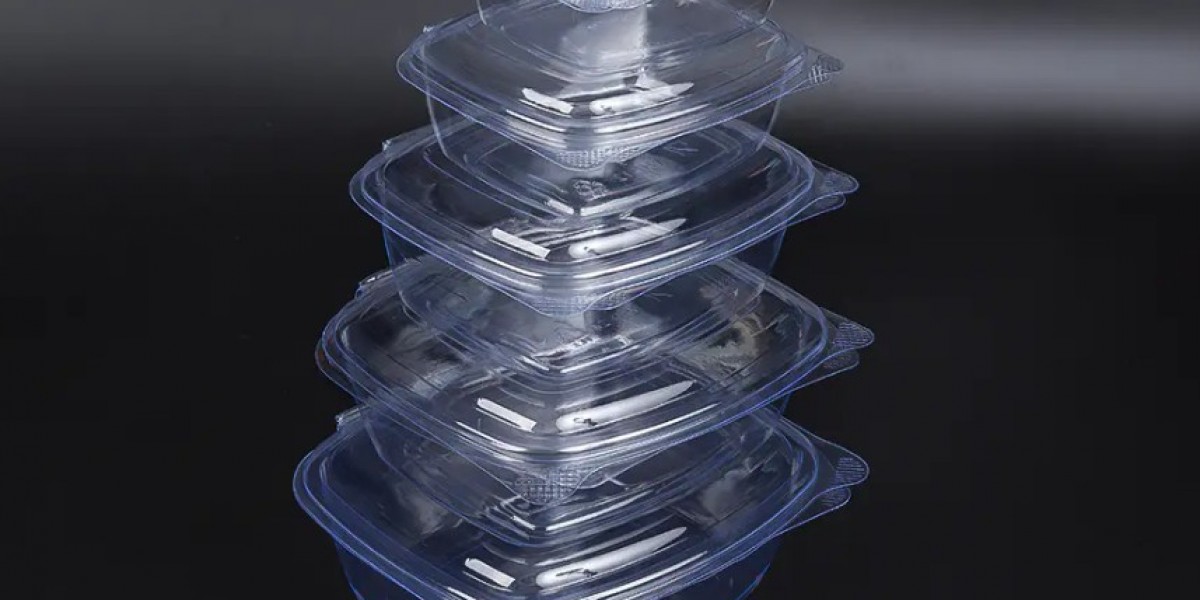

Packaging decisions affect food protection, service speed, inventory management, and waste handling. For businesses reviewing alternatives to conventional plastic, PLA Compostable Takeaway Containers provide a potential solution for specific food categories. These products use polylactic acid, a polymer commonly derived from plant-based raw materials. Depending on the formulation and manufacturing process, PLA can be shaped into containers with clear walls and practical designs for takeaway service.
One useful feature is product visibility. Cafes, food retailers, and catering operators can display chilled salads, fruit portions, desserts, and snacks without exposing the contents. This supports quick identification during order preparation and can improve the presentation of packaged meals. Different shapes and capacities also allow businesses to organize portions according to menu requirements.
Material selection should begin with the food itself. Buyers need to consider temperature, moisture, oil content, storage duration, and transport conditions. Standard PLA containers generally have limited heat resistance, making them unsuitable for many hot food applications unless specifically designed and tested for that purpose. A product intended for refrigerated storage should not be assumed suitable for microwave use or hot filling.
The lid and container must function as a complete packaging system. Buyers should examine closure strength, fit, handling stability, and leakage performance where relevant. For delivery services, containers may be tilted, stacked, or moved repeatedly before reaching the customer. Testing with actual food portions and normal delivery procedures can reveal problems that are not obvious from product photographs.
For importers and wholesalers, dependable product information helps support sales and inventory planning. Useful details include material composition, dimensions, capacity, recommended temperature range, lid compatibility, carton packing, and storage guidance. Sample evaluation can also help buyers compare different product designs before arranging larger orders.
PLA Compostable Takeaway Containers are often marketed as an environmentally considerate alternative, but disposal conditions matter. Industrial compostability does not automatically mean a product can be composted at home or accepted by local organic waste collection systems. Buyers should verify the applicable certification, understand local waste management rules, and communicate disposal instructions accurately. Claims about environmental benefits should reflect documented product characteristics rather than broad assumptions.
Food safety requirements also vary by market and application. Importers should request relevant food contact compliance documents and check whether the product is approved for the intended use. Clear records can help distributors answer customer questions and support their own compliance procedures.
A well-planned packaging selection process considers material behavior, user convenience, logistics, certification, and end-of-life handling together. With these factors assessed, PLA Compostable Takeaway Containers can serve suitable takeaway applications while giving businesses a clearer basis for responsible packaging decisions.
https://www.shenglinpla.com/product/compostable-takeaway-containers/