
Chain performance is influenced by operating conditions as much as by the product design. Temperature, moisture, dust, load, speed, and maintenance practices can all affect wear and service life. An O-Ring Chain Factory serving motorcycle parts distributors and equipment businesses should help buyers understand these factors when selecting sealed chain products.
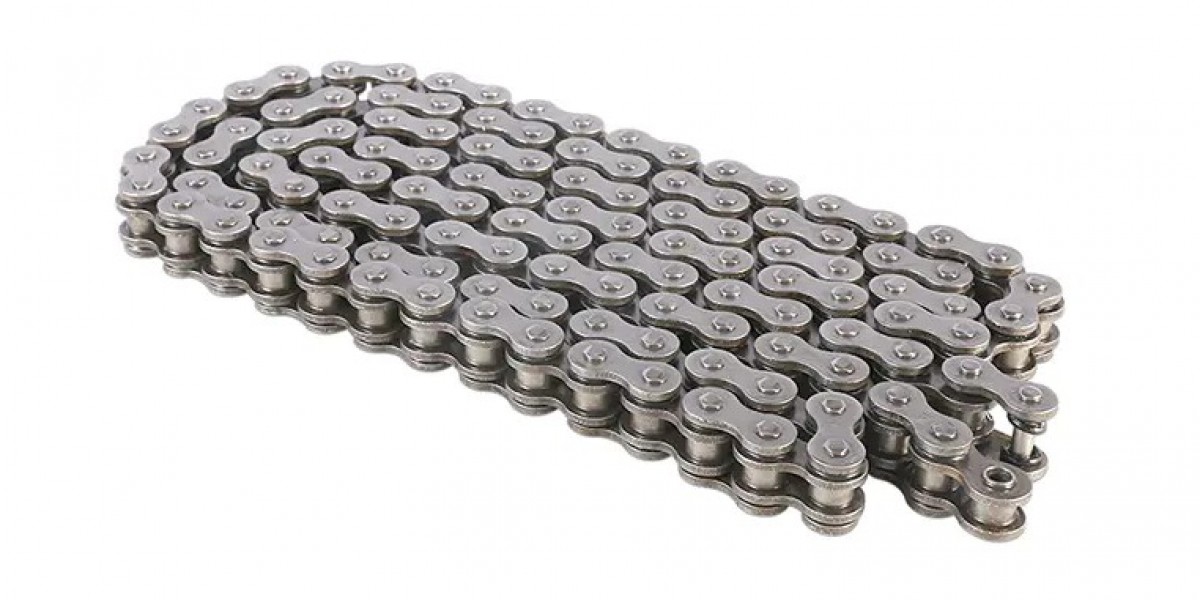
An O-ring chain contains rubber sealing rings positioned between designated link components. These rings help retain lubricant around the pins and bushings, reducing the entry of contaminants into internal contact areas. The sealed structure can be useful in applications exposed to road dirt and occasional moisture. However, it does not make the chain maintenance-free or suitable for every transmission system.
Motorcycles provide a familiar example of how operating conditions affect chain selection. During use, the chain moves continuously around sprockets while carrying changing loads. Incorrect tension can increase stress on the chain and related components. A chain that is too tight may place additional loads on the drivetrain, while excessive slack can cause unstable movement. Following the vehicle manufacturer's adjustment instructions helps maintain suitable operating conditions.
Environmental exposure also deserves consideration. Dust and abrasive particles can contribute to wear when they reach moving contact surfaces. Water may affect exposed metal components, particularly when the chain is stored or used in wet conditions without suitable care. Sealing rings help limit contamination, but damaged seals or incompatible cleaning chemicals can reduce their effectiveness. Regular visual inspection can identify problems before they develop into more serious operating issues.
Industrial chain applications require a separate compatibility assessment. Not every O-ring chain is designed for general industrial power transmission. Load characteristics, operating speed, sprocket geometry, lubrication needs, and environmental conditions must be checked against the chain's intended use. Buyers should consult technical specifications instead of selecting a motorcycle chain for machinery solely because the dimensions appear similar.
When evaluating an O-Ring Chain Factory, buyers can ask how products are classified by application and what technical information is available. Useful details include dimensional drawings, material specifications, installation guidance, and maintenance recommendations. Where mechanical testing is provided, the buyer should confirm what the test measures and whether the results apply to the requested model.
Maintenance procedures should suit the sealing structure. Use cleaning products compatible with the chain and its rubber rings, avoid aggressive solvents unless expressly permitted, and apply a lubricant intended for sealed chains. Check chain tension, sprocket wear, stiff links, unusual noise, and visible seal damage at appropriate intervals. Replace worn components according to the equipment manufacturer's guidance.
For distributors, accurate product descriptions help prevent incorrect applications. Packaging and technical sheets should identify the chain model, compatible uses, and care requirements without making unsupported performance claims. This information also helps service professionals explain the differences between sealed and unsealed chain designs.
Selecting an O-Ring Chain Factory is therefore not simply a matter of comparing prices. Application suitability, dimensional consistency, sealing materials, inspection procedures, and maintenance support all contribute to a workable supply arrangement. By matching the chain to its intended environment, buyers can make informed product decisions and provide clearer guidance to their customers.
https://www.mgchain.net/product/motorcycle-drive-chain/oring-type-motorcycle-chain/