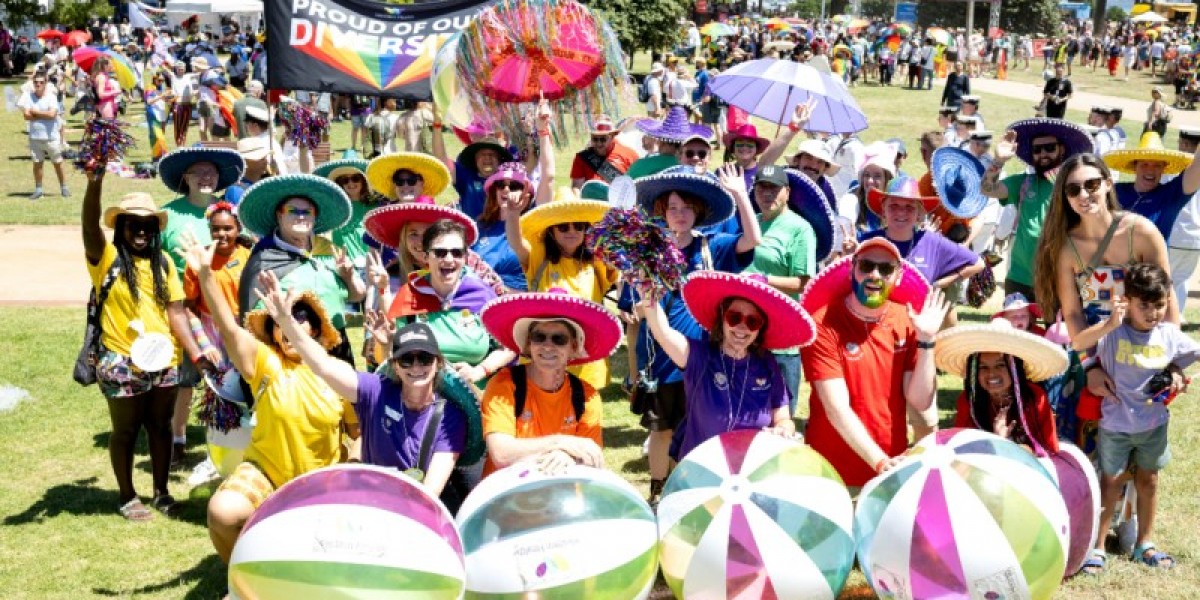

Social justice photography is a powerful tool that allows stories to be told beyond words. It captures moments that reveal inequalities, struggles, and triumphs within communities that are often overlooked. Photographers working in this space do more than take pictures; they document experiences that might otherwise remain hidden, giving visual form to the voices of people who are frequently ignored or misrepresented. By presenting these stories through images, social justice photography fosters awareness, empathy, and action, helping to shape public understanding and influence social change.
The Role of Photography in Social Awareness
Photography has a unique ability to evoke emotions. Unlike statistics or reports, a photograph can instantly convey a sense of urgency, injustice, or hope. Images of protests, daily life under hardship, or community gatherings offer viewers an intimate glimpse into realities they may never experience firsthand. This emotional resonance can challenge preconceived notions, spark conversations, and encourage audiences to consider perspectives outside their own. In this way, photography becomes a bridge, connecting people to stories that might otherwise remain distant or abstract.
Amplifying Marginalised Voices
Communities facing systemic discrimination often struggle to have their experiences recognised. Social justice photography addresses this by putting a spotlight on their stories in a respectful and dignified way. When a photograph captures the strength, resilience, and humanity of those affected, it gives them a platform where their voices are heard. This is particularly important in areas such as racial inequality, gender discrimination, disability rights, and Indigenous rights, where the lived experiences of individuals can be overshadowed by dominant narratives. Visual storytelling provides a way to challenge stereotypes and offer authentic representation.
Ethical Considerations in Social Justice Photography
Working with vulnerable communities requires sensitivity and responsibility. Ethical social justice photographers prioritise consent, respect, and accuracy. They build trust with the people they photograph, ensuring that the images reflect their lived experiences without exploiting or misrepresenting them. This ethical approach not only protects subjects but also strengthens the credibility and impact of the work. Authenticity is crucial; images that are staged or manipulated risk undermining the message and reducing the trust viewers place in the stories being told.
Impact on Policy and Society
Social justice photography does not exist solely as art; it has practical effects on society. Powerful images can influence policymakers, drive public campaigns, and inspire grassroots activism. For instance, photographs documenting environmental destruction or housing crises can provoke discussions that lead to legislative review or increased support for affected communities. By presenting issues visually, photography makes complex problems tangible and urgent, encouraging solutions that might not emerge through text alone. Its reach extends beyond galleries, news outlets, and social media, becoming a tool for measurable change.
Visual Storytelling as a Catalyst for Dialogue
Photographs have the ability to initiate dialogue in ways words often cannot. They allow viewers to engage with issues personally and emotionally, opening space for reflection and conversation. This dialogue is essential for social progress because it encourages empathy and understanding between people from different backgrounds. Visual storytelling can also inspire collaboration among activists, artists, and organisations working towards justice, creating networks that amplify efforts and strengthen advocacy initiatives.
Integration with Community Support Services
Effective social justice photography often works in tandem with services that address the challenges faced by marginalised communities. For example, visual narratives highlighting the experiences of displaced or isolated individuals can naturally lead to engagement with initiatives aimed at inclusion, support, and healing. One such service helps people navigate emotional and social barriers in daily life, offering guidance to those who feel unseen or unheard. By connecting visual storytelling with practical support, photography not only raises awareness but also encourages meaningful action that improves lives.
Conclusion
Social justice photography is more than a medium; it is a movement that empowers communities and promotes change. Through careful, ethical, and empathetic visual storytelling, photographers give voice to those who are often overlooked, fostering understanding and driving social progress. These images are a testament to resilience and a call for justice, reminding society of the power of seeing, acknowledging, and responding to the realities of others. By capturing change in its many forms, photography continues to illuminate pathways towards equity, compassion, and inclusion.