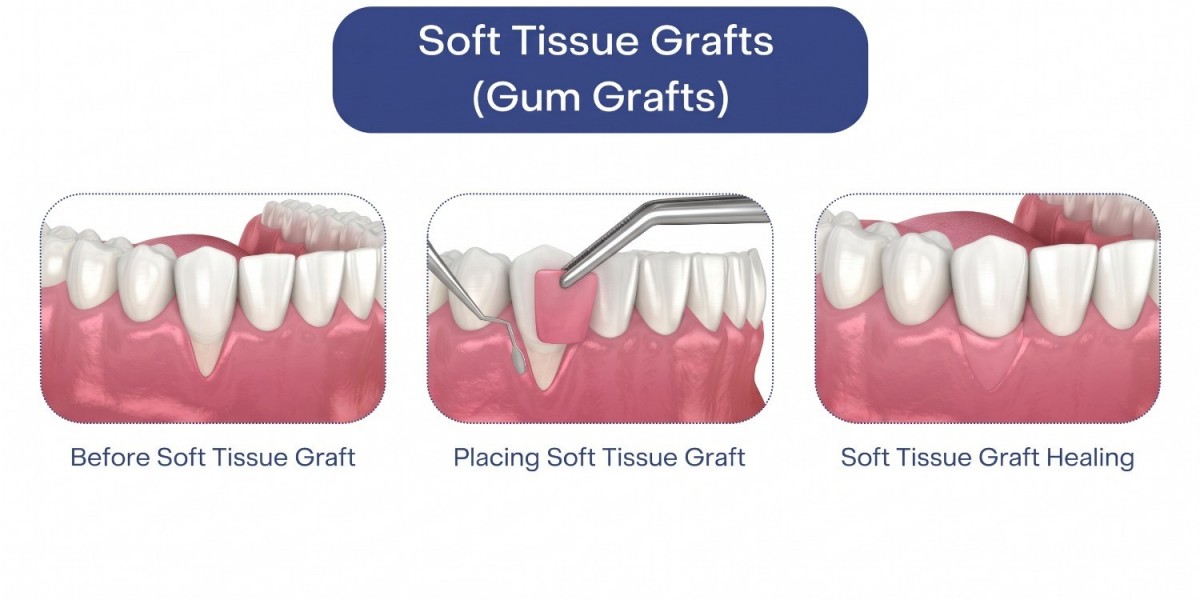

Gum health is essential for keeping teeth stable, comfortable and protected throughout life. However, gum tissue can gradually recede, leaving tooth roots exposed and making certain areas more sensitive to temperature, brushing and food. Although recession may develop slowly, it can eventually affect both the appearance of the smile and the protective tissue surrounding the teeth. Addressing it early can help patients understand the cause and prevent further damage.
Patients exploring Gum Grafting in Islamabad may benefit from learning how periodontal specialists restore gum tissue, strengthen thin areas and manage exposed roots. Gum grafting is a surgical procedure that adds tissue to areas affected by recession. The dentist selects the technique according to the patient's gum condition, tissue thickness, tooth position and treatment goals.
Knowing when gum grafting is recommended, what happens during the procedure and how to care for the gums afterward can make the treatment journey easier to understand.
Understanding the Relationship Between Gum Tissue and Tooth Roots
Gums provide a protective covering around the teeth and help maintain a healthy environment for the underlying supporting structures. Healthy gum tissue forms a seal around the teeth, limiting the exposure of sensitive root surfaces to the oral environment.
Unlike the crown, which is covered by enamel, the tooth root is covered by cementum. When recession exposes the root, the area may become more sensitive and susceptible to root surface wear and decay.
Gum tissue also contributes to the appearance of the smile. An uneven gumline can make some teeth look longer than others, even when the teeth themselves have similar sizes.
Gum grafting aims to improve the amount or thickness of tissue in specific areas. Depending on the clinical situation, it may cover exposed roots, strengthen the gum margin or improve the tissue's ability to tolerate everyday brushing.
What Causes Gum Recession Around Teeth?
Gum recession can develop for several reasons. Identifying the contributing factors is an important part of treatment because a graft alone may not prevent future recession if the underlying cause remains.
Improper brushing technique
Using excessive pressure while brushing or choosing a hard-bristled toothbrush may contribute to gum irritation and recession. Repeated trauma can affect vulnerable areas, especially when the tissue is naturally thin.
Plaque and tartar buildup
Bacterial plaque can accumulate along the gumline when cleaning is inadequate. If plaque hardens into tartar, professional cleaning becomes necessary. Persistent inflammation from periodontal disease can damage gum tissue and the bone supporting the teeth.
Naturally thin gums
Some patients have thin gum tissue because of their natural anatomy. Thin tissue may be more vulnerable to recession, particularly around teeth with prominent roots.
Orthodontic and tooth-position concerns
Teeth positioned outside their supporting bone boundaries may have reduced tissue support in certain areas. Orthodontic treatment can sometimes reveal or contribute to gum concerns when tissue is already vulnerable, so careful assessment is important.
Tobacco use
Smoking and other tobacco products can negatively affect periodontal health and healing. Tobacco use may also make gum disease harder to manage and increase the risk of complications following periodontal surgery.
Age-related tissue changes
Changes in gum position may become more noticeable with age, but significant recession should not be dismissed as a normal part of ageing. Dental assessment can help identify preventable causes.
How to Recognise Gum Recession Early
Gum recession does not always cause pain, which is why patients may overlook it. Changes in the gumline can become noticeable gradually, particularly around the front teeth, canines or premolars.
Some common signs include:
Teeth appearing longer than before.
Visible root surfaces near the gumline.
Sensitivity when drinking cold water.
Discomfort when brushing certain areas.
Uneven gum margins between neighbouring teeth.
Food collecting near exposed root surfaces.
Notches or worn areas close to the gumline.
Thin gum tissue that appears easily irritated.
A dentist can measure recession and examine the periodontal tissues to determine whether the condition is stable or progressing. The examination may also include checking for periodontal pockets, bleeding, tooth mobility and bone support.
When Does a Dentist Recommend Gum Grafting?
Gum grafting is not necessary for every case of recession. Some patients only need better brushing techniques, professional cleaning, sensitivity management or regular monitoring.
A periodontal specialist may recommend grafting when recession creates a concern that cannot be adequately managed through non-surgical care alone.
Treatment may be considered when:
Exposed roots cause persistent sensitivity.
Gum tissue is too thin around certain teeth.
Recession continues despite improved oral hygiene.
The patient has difficulty cleaning an affected area comfortably.
The exposed root is vulnerable to damage or decay.
Gumline appearance is a concern and the anatomy is suitable for correction.
Additional tissue is needed to improve stability around a tooth.
The dentist evaluates the amount of recession, surrounding tissue, root surface and overall oral health before recommending surgery.
Different Gum Grafting Techniques
Periodontal specialists use several grafting methods. Each technique serves a particular purpose, and the dentist chooses one based on the patient's anatomy and the type of tissue correction required.
<AsyncImageGroup query="gum grafting dental medical illustration connective tissue graft free gingival graft pedicle graft periodontal surgery" layout="bento" aspectRatio="5:4"/>
Connective Tissue Grafting
Connective tissue grafting is frequently used to address root exposure caused by recession. The dentist obtains connective tissue, commonly from beneath the surface of the palate, and places it under the gum tissue around the affected tooth.
The graft can help increase tissue thickness and may improve root coverage. This technique is often considered when patients have thin gums or visible recession that affects the appearance and protection of the tooth.
Free Gingival Grafting
A free gingival graft involves transferring a small piece of tissue from the palate to the affected area. It is commonly used to increase the width of firm, keratinised gum tissue.
The main purpose may be to strengthen the tissue around a tooth rather than achieve complete root coverage. The dentist determines whether this approach is suitable for the location and condition of the recession.
Pedicle Grafting
A pedicle graft uses tissue from the gum next to the affected tooth. The dentist partially releases this tissue and moves it over the exposed root while maintaining its blood supply.
This technique may be suitable when enough healthy tissue is available next to the recession. It avoids taking tissue from a separate donor site, but not every patient has the surrounding gum tissue required for this method.
Donor Tissue Grafting
Some periodontal procedures use processed donor tissue as an alternative to harvesting tissue from the patient's palate. This can be helpful in selected cases involving multiple recession sites or when the dentist wants to avoid a second surgical area.
The periodontist discusses the advantages and limitations of each option before treatment.
What Happens Before Gum Grafting Surgery?
Preparation helps improve the chances of successful healing. Before recommending grafting, the dentist evaluates the patient's oral health and addresses any active inflammation.
Comprehensive periodontal examination
The dentist examines the gumline and measures recession at the affected teeth. They may check the depth of periodontal pockets, bleeding, plaque buildup, tooth mobility and the thickness of the gum tissue.
Professional cleaning
Patients with plaque, tartar or gum inflammation may need scaling and other periodontal care before surgery. A clean, healthy environment supports healing and reduces avoidable complications.
Treatment planning
The periodontist identifies the grafting technique, determines the tissue requirements and explains the expected outcome. They may discuss whether the goal is root coverage, tissue thickening or improved gum stability.
Medical history review
The dentist reviews medications, allergies, medical conditions and tobacco use. Patients should disclose relevant health information and follow instructions regarding medication changes.
Understanding postoperative instructions
Before the procedure, patients should know what foods to prepare, how to clean their teeth, which medications may be prescribed and when follow-up appointments will take place.
Step-by-Step Gum Grafting Procedure
Gum grafting is usually performed under local anaesthesia. The procedure can vary according to the type of graft and the location of the recession.
Step 1: Anaesthesia
The dentist numbs the surgical area to reduce discomfort during the procedure. If tissue is obtained from the palate, that area is also anaesthetised.
Step 2: Preparing the recipient site
The dentist carefully prepares the gum around the exposed root. They may adjust the tissue to create a suitable area for graft placement.
Step 3: Obtaining the graft
When the patient's own tissue is used, the dentist collects the required tissue from the donor area. If an appropriate donor material is selected, it is prepared according to the procedure.
Step 4: Positioning the tissue
The graft is placed over or beneath the gum tissue, depending on the selected technique. The dentist carefully adjusts its position to achieve the planned coverage or tissue thickness.
Step 5: Securing the graft
Small sutures hold the tissue in place. The dentist may apply a protective dressing when appropriate to reduce irritation during the initial healing period.
Step 6: Recovery instructions
Patients receive guidance about diet, oral hygiene, medications and activity restrictions. Follow-up appointments help the dentist monitor healing and graft stability.
Gum Grafting for Front Teeth
Recession around the front teeth can be particularly noticeable because these teeth are visible when smiling and speaking. Exposed roots may also make the gumline appear uneven.
A gum graft may help improve the tissue coverage and contour around front teeth when the anatomy is suitable. The dentist considers the position of the teeth, the amount of recession, tissue thickness and the neighbouring gumline.
Aesthetic results depend on several factors, including:
The original recession pattern.
The thickness and quality of the surrounding gums.
The position of the affected tooth.
The selected graft technique.
Healing and tissue integration.
The patient's oral hygiene and maintenance.
Patients should understand that grafting can improve gumline appearance, but the exact colour, contour and amount of root coverage may differ from the neighbouring tissue.
Recovery After Gum Grafting
Recovery requires protecting the graft and avoiding unnecessary pressure on the surgical area. The dentist provides instructions based on the procedure performed.
First 24 hours
The area may feel tender as the anaesthesia wears off. Mild bleeding, swelling or discomfort can occur. Patients should rest and avoid disturbing the surgical site.
First few days
Tenderness may continue, particularly when tissue has been taken from the palate. Follow the dentist's instructions for pain management and oral hygiene. Avoid pulling the lip or cheek to inspect the graft repeatedly.
First week
The tissue remains delicate while early healing develops. Patients should eat soft foods and avoid brushing directly over the graft unless the dentist specifically instructs them to do so.
Following weeks
The gum tissue gradually becomes more stable. The dentist may remove sutures if needed and assess the progress of healing.
Several months later
The graft continues to mature, and its final appearance becomes clearer. The dentist can assess the tissue coverage, thickness and long-term stability.
Recovery time varies between individuals, so follow-up assessment is more reliable than comparing healing with someone else's experience.
Foods to Eat and Avoid After Gum Grafting
Choosing appropriate foods can reduce discomfort and protect the healing tissue.
Recommended foods
Smooth yogurt.
Mashed potatoes.
Soft scrambled eggs.
Blended lentil soup.
Soft oatmeal.
Smoothies without hard seeds.
Pureed vegetables.
Soft pasta.
Applesauce or other smooth fruit purees.
Foods to avoid initially
Crispy chips and crackers.
Nuts and seeds.
Hard toast.
Tough meat.
Spicy foods.
Very hot food or drinks.
Sticky foods that may pull at the graft.
Foods requiring vigorous chewing near the surgical area.
Patients should avoid straws if advised because suction may interfere with healing. A balanced diet and sufficient fluids are important, but food choices should follow the dentist's instructions.
Possible Complications of Gum Grafting
Gum grafting is a periodontal surgical procedure, so certain complications may occur even when the dentist performs the treatment carefully.
Potential risks include:
Postoperative bleeding.
Swelling and tenderness.
Infection.
Graft movement or failure to integrate.
Partial root coverage.
Changes in tissue colour or texture.
Sensitivity during healing.
Discomfort at the donor site.
Patients should contact their dentist if they notice persistent bleeding, worsening pain, significant swelling, fever or other concerning symptoms.
The final result depends on the patient's tissue, surgical technique, healing response and maintenance. Complete root coverage is not always achievable.
Gum Grafting Cost in Islamabad
The cost of gum grafting depends on the treatment requirements and the number of areas involved. A single recession site may require a different approach from multiple teeth with thin or damaged tissue.
Patients researching Gum Grafting cost should obtain a personalised estimate following a periodontal examination.
The treatment fee may depend on:
The type of graft selected.
Number of teeth or sites involved.
Tissue requirements.
Whether donor tissue or the patient's own tissue is used.
The complexity of the surgical area.
Diagnostic and periodontal procedures.
Follow-up visits and postoperative care.
A written estimate helps patients understand which services are included and whether any additional periodontal treatment is needed before grafting.
How to Keep Gums Healthy After Grafting
The long-term success of gum grafting depends partly on how patients care for their teeth and gums after recovery. The procedure can improve tissue coverage, but it does not remove the need for daily plaque control.
Use a soft-bristled toothbrush
A soft toothbrush helps clean the teeth while reducing unnecessary trauma to the gumline. Patients should use gentle pressure and avoid aggressive horizontal brushing.
Brush correctly
Use the technique recommended by your dentist. Cleaning near the gumline should be thorough but gentle.
Floss carefully
Flossing removes plaque between teeth where a toothbrush may not reach. Patients should resume cleaning around the graft as instructed by their dentist.
Attend periodontal maintenance visits
Professional examinations and cleanings help identify plaque buildup, gum inflammation or new recession early.
Address the underlying cause
If recession relates to brushing habits, tooth position, periodontal disease or tobacco use, managing those factors is important for long-term stability.
Where to Get Gum Grafting Treatment in Islamabad?
Patients noticing exposed roots, thin gum tissue or changes in the gumline can seek a professional periodontal assessment. An examination helps determine whether the recession is stable, whether non-surgical treatment is sufficient or whether a gum graft may be appropriate.
Dental Clinic Islamabad is a starting point for patients looking to explore dental assessment and treatment options for gum-related concerns. A qualified periodontist can evaluate the gum tissue and discuss an individualised plan based on the patient's condition.
The consultation should explain the recommended technique, expected results, recovery process, potential risks and maintenance requirements before surgery.
Frequently Asked Questions
1. Can gum grafting stop gum recession?
Gum grafting may improve tissue thickness and coverage in treated areas, helping protect vulnerable roots. However, it does not eliminate every cause of recession, so continued oral hygiene and periodontal care remain necessary.
2. How long does gum grafting last?
Grafted tissue can remain stable for many years when it heals properly and patients maintain good oral hygiene. Long-term stability depends on the original condition, tissue quality, brushing habits and periodontal maintenance.
3. Will gum grafting leave a scar?
The grafted area may heal with slight differences in texture or colour. Donor-site healing can also leave changes in tissue appearance. The dentist discusses the expected healing pattern based on the technique.
4. Is gum grafting necessary if there is no pain?
Not always. Gum recession may be painless, but exposed roots or thin tissue can still require assessment. The dentist determines whether monitoring, preventive care or grafting is appropriate.
5. Can gum grafting be done on multiple teeth?
Yes, in selected cases. The periodontist determines how many sites can be treated and whether the procedure should be completed in one session or staged over separate appointments.
6. Will I be able to brush normally after gum grafting?
You should continue cleaning your mouth, but avoid brushing directly over the graft until your dentist permits it. Follow the prescribed cleaning routine throughout recovery.
7. Does gum grafting improve the appearance of my smile?
It may improve an uneven gumline and reduce the appearance of exposed roots. The final aesthetic result depends on the tissue, tooth position, recession pattern and healing response.
Conclusion
Gum recession can affect the appearance of teeth, increase sensitivity and leave root surfaces vulnerable to damage. Gum grafting provides a treatment option for selected patients who need additional gum coverage or stronger tissue around affected teeth.
The procedure may involve connective tissue grafting, free gingival grafting, pedicle techniques or donor tissue, depending on the clinical needs. A proper periodontal examination is essential for choosing the right approach and understanding realistic outcomes.
With appropriate treatment, careful recovery and long-term periodontal maintenance, patients can improve gum tissue health, protect exposed roots and maintain a healthier smile.