
In lead-acid battery production, electrolyte filling is a process that requires careful control. The amount of sulfuric acid introduced into each battery must meet its design requirements. Variations during filling can affect production consistency, create additional inspection work, and complicate subsequent manufacturing procedures.
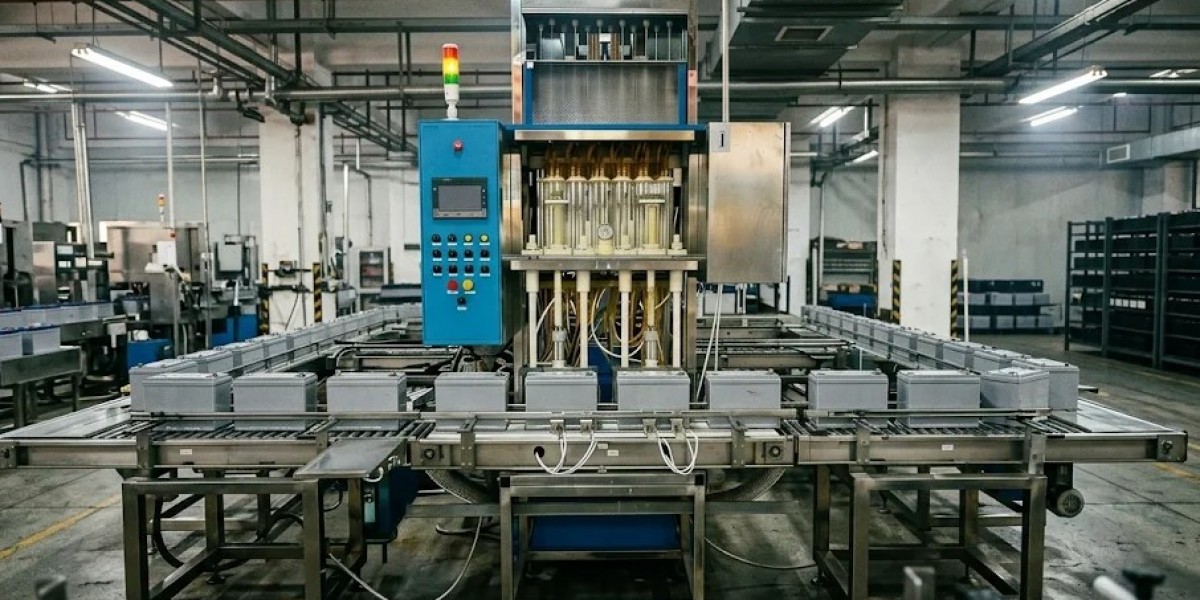
As battery factories move toward higher production volumes and more automated workflows, manual filling becomes increasingly difficult to manage. An Automatic Acid Filling Machine provides a more controlled approach by combining battery transportation, positioning, and quantitative electrolyte filling.
However, equipment selection should involve more than production speed. Manufacturers also need to consider filling accuracy, battery size compatibility, operating parameters, and how the machine connects with existing production equipment.
For companies exploring Automatic Acid Filling Machine Wholesale options, understanding these technical factors can help identify equipment that matches actual manufacturing needs.
1. The Importance of Electrolyte Filling Control
Sulfuric acid electrolyte plays an essential role in the electrochemical operation of lead-acid batteries. During manufacturing, the filling quantity must be appropriate for the battery's internal structure and capacity requirements.
If the quantity is insufficient, electrolyte distribution may not meet the intended production specifications. Excessive filling, on the other hand, can create overflow risks and additional handling requirements.
The challenge becomes more noticeable when a factory produces different battery types. Automotive starting batteries, motorcycle batteries, UPS batteries, and electric bicycle batteries do not necessarily share the same dimensions or electrolyte requirements.
An automated filling process allows manufacturers to establish preset operating parameters for different production needs. This reduces repetitive manual operations and helps improve consistency between production batches.
2. Technical Functions That Influence Filling Performance
When evaluating an industrial battery acid filling machine, buyers should examine how its main functions support process control.
Nexa Battery Technology's automatic acid filling equipment combines three operations: battery loading, positioning, and quantitative filling. Its computer-controlled system allows operators to configure relevant parameters according to the battery being processed.
Several functions deserve particular attention:
Quantitative filling control: The specified filling accuracy is ±1%FS, providing a technical reference for evaluating filling consistency.
Adjustable process parameters: Vacuum time and acid filling time can be set according to different battery requirements.
Automatic acid replenishment: The acid tank automatically maintains its supply, while a low-liquid-level alarm alerts operators when the acid level becomes insufficient.
Coordinated automation: Automatic loading, positioning, and filling help reduce repeated manual handling during production.
These functions support a more organized filling workflow. Nevertheless, manufacturers should confirm how the accuracy specification is defined and whether the equipment meets their own process acceptance criteria.
3. Comparing NST-FS1 and NST-FM1 Models
Battery dimensions are an important factor when choosing an automatic filling machine. Equipment that performs well with one battery specification may not be suitable for another.
Nexa Battery Technology offers two configurations, NST-FS1 and NST-FM1. Both models have a stated production capacity of 120–180 units per hour, quantitative accuracy of ±1%FS, and one to three working stations.
Their dimensional ranges are different:
NST-FS1
Maximum battery dimensions: 205 × 130 × 180 mm
Minimum battery dimensions: 150 × 50 × 90 mm
NST-FM1
Maximum battery dimensions: 525 × 280 × 270 mm
Minimum battery dimensions: 185 × 125 × 175 mm
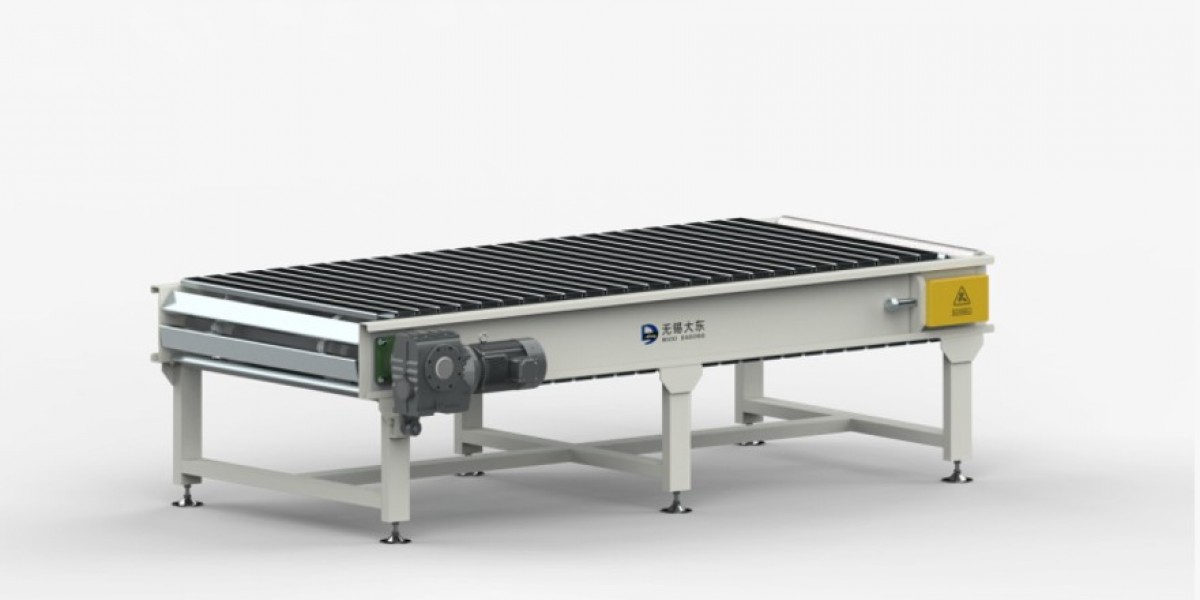
Both configurations use a plastic chain-plate conveyor, with a conveying speed of 220 mm/s and rated power of 1.5 kW. The specified power supply is 380 V/50 Hz.
These specifications offer a useful starting point for comparing the two models. Before purchasing, manufacturers should also verify battery positioning, product changeover requirements, and whether the available working stations suit their production arrangements.
4. Production Line Compatibility and Installation Conditions
An acid filling machine needs to work in coordination with other battery manufacturing equipment. Its actual operating efficiency depends not only on its own performance but also on the stability of the upstream and downstream processes.
For example, if the feeding conveyor delivers batteries faster than the filling machine can process them, accumulation may occur before the filling station. If downstream equipment cannot handle the output, the entire production line may experience interruptions.
A pre-installation assessment should cover several areas:
Conveyor coordination: Confirm that battery transfer speed is compatible with the filling machine.
Positioning accuracy: Ensure batteries can be consistently aligned before filling begins.
Acid supply: Check whether replenishment capacity supports the expected operating schedule.
Downstream capacity: Evaluate whether subsequent production processes can handle the machine's output.
Factory conditions: Review available space, utilities, ventilation, and acid spill management arrangements.
Sulfuric acid handling also requires appropriate safety procedures. Buyers should discuss wetted material compatibility, equipment cleaning, maintenance access, and operator protection measures with the supplier before installation.
5. Purchasing Considerations for Wholesale Buyers
When sourcing an Automatic Acid Filling Machine Wholesale solution, manufacturers should prepare detailed production information before requesting quotations.
Battery dimensions, required filling quantities, production targets, and existing conveyor arrangements all influence equipment suitability.
The following points are particularly important:
Model compatibility: Confirm that the machine can accommodate the factory's battery size range and loading arrangements.
Filling accuracy: Clarify the meaning of the stated ±1%FS specification and how filling performance is tested.
Production capacity: Compare the rated output with the actual operating speed of the complete production line.
Utility requirements: The listed compressed air requirement for both models is 0.6–0.7 MPa at 0.05 m³/min. Confirm that the factory can provide the required supply.
After-sales support: Discuss installation guidance, operator training, maintenance procedures, spare parts availability, and technical assistance.
Evaluating these factors together provides a more realistic picture of equipment value than comparing purchase prices alone.
6. Nexa Battery Technology and Battery Manufacturing Equipment
Nexa Battery Technology supplies equipment for lead-acid battery manufacturing, covering processes such as acid filling, inter-cell welding, terminal welding, heat sealing, and battery testing.
Its automatic acid filling machine range includes the NST-FS1 and NST-FM1 configurations, which are listed for applications involving VRLA batteries, automotive starting batteries, motorcycle batteries, UPS power supplies, and electric bicycle batteries.
With computer-controlled operation, adjustable filling parameters, automatic acid replenishment, and low-level alarms, these machines are designed to address common requirements in automated electrolyte filling.
Manufacturers evaluating automatic battery acid filling equipment can provide Nexa Battery Technology with their battery dimensions, target production capacity, filling requirements, and factory layout information to discuss suitable equipment configurations.
Conclusion
Electrolyte filling is a key operation in lead-acid battery manufacturing, and process consistency becomes increasingly important as production volumes grow. Automated filling equipment can help reduce repetitive manual work and establish more standardized operating procedures.
Before investing in an Automatic Acid Filling Machine, manufacturers should assess filling accuracy, battery compatibility, output requirements, utility conditions, and production line integration. A configuration selected around actual factory requirements is more likely to support stable operation and long-term production efficiency.