
In industries such as fertilizer manufacturing, chemical processing, grain handling, and building materials production, moving filled bulk bags is an important part of the material handling process. Flexible Intermediate Bulk Containers (FIBCs) are widely used to transport powders, granules, and other bulk materials. Once filled, these bags can become extremely heavy, placing considerable demands on the equipment used to transfer them.
For facilities handling large quantities of bagged materials, inefficient transportation can affect production continuity, increase labor requirements, and create additional safety concerns. Selecting an appropriate chain plate conveyor is one way to improve the movement of heavy FIBC bags between different workstations.
1. Understanding the Challenges of FIBC Bag Transportation
Forklifts are commonly used to move filled bulk bags around warehouses and production facilities. However, relying entirely on forklifts can become inefficient when bags need to be transferred repeatedly between packaging lines, temporary storage areas, and material feeding stations.
Frequent forklift operations may also cause traffic congestion, particularly in facilities with limited working space or continuous production schedules. Additional handling increases the possibility of bag damage, unstable loads, and delays during material transfer.
Another challenge is equipment durability. Standard conveyors designed for cartons or relatively lightweight products may not be suitable for transporting heavy FIBC bags. Repeated exposure to concentrated loads can place excessive stress on the conveyor frame, chains, and drive components.
For this reason, industrial conveying equipment should be evaluated according to the actual weight, dimensions, and handling conditions of the bags.
2. Key Structural Factors for Heavy-Duty Conveying
Load capacity is one of the most important considerations when selecting a heavy-duty chain plate conveyor. Buyers should identify the maximum loaded weight of each FIBC bag rather than relying only on average operating loads.
The conveyor structure must provide sufficient support throughout the transportation process. Several components influence its ability to handle heavy materials:
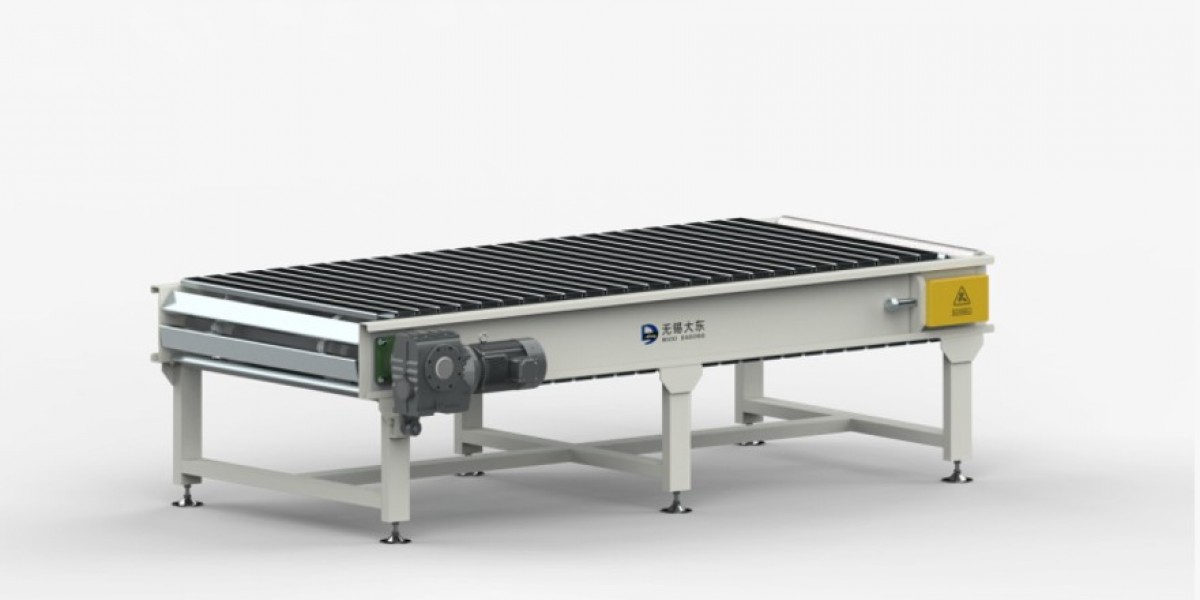
Chain configuration: The chain type and specifications should match the required load and operating frequency.
Slat construction: Plate thickness, material strength, and surface dimensions affect load distribution and structural stability.
Drive system: Motor and transmission capacity must support the required conveying speed and working conditions.
Frame design: Support spacing and overall structural strength help prevent excessive deformation under load.
The loading process also deserves attention. A bag placed gently onto the conveyor creates different mechanical demands from one dropped or transferred from lifting equipment. Impact forces should therefore be considered during the equipment design stage.
Rigid metal slats can provide a stable conveying surface for heavy bulk bags, while suitable side guides and positioning components help reduce unwanted movement along the conveying route.
3. Selecting Materials for Different Industrial Environments
The operating environment can have a significant influence on conveyor service life. Fertilizer plants, grain processing facilities, and chemical factories may expose equipment to dust, moisture, corrosive substances, and fluctuating temperatures.
Choosing suitable structural materials and protective components helps reduce premature wear. Carbon steel is commonly considered for general industrial applications, while stainless steel may be more appropriate where corrosion resistance or particular cleaning requirements are involved.
Dust accumulation is another factor that should not be overlooked. Fine particles can enter moving components and affect chains, sprockets, bearings, and other mechanical parts. Depending on site conditions, protective covers and appropriate equipment layouts can help reduce exposure.
Maintenance planning should also reflect the working environment. Regular checks of chain tension, lubrication, bearing condition, and drive components can help identify potential problems before they interrupt production.
When discussing a customized chain plate conveyor, manufacturers should provide information about operating temperature, dust levels, moisture exposure, cleaning methods, and daily operating hours.
4. Integrating the Conveyor into Existing Material Handling Systems
A heavy-duty conveyor rarely operates as an isolated machine. In most industrial facilities, FIBC bags move through several stages, including weighing, packaging, temporary storage, material feeding, and palletizing.
If the conveyor is not properly matched to the surrounding equipment, transfer points can become bottlenecks. For example, excessive conveying speed may cause bags to accumulate at the receiving end, while insufficient speed can limit the throughput of downstream equipment.
Installation dimensions are equally important. Conveyor height, loading and unloading positions, transfer direction, and available floor space should be confirmed before manufacturing begins.
For production lines with changing operating requirements, a variable-frequency drive (VFD) can provide greater flexibility in speed adjustment. Control system integration can also help coordinate conveyor operation with upstream and downstream machinery.
A complete review of the material handling route is therefore essential when planning an automated FIBC conveying system.
5. What to Consider When Purchasing a Chain Plate Conveyor
Selecting a supplier involves more than comparing quotations. Buyers should evaluate whether the proposed equipment configuration is suitable for their actual production requirements.
Before requesting a quotation, it is useful to prepare the following information:
Maximum gross weight and dimensions of the filled FIBC bags
Required conveying distance and direction
Conveyor installation height and any elevation changes
Expected conveying speed and operating frequency
Site conditions, including dust, moisture, and temperature
Loading and unloading methods
Available installation space and connection requirements
These details allow suppliers to assess structural requirements and recommend a more appropriate configuration. They also make it easier for procurement teams to compare technical proposals on a consistent basis.
Dadong Machinery provides chain plate conveyor solutions for heavy material transportation, with customizable options involving load requirements, slat width, conveying speed, and material selection. Its equipment can be considered for applications in chemical and fertilizer production, grain and feed processing, construction materials handling, and warehouse logistics.
For companies evaluating chain plate conveyor wholesale options, communicating the actual operating conditions is an important step toward obtaining suitable equipment rather than simply choosing a standard configuration.
Conclusion
Efficient FIBC transportation depends on more than the conveyor's rated capacity. Structural strength, load distribution, environmental conditions, loading methods, and integration with existing production equipment all influence long-term performance.
By assessing these factors before purchasing, manufacturers can reduce unnecessary material handling, improve transfer stability, and support more consistent production operations. A properly configured industrial chain plate conveyor can become a valuable part of a reliable bulk bag handling system.
https://www.wuxidadong.com/how-to-build-a-more-reliable-bulk-bag-handling-line.html