
Transparent materials are increasingly used in modern buildings, industrial facilities, and equipment manufacturing. They allow light to pass through while providing physical separation and protection. However, selecting a suitable transparent panel requires more than checking its appearance or basic impact resistance.
Different projects place different demands on material performance. Outdoor installations must withstand sunlight and changing weather conditions, while industrial applications may involve frequent cleaning, mechanical contact, or exposure to chemicals. An unsuitable material specification can result in scratches, discoloration, deformation, and higher replacement costs.
For project contractors, fabricators, and material distributors, understanding the differences between polycarbonate grades is essential to making a reliable purchasing decision.
1. Understanding the Application Before Selecting a Material
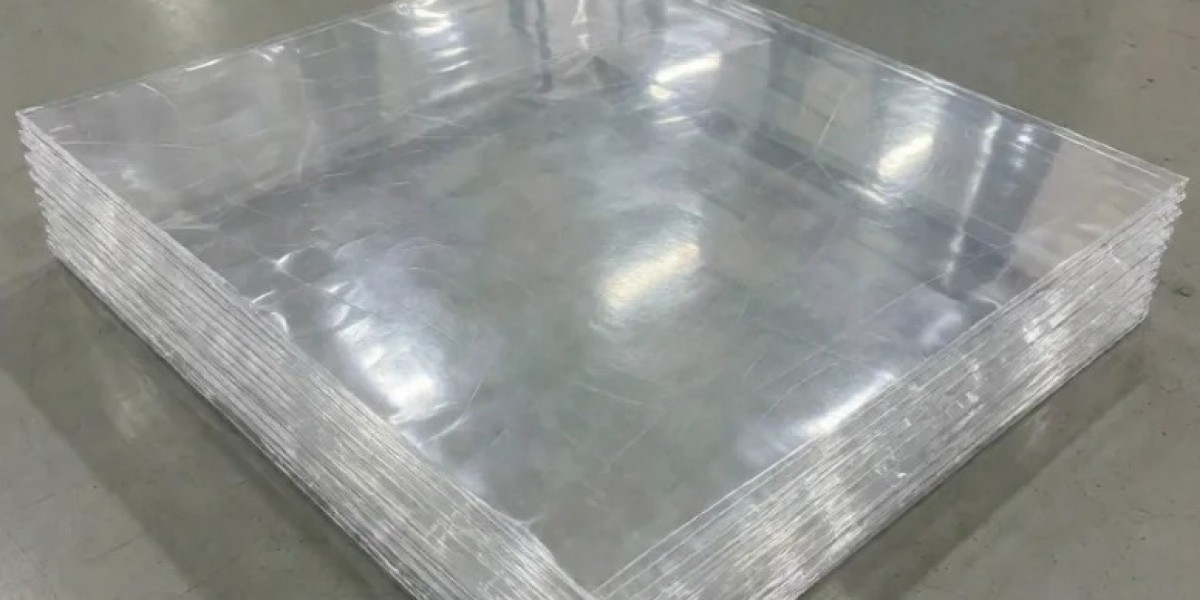
Polycarbonate solid sheet is commonly selected for applications requiring transparency, impact resistance, and relatively lightweight construction. Typical uses include machine protection covers, safety barriers, equipment enclosures, skylights, partitions, and architectural glazing components.
However, the performance requirements vary depending on the working environment.
In manufacturing facilities, protective panels may need to withstand vibration, accidental impact, and contact with cleaning agents or industrial lubricants. Outdoor structures face prolonged UV exposure, rainfall, temperature fluctuations, and wind loads. Electrical equipment enclosures may have additional requirements for flame retardancy or static control.
Before purchasing, buyers should identify several key conditions:
Environmental exposure: Indoor or outdoor installation, UV exposure, moisture, and temperature changes.
Mechanical requirements: Expected impact, panel dimensions, support spacing, and structural loads.
Optical performance: Transparency, light transmission, and visual clarity.
Special functions: Anti-scratch, anti-static, UV-resistant, or flame-retardant properties.
Installation conditions: Fixing methods, frame design, sealing materials, and fabrication requirements.
Defining these requirements first makes it easier to identify an appropriate material grade.
2. Four Selection Issues That Buyers Should Not Overlook
Different Functional Grades Serve Different Purposes
Not all polycarbonate solid sheets offer the same surface characteristics or functional performance. Standard grades may be sufficient for general protective applications, but more demanding environments can require specialized materials.
For example, anti-scratch sheets are worth considering where panels experience repeated handling or cleaning. UV-resistant options are more suitable for outdoor exposure, while anti-static grades may be required in applications where controlling static electricity is important.
Buyers should request technical specifications and supporting performance documentation rather than relying solely on product descriptions.
Sheet Thickness Must Match the Overall Structure
Thickness is an important factor in determining panel stiffness, but it does not independently guarantee structural performance. The sheet's width, length, unsupported span, fixing positions, and frame construction all influence how it behaves under load.
For large protective covers or architectural installations, the supporting structure should be evaluated together with the selected sheet. An unsuitable frame or poorly positioned fixing points may cause excessive deflection or localized stress, even when a relatively thick panel is used.
A complete design assessment is therefore more reliable than choosing thickness based on price or appearance alone.
Thermal Expansion Needs Proper Installation Planning
Polycarbonate expands and contracts when temperatures change. This characteristic is particularly important for outdoor panels exposed to direct sunlight and significant daily temperature variations.
If the installation does not provide sufficient expansion clearance, stress may accumulate around screw holes, joints, and frame connections. Over time, this can contribute to distortion, cracking, or loose fittings.
Installers should follow the manufacturer's recommendations for hole dimensions, expansion gaps, edge support, fastening methods, and compatible sealing materials. Proper installation is essential to maintaining long-term performance.
Surface Durability Also Depends on Maintenance
High impact resistance should not be confused with high scratch resistance. Even a durable polycarbonate panel can suffer surface damage if cleaned with abrasive materials or incompatible chemicals.
Where appearance and surface clarity are important, buyers should consider whether a hard-coated or specially treated sheet is necessary. Establishing suitable cleaning and maintenance procedures can also help preserve the panel's appearance throughout its service life.
3. Why Polycarbonate Requirements Are Becoming More Specialized
The growing use of lightweight transparent materials in construction, industrial manufacturing, transportation, and electronic equipment has increased demand for application-specific polycarbonate products.
Architectural projects often prioritize daylight transmission, weather resistance, and compatibility with supporting structures. Industrial manufacturers may focus on impact protection, operational visibility, and chemical exposure. Electrical and electronic applications can require additional attention to flame performance and static control.
These different requirements explain why a general-purpose sheet cannot automatically meet every project's needs.
Instead of choosing materials based on a single performance indicator, procurement teams should compare documented properties against the actual operating environment. This approach helps avoid unnecessary material upgrades while reducing the risk of selecting an unsuitable grade.
4. Exploring Polycarbonate Sheet Options from Yubai Technology
For buyers working across multiple applications, access to different material specifications can make sourcing more flexible.
Yubai Technology offers a range of polycarbonate products, including general-purpose PC solid sheets and functional options such as anti-scratch, anti-static, anti-infrared, optical-grade, UV-resistant, and flame-retardant sheets. Its product portfolio also includes hollow and corrugated polycarbonate sheets for other construction and industrial requirements.
When evaluating a supplier, buyers should communicate the intended application, required dimensions, environmental conditions, surface requirements, and processing methods. These details provide a practical basis for discussing suitable material options and comparing technical specifications.
A suitable Polycarbonate Solid Sheet is not necessarily the thickest or most expensive option available. The better choice is the one that meets the project's performance requirements while maintaining a reasonable balance between material cost, fabrication, installation, and maintenance.
Conclusion
Selecting polycarbonate solid sheets requires consideration of more than transparency and impact resistance. Functional grade, thickness, structural support, thermal expansion, and surface protection all influence the performance of the finished installation.
For contractors, fabricators, and distributors, understanding these factors before procurement can reduce specification errors and improve long-term project reliability. Working with an experienced supplier such as Yubai Technology also helps buyers compare available material options and identify products suited to their intended applications.
https://www.yubaikj.com/how-to-specify-polycarbonate-sheets-for-real-world-performance.html