
Railway track systems are exposed to continuous mechanical stress. Passing trains generate repeated wheel loads, vibration and impact forces, while outdoor conditions introduce moisture, temperature changes and potential corrosion. Under these demanding conditions, every component within the track structure contributes to long-term operational reliability.
Rails and sleepers are often the primary focus of railway construction, but fastening assemblies play an equally important role. They help maintain the connection between rails and sleepers, control rail movement and support consistent track geometry. Selecting suitable railway fastening components is therefore essential for both new railway projects and infrastructure maintenance.
For railway contractors, operators and procurement professionals, understanding the performance requirements of Spring Plate Series products can help improve component selection and reduce avoidable maintenance issues.
1. The Role of Spring Fasteners in Track Stability
Railway fasteners do more than hold rails in position. They form a critical connection within the track structure, helping transfer and distribute forces while maintaining the required rail alignment.
During train operation, fastening assemblies are repeatedly exposed to vertical loads, lateral forces and vibration. If their clamping performance deteriorates, rail movement may increase, potentially affecting track gauge and the stability of the rail-sleeper connection.
These issues can become more difficult to manage on heavily used railway lines, where repeated loading places continuous demands on fastening components. For this reason, engineers should assess not only the initial strength of a fastener but also its ability to maintain mechanical performance over an extended service period.
A suitable fastening solution should match the track design, operating conditions and relevant technical specifications.
2. How Material Quality Affects Spring Fastener Durability
Material selection is a major factor in the performance of spring-based railway fastening systems. Spring steel needs to provide an appropriate balance of strength, elasticity and resistance to repeated deformation.
However, choosing a material with high nominal strength does not automatically guarantee reliable service performance. Manufacturing processes and component design also influence the final result.
Several technical characteristics deserve attention:
Elastic recovery: Spring components need to recover their intended shape after loading. Excessive permanent deformation can reduce clamping force and affect fastening stability.
Fatigue performance: Repeated stress cycles may cause cracks to develop, particularly around bends, edges and other stress concentration areas. Material quality, geometry and heat treatment all contribute to fatigue resistance.
Dimensional consistency: Variations in component dimensions can affect installation fit and mechanical behavior. Consistent manufacturing tolerances are important for maintaining uniform performance across track sections.
Corrosion resistance: Exposure to rain, moisture and other environmental conditions may gradually damage metal components. Appropriate material selection and surface protection help address these risks.
When evaluating spring steel railway fasteners, procurement teams should therefore consider the relationship between material properties, manufacturing quality and the actual operating environment.
3. Selecting Fasteners for Wooden Sleeper Applications
Although concrete sleepers are widely used in modern railway construction, wooden sleepers continue to serve conventional railway lines, industrial railways and certain maintenance applications.
Their fastening requirements can differ from those of concrete sleeper systems. The condition of the wood, fastening-hole dimensions and rail-seat structure all influence the suitability of a particular fastening arrangement.
Elastic rail spikes are commonly used to secure flat-bottom rails or associated baseplates to wooden sleepers. Their spring characteristics help provide the required fastening action when matched with the appropriate track configuration.
Lockspikes offer another fastening approach. In lockspike baseplate arrangements, lateral spring action helps secure the baseplate to the sleeper. Selection should take into account the rail section, baseplate design, sleeper condition and relevant engineering requirements.
For railway maintenance teams, replacing a damaged fastener without checking the surrounding sleeper structure may only provide a temporary solution. Enlarged fastening holes, timber deterioration, baseplate movement and damaged rail seats should also be examined during inspections.
4. Improving Maintenance Efficiency Through Early Inspection
The total cost of railway fastening systems extends beyond the purchase price of individual components. Inspection labor, replacement work, track access arrangements and service interruptions can all influence long-term maintenance expenditure.
A structured inspection program helps maintenance teams identify deterioration before it develops into a more serious track problem.
Common warning signs include:
Cracks, bending or permanent deformation in spring components.
Reduced clamping force or abnormal rail movement.
Corrosion, surface damage or inconsistent component dimensions.
Loose baseplates or damage around sleeper fastening holes.
Repeated fastening failures within the same track section.
Inspection frequency and acceptance criteria should be established according to traffic conditions, infrastructure requirements and applicable railway standards. Components showing cracks, unacceptable deformation or insufficient mechanical performance should be evaluated for replacement.
It is also important to record replacement history and identify recurring defects. Batch traceability and consistent supplier quality control can help maintenance teams investigate whether repeated problems are related to material quality, manufacturing variations or installation conditions.
5. Evaluating a Spring Plate Series Manufacturer
For railway infrastructure projects, selecting a fastening supplier requires more than comparing product prices and catalogue specifications. Buyers should examine whether the manufacturer can consistently meet the project's technical and delivery requirements.
Important evaluation points include:
Material specifications and supporting documentation.
Dimensional tolerances and product consistency.
Mechanical testing and quality inspection records.
Compatibility with the specified rail and sleeper systems.
Manufacturing capabilities for customized components.
Experience supplying products for railway construction and maintenance projects.
Customized production can be particularly important in railway rehabilitation work, where existing infrastructure may use specific fastening configurations. The ability to manufacture components according to engineering drawings or physical samples can help address these requirements.
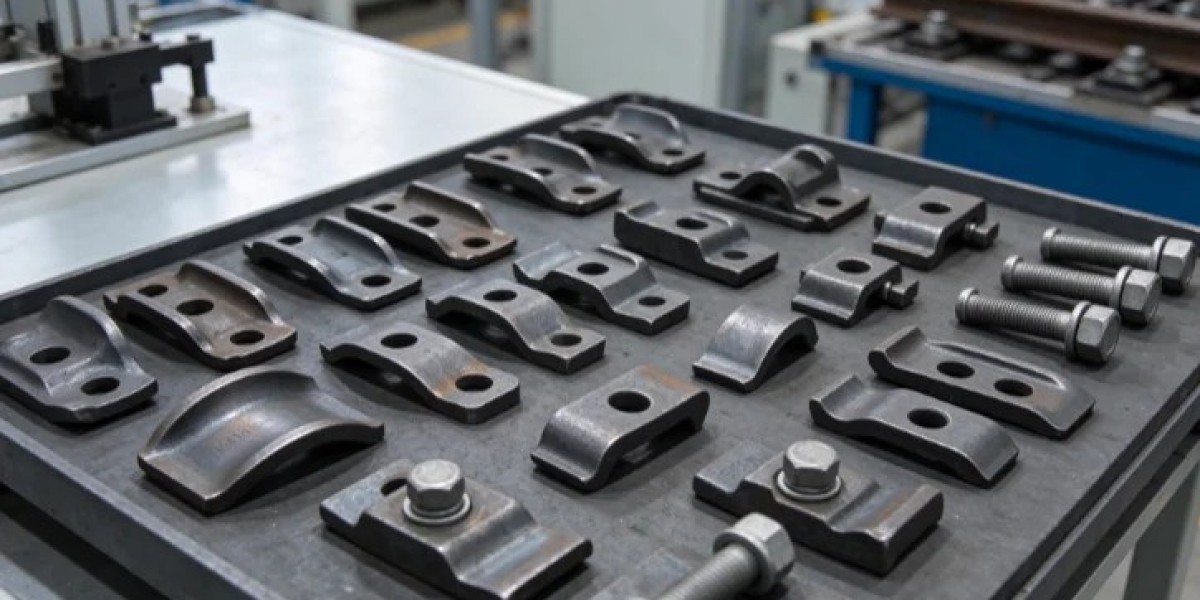
HuiBo Railway supplies a range of railway fastening components, including elastic rail spikes, spring blade products, rail clips, tie plates, bolts and other fastening accessories. With more than 20 years of experience in railway fastener production, the company supports both standard products and customized manufacturing based on customer drawings or samples.
For procurement teams managing multiple component requirements, working with an experienced manufacturer can help improve product coordination and maintain consistency throughout the supply process.
6. Making Fastener Selection Part of Long-Term Track Planning
Reliable railway infrastructure depends on the combined performance of rails, sleepers, fastening assemblies and supporting structures. Even relatively small fastening components can influence track alignment, maintenance workload and overall operational stability.
When choosing Spring Plate Series railway fastening components, engineers and buyers should look beyond initial cost and consider material suitability, elastic recovery, fatigue resistance, dimensional accuracy and compatibility with the complete track system.
A well-matched fastening solution, supported by appropriate inspection and quality management, can help reduce recurring maintenance problems and maintain more consistent track performance. For railway construction and rehabilitation projects alike, careful fastener selection is an important part of long-term infrastructure planning.