
Color fastness is one of the most important quality indicators in textile manufacturing. During daily use, fabrics are exposed to friction from clothing, accessories, upholstery, and other surfaces. If dyes transfer easily under dry or wet rubbing conditions, the material may fail quality inspections or lead to customer complaints.
For textile manufacturers, garment suppliers, and independent testing laboratories, evaluating rubbing color fastness is therefore an essential part of product quality control. International methods such as ISO 105-X12, AATCC 8, and JIS L0849 provide standardized procedures for assessing color transfer caused by friction.
As production volumes increase and quality requirements become more demanding, manual testing methods may no longer provide the consistency required by modern laboratories. A Fully Automatic Friction Color Fastness Tester offers a more controlled approach by reducing variations in test operation and improving the repeatability of testing procedures.
For laboratories and textile manufacturers considering equipment upgrades, selecting a reliable testing instrument supplier is an important step toward more efficient quality management.
1. Why Manual Crockmeter Testing Can Affect Result Consistency
Traditional crockmeter testing requires technicians to operate the instrument manually, usually by moving a rubbing finger or test head across the specimen. Although this method can be suitable for certain testing environments, operator-dependent procedures may introduce variations when large numbers of samples need to be evaluated.
Several factors can influence the reliability of manual rubbing tests.
Inconsistent applied pressure
Maintaining the required downward force throughout repeated testing can be difficult when the operator controls the movement manually. Differences in applied pressure may affect the amount of dye transferred to the rubbing cloth and consequently influence the assessment results.
Variations in rubbing speed
The speed and consistency of the rubbing movement are important testing parameters. Changes in manual operating speed can produce differences between test cycles, making it more difficult to compare samples accurately.
Operator fatigue and workload
High-volume textile laboratories often conduct repetitive tests throughout the working day. Repeated manual operation can increase technician workload and make consistent execution more difficult over extended periods.
These challenges do not mean that manual testing is inherently unsuitable. However, laboratories handling frequent inspections or requiring standardized testing procedures may benefit from automated equipment that controls key operating parameters more consistently.
2. Key Technical Features of an Automated Friction Color Fastness Tester
When evaluating an automated crockmeter, buyers should look beyond the presence of a motorized rubbing mechanism. The instrument should provide stable movement, controlled test conditions, and convenient operation.
Controlled reciprocating movement
A reliable drive system helps maintain consistent rubbing movement throughout the test stroke. Servo motor technology, where provided, can offer precise motion control and help reduce variations associated with manual operation.
Stable movement is particularly important when laboratories perform repeated tests across different fabric types and production batches.
Accurate load application
The applied load is another critical factor in rubbing color fastness evaluation. Different test methods and configurations may specify different test conditions, so the instrument should support the required loading arrangement.
Automated load monitoring or digital load control can make it easier for technicians to verify test settings and reduce errors caused by improper manual adjustments. Buyers should confirm the available load range and calibration requirements against the applicable testing standard.
Digital operation and test management
A touchscreen control interface can simplify daily operation by allowing users to configure test parameters, set rubbing cycle counts, and monitor testing progress.
For laboratories processing multiple samples, convenient parameter management can also improve workflow organization. Where data export or LIMS integration is required, users should verify the actual software functions and supported interfaces before purchasing.
3. NINGFANG Testing Equipment for Textile Quality Inspection
Selecting a suitable equipment manufacturer is important for laboratories that depend on reliable testing results and continuous operation.
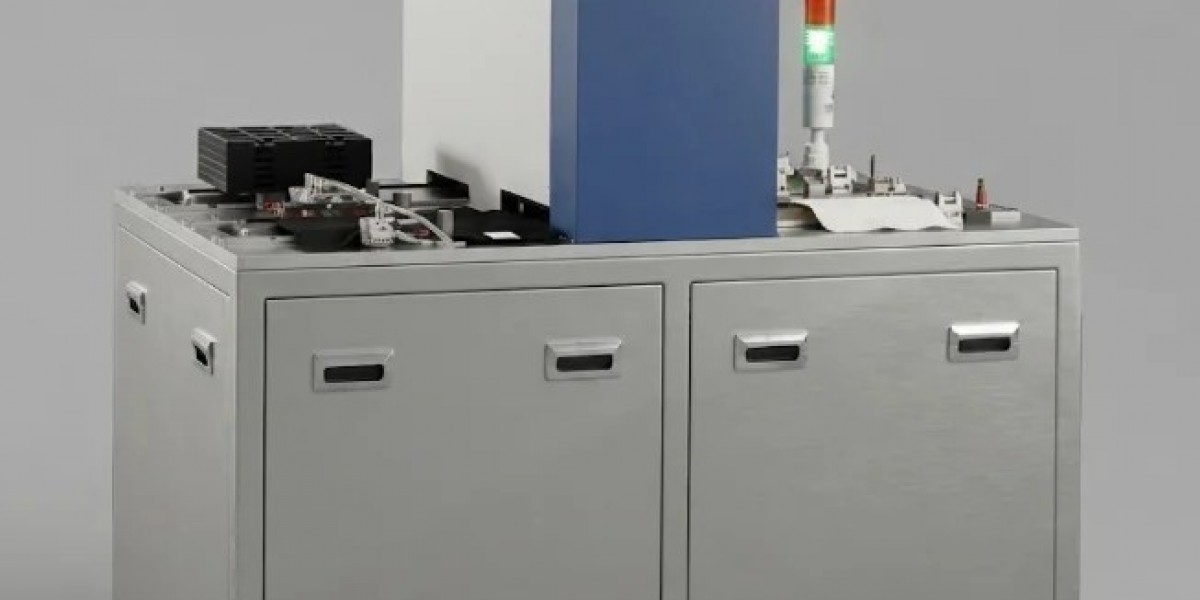
NINGFANG provides textile testing equipment designed for quality inspection applications across the textile and related industries. Its fully automatic friction color fastness tester is intended to support controlled rubbing tests and help laboratories improve the consistency of their testing workflows.
Mechanical stability is an important consideration in this type of instrument. A rigid equipment structure and stable base help reduce unwanted vibration during reciprocating movement, supporting consistent operation.
Sample positioning is equally important. A practical clamping arrangement allows technicians to secure woven fabrics, knitted materials, and non-woven specimens before testing. Convenient sample fixation can reduce preparation time and help laboratories manage a higher volume of routine inspections.
For manufacturers evaluating NINGFANG equipment, it is advisable to review the specific model configuration, test parameters, fixture design, and applicable standards to ensure that the instrument matches their actual laboratory requirements.
4. Features That Help Improve Laboratory Productivity
Beyond basic rubbing performance, several equipment functions can influence the efficiency of textile testing laboratories.
Flexible test configurations
Different textile materials and testing applications may require different rubbing head arrangements. Interchangeable fixtures or finger configurations can provide greater flexibility when testing a range of fabrics and finished products.
For example, circular rubbing fingers are commonly associated with standard crockmeter testing, while certain specialized applications may require alternative fixtures. Laboratories should confirm fixture dimensions and compatibility with the relevant test method before selecting an instrument.
Automatic stop and protection functions
Equipment protection is another consideration in automated testing. Functions such as overload protection and automatic stopping can help prevent continued operation when abnormal conditions occur.
These features can reduce the risk of unnecessary mechanical stress and support safer equipment operation. The available protection functions should be checked against the manufacturer's technical documentation.
Testing records and traceability
Accurate documentation is essential for laboratories managing internal quality control and external customer inspections. Recording test conditions, sample identification, and evaluation results helps maintain traceability between production batches.
For laboratories working toward ISO/IEC 17025 accreditation, equipment suitability, calibration, maintenance, and documented testing procedures are particularly important. Automated operation can support process consistency, but it does not independently guarantee accreditation or replace the laboratory's quality management requirements.
5. What Should Buyers Consider Before Purchasing?
Choosing a Fully Automatic Friction Color Fastness Tester requires an understanding of both testing standards and daily laboratory workloads.
Before purchasing, buyers should evaluate the following factors:
Applicable standards: Confirm whether the instrument supports the required procedures under ISO 105-X12, AATCC 8, JIS L0849, or other relevant methods.
Test load and movement: Check the specified rubbing force, stroke length, speed, and cycle settings.
Sample compatibility: Consider whether the equipment can accommodate the fabric types and specimen dimensions commonly tested in the laboratory.
Fixture options: Verify the available rubbing fingers, rubbing cloth holders, and other accessories required for different applications.
Calibration and maintenance: Review calibration procedures, maintenance intervals, and the availability of technical support.
Data management: Determine whether the instrument provides digital records, data export, or integration options suitable for the laboratory's workflow.
A reliable supplier should be able to provide clear technical specifications and explain how the equipment configuration corresponds to the customer's testing requirements.
Conclusion
Consistent rubbing color fastness evaluation is essential for maintaining textile quality and meeting international testing requirements. As laboratories handle increasing sample volumes and more demanding inspection procedures, automated equipment can help reduce operator-related variations and improve testing efficiency.
A Fully Automatic Friction Color Fastness Tester combines controlled reciprocating movement, appropriate load application, and convenient digital operation to support more standardized laboratory workflows.
With its textile testing equipment portfolio, NINGFANG provides options for laboratories and manufacturers looking to improve their quality inspection capabilities. By carefully evaluating testing standards, equipment specifications, sample compatibility, and technical support, buyers can make a more informed investment in reliable textile testing equipment.