
Steam plays an important role in many industrial processes, including food production, pharmaceutical manufacturing, laboratory operations, and equipment cleaning. In these environments, maintaining a stable steam supply is essential for process consistency, equipment performance, and production efficiency.
However, selecting an industrial steam generator involves more than determining the required heating capacity. Material construction, operating pressure, water quality, electrical requirements, and automatic control functions all influence long-term performance.
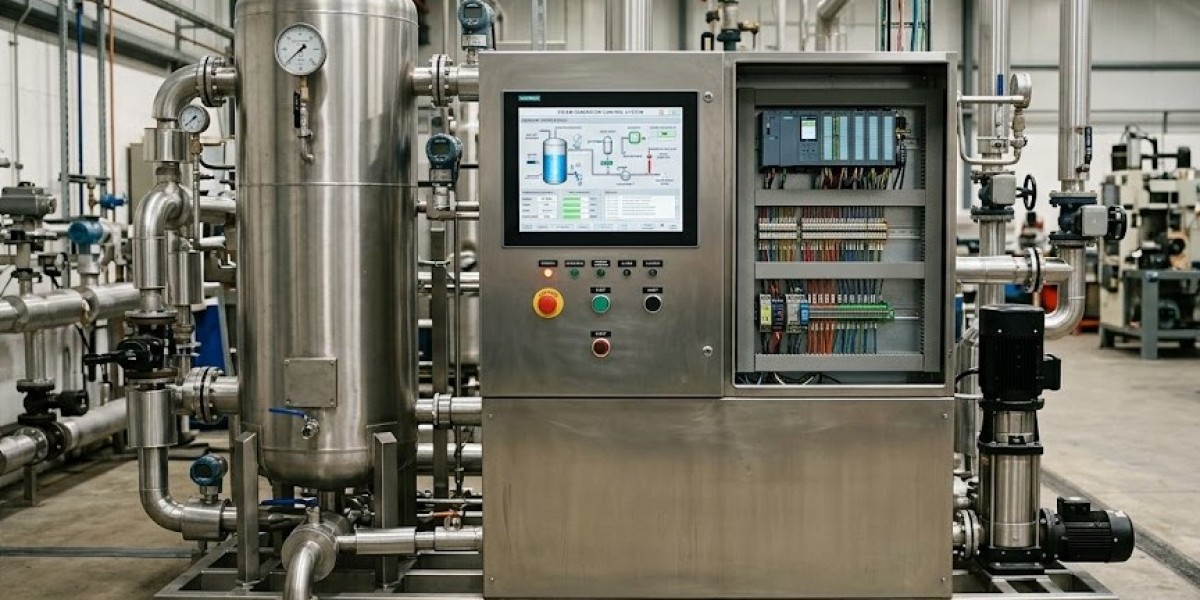
For facilities looking for electrically powered steam equipment, Stainless Steel Electric Steam Generators offer an option that combines electric heating with corrosion-resistant construction. Compared with fuel-fired boilers, electric models do not require on-site fuel combustion within the generator. Nevertheless, their overall energy costs and environmental impact depend on electricity sources, local energy prices, and operating conditions.
Understanding these factors can help industrial buyers choose equipment that better matches their production requirements.
1. Why Stainless Steel Construction Is Important for Steam Equipment
Steam generators operate under repeated heating and pressure cycles. Their internal components may also be exposed to water, dissolved minerals, and cleaning agents. If materials are not properly selected, corrosion, scaling, and component deterioration can affect equipment reliability.
Stainless steel is widely used in industrial steam equipment because of its corrosion resistance, mechanical properties, and suitability for different manufacturing environments.
For electric steam generators, the material used in the outer shell, heating chamber, pipes, and valves should be considered separately. Components that come into direct contact with water or steam may face different operating conditions from external structural parts.
It is also important to recognize that stainless steel construction does not eliminate all maintenance requirements. Feedwater quality, operating temperature, surface treatment, welding quality, and regular inspection remain essential to maintaining equipment condition.
2. Comparing 304 and 316L Stainless Steel
Among commonly used stainless steel grades, 304 and 316L are frequently considered for industrial equipment. Although they share several characteristics, their corrosion resistance differs in certain environments.
304 stainless steel offers good general corrosion resistance and is widely used in industrial equipment, water-handling components, and standard steam-generation applications. It also provides practical fabrication and processing characteristics, making it a common material choice for equipment operating under relatively moderate corrosion conditions.
316L stainless steel contains molybdenum and has a lower carbon content than standard 316 stainless steel. The addition of molybdenum improves its resistance to certain corrosive environments, particularly those involving chloride-related pitting. Its lower carbon content also helps reduce the risk of sensitization during welding.
For facilities with more demanding material requirements, 316L may be worth considering. However, the final selection should reflect actual water chemistry, cleaning procedures, operating conditions, and applicable industry requirements.
According to its product information, Nobeth Group offers electric steam boiler models ranging from 6 to 72 kW, with 304 or 316L stainless steel used in the outer shell, furnace, and steam- and water-contacting pipes and valves.
This material flexibility allows buyers to evaluate different configurations according to their application needs. Proper water treatment and equipment maintenance are still necessary regardless of the stainless steel grade selected.
3. Electric Heating and Steam Generation Performance
The performance of an electric steam generator depends on its ability to convert electrical energy into heat and maintain the required steam output under changing operating conditions.
Electric heating elements provide a direct method of heat generation. Compared with combustion-based systems, electric models avoid the need for an on-site fuel-burning process and related combustion equipment. They can be particularly suitable for facilities with sufficient electrical capacity and a preference for electrically controlled heating.
Nobeth's listed 304/316L stainless steel electric steam boiler range covers power ratings from 6 to 72 kW, with rated steam production of approximately 8–100 kg/h and a listed working pressure of 0.7 MPa. Actual output varies according to the selected model and operating conditions.
Automatic control functions can help regulate water supply, heating operation, and steam generation. Nobeth also highlights a water-and-electricity separation design intended to support stable equipment operation.
When evaluating these specifications, buyers should consider several practical questions:
Does the rated steam output meet the process's peak demand?
Can the available electrical supply support the equipment's rated power?
Is the working pressure suitable for the connected production equipment?
Can the control system respond appropriately to changes in steam consumption?
Will the generator operate continuously or only during specific production periods?
Choosing a model that is too small may result in insufficient steam supply, while excessive capacity can increase initial investment and electrical infrastructure requirements. Accurate demand assessment is therefore essential.
4. Industrial Applications Across Different Sectors
Stainless steel electric steam generators can be used in various industries, but the required steam quality and equipment configuration depend on the specific process.
Food Processing
Steam is commonly used for cooking, heating, blanching, cleaning, and other thermal operations. In applications where steam comes into direct contact with food, manufacturers need to evaluate feedwater quality, steam purity, and relevant food safety requirements. Standard industrial steam should not automatically be considered food-grade steam.
Pharmaceutical Manufacturing
Pharmaceutical facilities use steam for equipment heating, cleaning, and certain sterilization-related processes. Applications requiring clean or pure steam have additional material, water quality, and validation requirements. A conventional stainless steel electric steam generator may not be suitable for every pharmaceutical process.
Laboratories and Research Facilities
Laboratories often require controlled heating conditions for experimental equipment and process operations. A suitable electric steam generator can provide a convenient heat source where stable pressure, appropriate capacity, and reliable automatic controls are important.
Nobeth Group provides standard electric steam equipment as well as dedicated clean-steam solutions. Buyers should distinguish between these product categories and select equipment according to the required steam quality, process conditions, and applicable standards.
5. Key Considerations Before Selecting an Electric Steam Generator
A suitable steam generator should be selected according to the complete operating environment rather than one or two technical specifications.
Steam production capacity: Calculate both average and peak steam consumption. Consider whether multiple processes will operate simultaneously and whether demand changes throughout the production cycle.
Working pressure: Confirm that the rated pressure is compatible with downstream equipment and process requirements. The pressure rating should be evaluated alongside the actual operating pressure.
Electrical infrastructure: Check the available voltage, phase configuration, power capacity, wiring, and installation conditions. Electrical requirements can influence project costs and installation planning.
Feedwater quality: Water containing excessive minerals can contribute to scale formation and reduced heat transfer efficiency. Appropriate water treatment and regular inspection help protect heating elements and internal components.
Safety and control functions: Review model-specific protections, including water-level monitoring, pressure controls, alarms, and other safety devices. Buyers should request detailed technical documentation rather than assume all models provide identical functions.
Maintenance and servicing: Consider access for cleaning, inspection, component replacement, and routine maintenance. A clear maintenance plan helps reduce unexpected interruptions during production.
Working with an experienced steam equipment supplier can also make the selection process more efficient. Detailed model specifications and application guidance help buyers compare material grades, capacity, pressure, and available configurations before making a purchasing decision.
Conclusion
Choosing a suitable stainless steel electric steam generator requires a balance between material performance, steam output, operating pressure, and application requirements. While 304 and 316L stainless steel provide different levels of corrosion resistance, neither material can replace proper water treatment, equipment maintenance, and process-specific design.
Nobeth Group offers 304/316L stainless steel electric steam boiler options in a 6–72 kW range, alongside other steam-generation equipment and dedicated clean-steam solutions. By evaluating actual steam demand, electrical infrastructure, and required steam quality, industrial users can select equipment that supports reliable operation and long-term production needs.