
Professional audio systems are becoming increasingly diverse. Live performances, conference rooms, educational institutions, entertainment venues, and houses of worship all require reliable sound equipment, but their operating environments and technical requirements can vary considerably. For distributors, wholesalers, and system integrators, selecting the right equipment is therefore more challenging than simply comparing prices or counting input channels.
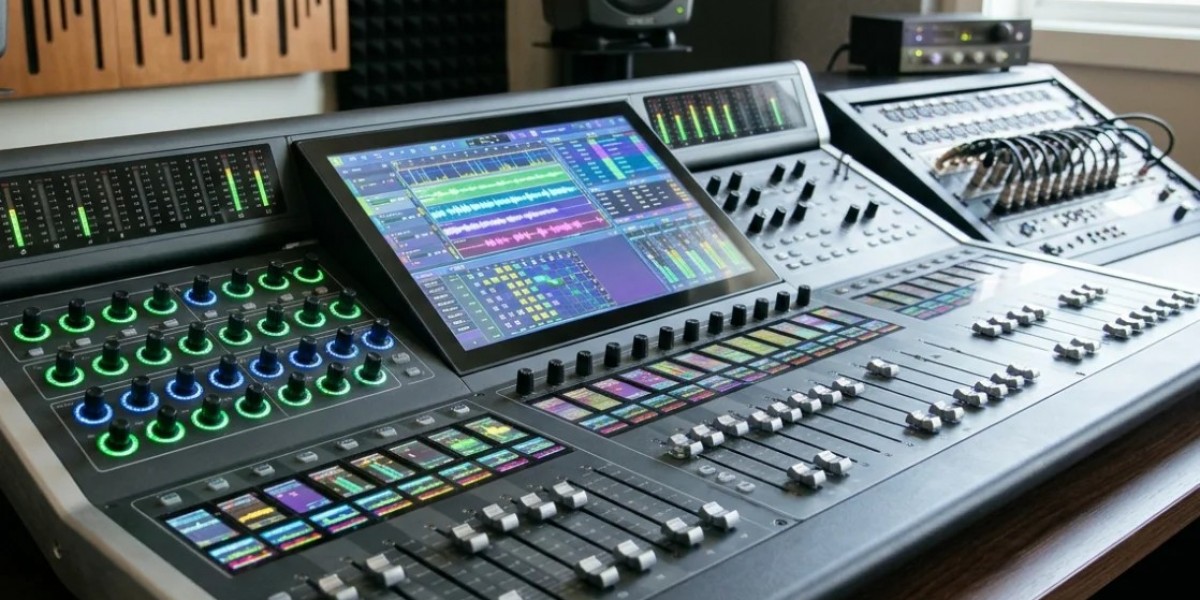
At the center of many professional sound systems is the digital mixing console. It manages multiple audio sources, processes incoming signals, and distributes sound to different outputs. Its capabilities directly influence system flexibility, sound quality, and operational efficiency.
For businesses sourcing equipment in this competitive market, choosing a dependable audio mixing console distributor is an important part of building a sustainable supply chain. The right partner should offer suitable product configurations, clear technical documentation, and support for different installation requirements.
1. Matching Digital Mixing Consoles to Different Applications
Not every audio project requires the same mixing capabilities. A console designed for a live music venue may not be the most practical choice for a corporate meeting room or a school auditorium.
Live performance environments often involve multiple microphones, musical instruments, stage monitors, and front-of-house outputs. Sound engineers may need flexible auxiliary buses, built-in effects, and scene management to accommodate different performers and event configurations.
Conference centers have different priorities. Clear speech reproduction, straightforward operation, and consistent audio levels are often more important than extensive creative processing functions. In educational facilities and multifunction halls, equipment may also need to support operators with different levels of technical experience.
For distributors, understanding these differences helps prevent unsuitable product recommendations. Instead of focusing exclusively on channel capacity, buyers should evaluate the entire application, including the number of input sources, output destinations, monitoring requirements, and expected operating conditions.
A professional audio mixing console distributor should be able to help customers identify the appropriate configuration before procurement, reducing the risk of unnecessary upgrades or equipment limitations after installation.
2. Evaluating Digital Mixing Functions Beyond Input Channels
The number of input channels is an important specification, but it does not fully determine a console's practical value. Signal routing, processing functions, and output flexibility can have an equally significant impact on system performance.
Mix buses and signal routing
Mix buses allow engineers to send different audio signals to stage monitors, recording equipment, broadcast systems, and other destinations. Matrix outputs can also support more complex loudspeaker distribution arrangements. When evaluating a digital mixing console, buyers should confirm that its bus structure matches the intended application.
Built-in audio processing
Common digital processing functions include parametric EQ, high-pass filters, noise gates, compressors, and graphic equalizers. These tools help sound engineers manage microphone characteristics, control dynamic range, and adapt audio signals to different acoustic environments.
Some consoles also provide real-time analysis tools that assist with system adjustment. However, these functions should be considered part of a broader sound-tuning process rather than a substitute for proper acoustic measurement.
Scene storage and recall
For venues hosting different events throughout the week, saving and recalling console settings can significantly simplify operation. Engineers can prepare configurations for concerts, presentations, rehearsals, and other activities, reducing repetitive setup work and helping maintain consistent workflows.
Remote control capabilities
Remote operation allows technicians to adjust mixing parameters from different locations within a venue. This can be particularly useful during sound checks, stage monitoring, and system setup. Buyers should verify supported control methods, network requirements, and software compatibility before selecting a model.
3. Checking Connectivity and Integration Before Purchasing
A digital mixing console is usually one component of a larger professional audio system. It may need to communicate with digital stage boxes, power amplifiers, loudspeaker management processors, wireless microphone receivers, recording devices, and other equipment.
Compatibility should therefore be checked during the planning stage rather than after installation.
Several technical details deserve attention:
Input and output connections: Confirm the number and type of physical connections required for microphones, instruments, playback devices, and external equipment.
Digital audio interfaces: Check which digital transmission protocols are supported and whether additional interface cards or expansion modules are needed.
Network configuration: Understand the console's remote-control options, network connection requirements, and supported software.
Expansion flexibility: Consider whether the system can accommodate additional stage inputs, output channels, or other equipment as project requirements develop.
Firmware and software support: Verify that connected devices and control applications can operate with the selected console configuration.
A supplier with professional audio experience can help clarify these technical requirements and identify potential integration issues before an order is finalized. This is particularly valuable for system integrators handling projects with equipment from multiple manufacturers.
4. What Distributors Should Look for in a Professional Audio Supplier
Product performance is only one part of a successful distribution relationship. For wholesalers and regional dealers, supplier reliability also affects inventory planning, project delivery, and customer satisfaction.
When comparing potential suppliers, businesses should consider the following factors.
Product range and configuration options
A supplier offering different console sizes and configurations can help distributors serve a wider customer base. Small installations, medium-sized venues, and larger performance systems may require different input capacities and routing capabilities.
Technical information and documentation
Accurate product specifications, user manuals, connection diagrams, and software resources make it easier for distributors to evaluate products and communicate with customers. Clear documentation also supports installation and troubleshooting.
Procurement and supply arrangements
Consistent communication about product availability, lead times, model configurations, and ordering procedures helps distributors manage purchasing schedules and avoid unnecessary project delays.
Technical and after-sales support
Professional audio equipment may require configuration assistance or troubleshooting during installation and operation. A supplier should provide a clear communication process for handling technical questions and product-related issues.
For an audio mixing console distributor serving multiple markets, these factors are essential to maintaining a dependable product portfolio and building long-term customer relationships.
5. Exploring HMAUDIO Digital Mixing Console Solutions
For businesses sourcing professional digital mixing equipment, HMAUDIO provides a range of digital mixing consoles designed for different audio applications and system configurations.
Its product lineup includes the SM16, SM20/24/32, DM24/32, and other digital mixing console options, giving distributors flexibility when considering equipment for different project requirements.
The SM16, for example, features 16 XLR microphone/line inputs, 11 mix buses, built-in effects, scene recall, and LAN-based remote control options. These functions support flexible signal management in professional audio environments.
The SM20/24/32 series offers different physical input and output configurations, with mixing and processing capabilities suited to a wider range of system requirements. Buyers should review the specifications and available options of each model to determine the most appropriate configuration for their projects.
In addition to digital mixing consoles, HMAUDIO offers digital snakes, audio matrices, loudspeaker management equipment, and other professional audio products. This wider product selection can help distributors explore equipment combinations for different sound reinforcement applications.
When evaluating HMAUDIO as a potential supplier, distributors can consider product configurations, technical requirements, and the availability of relevant equipment to determine how its range fits their target markets.
Conclusion
Selecting a professional digital mixing console involves more than comparing channel counts and purchase prices. Signal routing, built-in processing, connectivity, remote operation, and future expansion all influence whether a console can meet the requirements of a particular audio project.
For wholesalers, dealers, and system integrators, working with a reliable audio mixing console distributor can also simplify procurement and improve project coordination. By assessing both equipment capabilities and supplier support, businesses can build a more flexible professional audio product portfolio.
With its digital mixing consoles, digital snakes, audio matrices, and loudspeaker management equipment, HMAUDIO provides product options for businesses looking to develop professional audio system solutions across different applications.