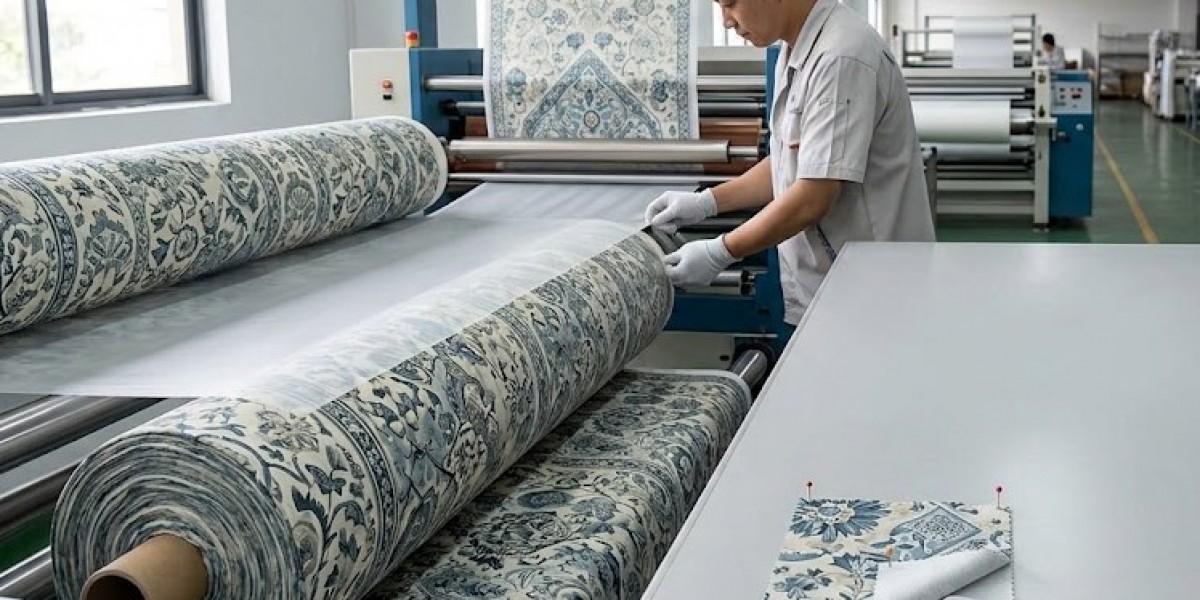

The bedding market continues to offer opportunities for retailers and distributors looking to expand their product collections. Among the available options, printed waterproof fitted sheets have attracted attention because they combine mattress protection with decorative bedding functions. They are suitable for households, rental accommodation, guest rooms, and other settings where both appearance and practical protection matter.
However, sourcing these products for commercial distribution involves more than selecting appealing patterns. Differences in fabric quality, waterproof construction, printing processes, mattress compatibility, and manufacturing consistency can all influence the final customer experience.
For wholesalers, retailers, and private-label businesses, working with a capable Printed Waterproof Fitted Sheet manufacturer is essential to maintaining product standards and controlling sourcing risks. Here are six important aspects worth evaluating before moving forward with a purchase.
1. Examine the Waterproof Construction, Not Just the Product Description
The primary function of a waterproof fitted sheet is to help prevent liquids from reaching the mattress. This makes the backing material and overall layer construction important considerations during product evaluation.
Different manufacturers may use different waterproof materials and production methods. These differences can influence liquid resistance, flexibility, durability, and the way the finished sheet feels during everyday use.
When comparing suppliers, buyers should investigate:
The type of material used for the waterproof backing.
Whether the waterproof layer covers the intended protection area.
Available liquid-resistance test reports.
The effect of repeated washing on protective performance.
Recommended washing and drying conditions.
It is also important to distinguish between general water resistance and verified waterproof performance. If the product is intended for customers who require dependable mattress protection, buyers should request supporting test information and evaluate physical samples.
For businesses purchasing in large quantities, consistent waterproof performance is particularly important because defects in this area can result in customer complaints and product returns.
2. Evaluate Printing Quality and Long-Term Appearance
Printed patterns are an important selling point for modern bedding collections. Floral designs, geometric graphics, simple decorative patterns, and other visual styles allow retailers to offer products for different interior preferences.
However, attractive sample photography does not necessarily guarantee consistent production quality.
Printing performance should be evaluated in relation to the fabric type, printing method, and recommended care conditions. Buyers should examine whether the pattern remains clear and whether the colors maintain their appearance after repeated washing.
Several details deserve attention:
Color reproduction: Printed colors should match the approved design references as closely as possible.
Pattern consistency: Repeated patterns should remain properly aligned without obvious visual interruptions.
Colorfastness: The printed surface should be evaluated for fading or color transfer under recommended washing conditions.
Fabric stability: Shrinkage and deformation may affect both the appearance and dimensions of the finished sheet.
For private-label brands, artwork management is another important part of the sourcing process. Providing clear design files, color references, and pattern specifications before production can reduce misunderstandings between buyers and manufacturers.
A professional printed fitted sheet supplier should also be able to explain how printing requirements interact with the selected fabric and waterproof construction.
3. Mattress Compatibility Is Essential for Customer Satisfaction
Even a well-made fitted sheet may generate complaints if it does not fit the intended mattress correctly.
Unlike flat sheets, fitted sheets need to accommodate mattress dimensions while maintaining sufficient tension around the corners. Length, width, mattress thickness, and pocket depth all influence the final fit.
Buyers should pay particular attention to the following measurements:
Mattress length and width: These determine the basic dimensions of the fitted sheet and should match the size standards of the target market.
Pocket depth: This measurement determines whether the sheet can cover the mattress sides adequately, especially when used with thicker mattresses or mattress toppers.
Elastic construction: The distribution and quality of elastic affect how securely the sheet stays in position during normal use.
Hezom's fitted-sheet product range includes full-surround elastic construction and options with 25 cm or 30 cm deep pockets. Its selection also includes a quilted waterproof fitted sheet with a 30 cm deep pocket.
These specifications provide useful reference points for buyers comparing different product configurations. However, the exact dimensions and features should always be confirmed for the individual product being ordered.
For international distributors, regional mattress sizing is another consideration. A fitted sheet designed for one market may not be suitable for another without adjustments to its dimensions and pocket depth.
4. Balance Waterproof Protection, Fabric Comfort, and Practical Use
Combining decorative printing with waterproof functionality creates additional manufacturing considerations. A finished product needs to meet several requirements simultaneously rather than performing well in only one area.
For example, a waterproof backing should provide the intended liquid protection without making the sheet unnecessarily stiff. Meanwhile, the outer fabric should offer an appropriate surface feel and remain compatible with the selected printing process.
This is why buyers should evaluate the complete fabric construction instead of focusing exclusively on individual material descriptions.
Important questions include:
What fabric is used for the sleeping surface?
What material forms the waterproof backing?
How are the different layers combined?
Does the finished product maintain sufficient flexibility?
What washing methods are recommended?
Are the requested printing and waterproof features available in the same product?
Breathability, softness, and moisture protection are often used to describe bedding products, but these characteristics depend on the actual material combination and construction.
Requesting samples is therefore a practical way to assess the overall experience before approving a large production order.
5. Establish Quality Standards Before Bulk Manufacturing
One of the main challenges in wholesale bedding procurement is maintaining consistency between samples and mass-produced goods.
A sample may have accurate dimensions and attractive printing, but production variations can still occur when larger quantities are manufactured. Without clear quality requirements, buyers may find it difficult to identify and resolve differences after delivery.
Before confirming an order, retailers and wholesalers should establish written product specifications covering:
Fabric composition and material requirements.
Finished dimensions and acceptable measurement tolerances.
Pocket depth and elastic construction.
Printing colors, patterns, and placement.
Waterproof layer requirements.
Stitching quality and finishing details.
Labels, packaging, and product identification.
Production arrangements should also be discussed in advance. Minimum order quantities, manufacturing lead times, sample approval procedures, and pre-shipment inspections can all influence purchasing decisions.
For private-label businesses, packaging deserves particular attention. Customized labels, washing instructions, product descriptions, and packaging artwork should be confirmed before production to avoid unnecessary corrections later.
A clear quality-control agreement provides a shared reference for both the buyer and manufacturer, helping reduce disputes and improve order consistency.
6. Select a Manufacturer That Understands Your Business Requirements
Different buyers may have very different priorities when sourcing printed waterproof fitted sheets.
Retailers often focus on product appearance, packaging, and the ability to offer multiple designs. Wholesale distributors may prioritize stable production capacity, order flexibility, and competitive purchasing conditions. Hospitality and accommodation businesses may place greater emphasis on mattress protection, dimensions, and practical maintenance requirements.
Therefore, the most suitable supplier is not necessarily the one offering the largest catalog. It is the manufacturer capable of matching its product specifications and production arrangements to the buyer's actual market needs.
Hezong Xinxifuwu, through its Hezom home textile website, offers a range of fitted-sheet products, including printed designs and waterproof options.
For businesses interested in developing a new bedding collection, the available product range can serve as a starting point for discussing materials, dimensions, patterns, and product configurations.
When contacting a Printed Waterproof Fitted Sheet manufacturer, buyers should prepare a detailed purchasing brief covering target markets, mattress sizes, preferred fabric, design requirements, waterproof expectations, estimated quantities, and packaging preferences.
This makes it easier to determine which specifications are available, whether customization is possible, and how the supplier can support the project from sampling through bulk production.
Conclusion
Sourcing printed waterproof fitted sheets for commercial use requires a comprehensive evaluation of product construction, appearance, fit, and manufacturing consistency.
Waterproof performance should be supported by appropriate materials and testing. Printing quality needs to remain consistent, while pocket depth and elastic construction must match the intended mattress sizes. Equally important, buyers should establish clear specifications and quality-control procedures before placing large orders.
For bedding retailers, wholesalers, and private-label brands, these considerations can help reduce procurement risks and build more competitive product collections. Exploring Hezom's fitted-sheet range and confirming the available specifications directly with the supplier can be a practical starting point for businesses looking for printed and waterproof bedding solutions.