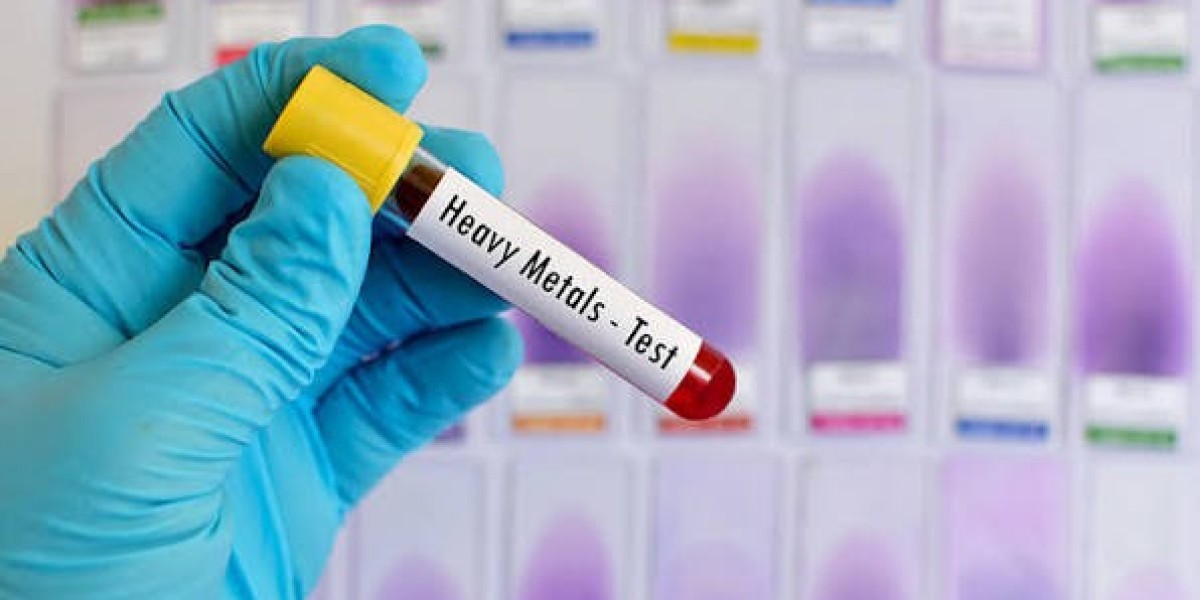

Heavy metal exposure can occur through environmental pollution, contaminated water, certain occupational settings, and other sources. Metals such as lead, mercury, arsenic, and cadmium may enter the body through different exposure pathways, making accurate assessment important for individuals concerned about their health. Identifying possible exposure requires an appropriate testing approach, reliable laboratory methods, and professional interpretation of the results.
Choosing a suitable clinic for Heavy Metal Detection in Dubai involves more than finding a facility that offers laboratory testing. Patients should consider the types of metals assessed, the biological samples used, the laboratory's testing standards, and whether qualified healthcare professionals can explain the findings. A comprehensive assessment may also involve reviewing medical history, occupational background, environmental exposure, and existing symptoms.
Dubai offers several healthcare facilities with different approaches to diagnostic and wellness services. Tajmeels Clinic, Dynamic Life Clinic, and Enfield Royal Clinic are among the names patients may consider when researching available options. However, the most appropriate choice depends on the specific testing requirements and the availability of clinically validated diagnostic services.
Understanding what each clinic offers can help patients make a more informed decision. It is equally important to distinguish between established diagnostic testing and wellness-based assessments, particularly when results may influence medical decisions or further treatment.
Dynamic Life Clinic
Dynamic Life Clinic is another healthcare provider patients may consider when exploring diagnostic and wellness-related services in Dubai. The clinic operates in the Al Barsha area and also has a location in Dubai Silicon Oasis. Its healthcare services make it a potential point of contact for individuals seeking information about medical assessments and appropriate testing options.
When considering Dynamic Life Clinic for heavy metal testing, patients should ask whether the required laboratory investigation is available directly or through an external diagnostic laboratory. This distinction is important because not every healthcare facility performs every specialised laboratory investigation on-site.
A useful consultation should establish which metals need to be assessed, whether blood or urine sampling is appropriate, and how the results will be interpreted. Patients should also confirm the laboratory's accreditation, sample-handling procedures, and reporting arrangements before proceeding.
The clinic may be worth contacting for an initial discussion about diagnostic requirements. However, patients should verify the availability of the specific test rather than assuming that general medical or wellness services automatically include specialised toxicology testing.
Enfield Royal Clinic
Enfield Royal Clinic is particularly relevant to this comparison because it has a dedicated service page for Heavy Metal Detection in its regenerative medicine section. Its published information discusses the identification of metals such as lead, mercury, arsenic, chromium, and cadmium, along with the importance of assessing potential exposure.
The clinic's service information describes blood-based testing as an approach to identifying metal concentrations. This can be relevant when a patient has concerns about possible exposure and requires an assessment based on their individual circumstances. The suitability of a particular sample type, however, depends on the metal being investigated, the timing of exposure, and the clinical question.
Another important consideration is the consultation process. Patients should have an opportunity to discuss their exposure history, symptoms, and reasons for requesting testing. This helps establish whether the proposed investigation is appropriate and whether additional medical assessment is necessary.
For individuals comparing diagnostic options in Dubai, Enfield Royal Clinic stands out in terms of publicly listed service information specifically addressing heavy metal assessment. Before booking, patients should confirm the available test panel, laboratory performing the analysis, sample requirements, and professional interpretation of results. These details help establish whether the service meets their actual diagnostic needs.
Tajmeels Clinic
Tajmeels Clinic is another Dubai healthcare provider that patients may consider when researching medical and wellness services. Its published offerings focus primarily on aesthetic care, dermatology, cosmetic procedures, and selected wellness treatments. The clinic is located in the Al Manara area, making it accessible to patients seeking consultations in this part of Dubai.
For individuals interested in specialised toxicology investigations, the important consideration is whether the clinic can arrange the required laboratory assessment. A general wellness consultation should not be confused with a validated heavy metal investigation, as each type of testing has specific requirements.
Patients considering Tajmeels Clinic should ask whether it offers testing for individual metals or comprehensive panels, which laboratory processes the samples, and whether a qualified healthcare professional reviews the results. They should also clarify whether the clinic provides follow-up consultations if an abnormal concentration is identified.
The clinic can be contacted to establish whether its current diagnostic services accommodate these requirements. Confirming the availability of specialised testing before scheduling an appointment can help patients avoid unnecessary consultations and ensure that their assessment is appropriate.
How to Choose the Right Clinic for Heavy Metal Detection
Selecting a healthcare provider for specialised testing requires careful consideration of clinical expertise, laboratory quality, and the ability to interpret findings correctly. The following factors can help patients evaluate their options.
Experience and Qualifications
The qualifications of healthcare professionals involved in testing and interpretation are essential. Patients should look for appropriately licensed practitioners who understand toxicology, environmental exposure, and the medical significance of different metal concentrations.
A qualified professional should be able to explain why a particular test is recommended and whether additional investigations are necessary. Patients should also check who will review the laboratory report and provide medical guidance.
Technology and Testing Techniques
Different metals require different testing methods. Depending on the suspected exposure, healthcare professionals may recommend blood, urine, or other specialised laboratory investigations.
Blood testing can help identify recent or ongoing exposure to certain metals, while urine testing may be more appropriate for assessing particular substances and exposure patterns. Hair analysis has limitations and should not automatically be treated as a reliable substitute for clinically validated testing.
Patients should ask which analytical method the laboratory uses, whether it is suitable for the metal being investigated, and whether the testing laboratory follows recognised quality-control procedures.
Safety Standards and Laboratory Quality
Reliable testing depends on proper sample collection, storage, transportation, and laboratory processing. Contamination during collection can affect results, particularly when trace concentrations are being measured.
Patients should confirm whether the laboratory is appropriately licensed and accredited for the specific investigation. Accreditation should be checked against the laboratory itself and its relevant testing scope rather than assumed from a clinic's general healthcare licence.
Consultation Process
An effective consultation should begin with a discussion of possible exposure sources, medical history, symptoms, and relevant occupational or environmental factors. This information helps determine which metals should be investigated.
Healthcare professionals should explain the purpose of each test, any preparation requirements, and when results are expected. They should also clarify whether repeat testing or additional investigations may be needed.
Patient Experience
Clear communication and access to professional guidance contribute to a better diagnostic experience. Patients should receive understandable information about sample collection, confidentiality, laboratory reporting, and follow-up appointments.
It is also helpful to choose a provider that explains the limitations of testing instead of presenting every result as evidence of toxicity. This approach supports informed decisions and reduces the risk of unnecessary interventions.
Expected Results
The purpose of testing is to identify and assess possible exposure, not simply to produce a numerical report. Results should be interpreted using appropriate reference ranges, the patient's exposure history, and the clinical significance of the particular metal.
An elevated result does not always indicate poisoning or establish the cause of symptoms. Depending on the findings, a healthcare professional may recommend repeat testing, exposure-source investigation, specialist referral, or further medical evaluation.
Frequently Asked Questions
What Is Heavy Metal Detection?
Heavy metal detection is a diagnostic process used to identify and measure specific metals or metalloids in biological samples. Commonly investigated substances include lead, mercury, arsenic, and cadmium. Testing can help healthcare professionals assess possible exposure and determine whether further investigation is required.
Which Metals Can Be Identified Through Testing?
Depending on the laboratory panel, testing may assess lead, mercury, arsenic, cadmium, chromium, and other potentially harmful elements. Not every test measures all metals, so patients should confirm which substances are included before providing a sample.
Is a Blood Test Enough to Detect Heavy Metals?
Not necessarily. Blood testing is useful for assessing certain metals and exposure patterns, but urine testing may be more appropriate for others. The correct sample depends on the substance, timing of exposure, and clinical circumstances. A healthcare professional should determine the most suitable investigation.
When Should Someone Consider Heavy Metal Testing?
Testing may be appropriate when someone has a documented or suspected exposure through their occupation, environment, contaminated water, or other sources. It may also be considered following a relevant clinical assessment. Symptoms alone are not enough to establish heavy metal exposure because many associated complaints can have other causes.
How Long Does It Take to Receive Heavy Metal Test Results?
The reporting time depends on the metal being investigated, the laboratory method, and whether the sample is processed locally or sent to an external facility. Patients should ask the clinic or laboratory for an estimated turnaround time when arranging their test.
Conclusion
Choosing the right healthcare provider for specialised metal testing requires attention to laboratory standards, appropriate diagnostic methods, professional qualifications, and reliable interpretation. Although Tajmeels Clinic and Dynamic Life Clinic may be worth contacting about diagnostic options, patients should confirm whether they can arrange the specific investigations required.
Heavy Metal Detection is a particularly relevant option to investigate because it publicly lists a dedicated heavy metal detection service. Its service information provides a starting point for patients interested in assessing possible exposure and discussing suitable testing approaches.
Ultimately, the best clinic is one that offers appropriate, validated testing, transparent laboratory procedures, and qualified medical guidance. Taking the time to verify these factors can help patients make informed decisions about their diagnostic care in Dubai.