
Purchasing vehicles in bulk from China can give overseas dealers and distributors access to a wide range of passenger cars, SUVs, MPVs, pickups, and new energy vehicles. However, placing a large order also involves more than negotiating the purchase price. Differences in vehicle specifications, supplier coordination, export documentation, and shipping arrangements can all affect the final result.
For importers managing multiple vehicles in one shipment, even a small ordering mistake can create additional costs and delays. A vehicle configuration that does not meet local requirements, incomplete export documents, or inconsistent order information may complicate customs clearance and delivery.
To reduce these risks, buyers need a clear purchasing process before confirming a bulk vehicle order.
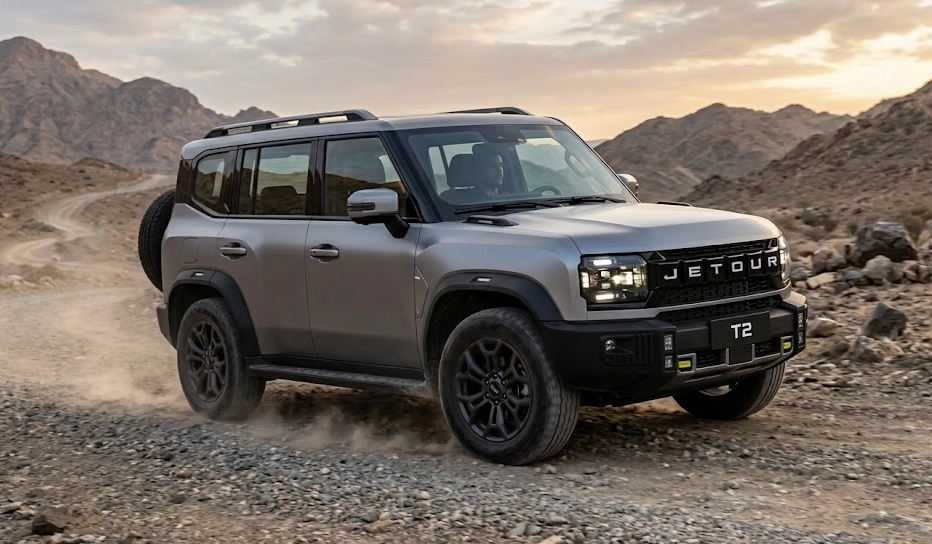
1. Define Vehicle Requirements Before Requesting Quotations
One common source of purchasing problems is insufficient communication about vehicle specifications.
A model name alone does not provide enough information for an accurate quotation. Vehicles under the same model series may have different engines, transmissions, drivetrains, trim levels, and optional equipment.
Before contacting suppliers, buyers should prepare a clear vehicle requirement list covering:
Brand, model, and model year
Engine or powertrain type
Transmission and drivetrain
Exterior and interior configuration
Safety and comfort equipment
Quantity required for each configuration
Destination country and intended application
For example, a dealer ordering several SUVs should specify whether the vehicles require petrol engines, hybrid systems, or four-wheel drive. This helps reduce misunderstandings during quotation and order confirmation.
2. Check Whether the Specifications Suit the Destination Market
A vehicle that is available in China may not automatically meet the requirements of its destination country.
Import regulations, technical standards, emissions requirements, vehicle registration rules, and customer preferences differ between markets. Buyers should confirm these requirements before selecting vehicles.
Climate and road conditions also influence purchasing decisions. For markets with high temperatures, importers may need to pay closer attention to cooling systems, air-conditioning equipment, and the manufacturer's operating recommendations.
For markets with limited charging infrastructure, conventional petrol or hybrid vehicles may be more practical for certain customer groups than fully electric models.
The key is to select vehicles according to local operating conditions rather than relying only on their popularity in the Chinese market.
3. Verify Vehicle Information Before Confirming the Order
Before making a bulk purchase, buyers should carefully review the quotation, configuration details, and order information.
Important details include the model year, vehicle identification information when available, engine specifications, equipment list, quantity, unit price, and delivery arrangements.
For mixed orders containing several models, each vehicle configuration should be listed separately. This makes it easier to identify differences and reduces the risk of receiving vehicles that do not match the original requirements.
Buyers should also clarify which features are standard and which are optional. Items such as panoramic sunroofs, driver-assistance systems, infotainment equipment, and interior materials may vary between trims.
4. Arrange Vehicle Inspection Before Shipment
Vehicle inspection is an important part of bulk purchasing, particularly when buyers are unable to visit China in person.
Before shipment, the inspection process should focus on whether the supplied vehicles match the confirmed order.
Depending on the purchasing arrangement, checks may include:
Vehicle model and configuration
Exterior condition and visible damage
Interior equipment and functions
Dashboard and warning indicators
Basic vehicle operation
Relevant vehicle identification information
Order quantity and documentation consistency
Inspection requirements should be agreed upon in advance. Clear inspection records and supporting photographs can help buyers review the vehicles before shipment and address discrepancies in a timely manner.
5. Understand Export Documentation and Shipping Arrangements
Vehicle export involves several administrative and logistical steps. Overseas buyers should understand the documentation requirements of both the exporting and importing countries.
Depending on the destination market and transaction, relevant documents may include commercial invoices, packing lists, vehicle information, certificates, and other customs or compliance documents.
Requirements are not identical across countries. For example, buyers serving GCC markets, African markets, and other regions may face different certification and import procedures.
Shipping arrangements should also be confirmed before the order is finalized. Buyers need to understand the expected shipping method, port arrangements, shipment schedule, and responsibilities for related costs.
Clear communication at this stage helps avoid unnecessary delays and disagreements.
6. Consider the Supplier's Coordination Capabilities
Bulk vehicle purchasing often involves several connected activities, including vehicle sourcing, specification confirmation, order management, inspection, documentation, and shipping.
A supplier that only provides vehicle quotations may not cover all the coordination needs of an overseas importer.
Buyers should evaluate whether the supplier can communicate clearly, provide accurate vehicle information, coordinate different models within one order, and assist with export procedures.
It is also important to establish a clear communication process. Each confirmed change to the vehicle configuration, quantity, or delivery arrangement should be documented so that all parties are working from the same information.
7. Calculate the Total Purchasing Cost, Not Just the Vehicle Price
The quoted vehicle price is only one part of the total import cost.
Depending on the transaction and destination country, buyers may also need to account for inland transportation, export-related expenses, shipping, insurance, customs duties, taxes, port handling, and local delivery.
A lower vehicle purchase price does not necessarily mean a lower overall cost. Importers should compare quotations using the same vehicle configuration and clarify which services and expenses are included.
This approach provides a more realistic basis for evaluating suppliers and planning resale prices.
Building a More Reliable Bulk Vehicle Purchasing Process with Moluoni Group
For overseas automotive dealers, distributors, and fleet buyers, purchasing vehicles from China requires coordination across multiple stages. Clear specifications, order verification, vehicle inspection, and export planning all contribute to a smoother transaction.
Moluoni Group provides vehicle sourcing and export support for international buyers, covering a range of Chinese vehicles, including new energy vehicles, hybrid models, petrol-powered cars, SUVs, MPVs, and pickups.
The team assists with vehicle inquiries, configuration confirmation, order coordination, export documentation, and international shipping arrangements for customers in markets including Africa and the Middle East.
Whether buyers are sourcing a single model or arranging a mixed bulk order, confirming the requirements and purchasing details at an early stage can help reduce avoidable risks.
To discuss vehicle sourcing options from China, visit Moluoni Group and contact the team for further information.
Frequently Asked Questions
What should I prepare before purchasing vehicles in bulk from China?
Buyers should prepare vehicle models, quantities, configuration requirements, destination-country information, and expected delivery arrangements before requesting quotations.
Can I order different vehicle models in one bulk purchase?
This depends on vehicle availability and the supplier's coordination arrangements. Buyers should list each model and its configuration separately to avoid order discrepancies.
Why is vehicle inspection important before shipment?
Inspection helps confirm that vehicle quantity, visible condition, and specifications are consistent with the purchase agreement before the vehicles leave China.
Does the import cost only include the vehicle purchase price?
No. Depending on the destination and shipping arrangement, buyers may also need to consider transportation, insurance, customs duties, taxes, port handling, and local delivery expenses.