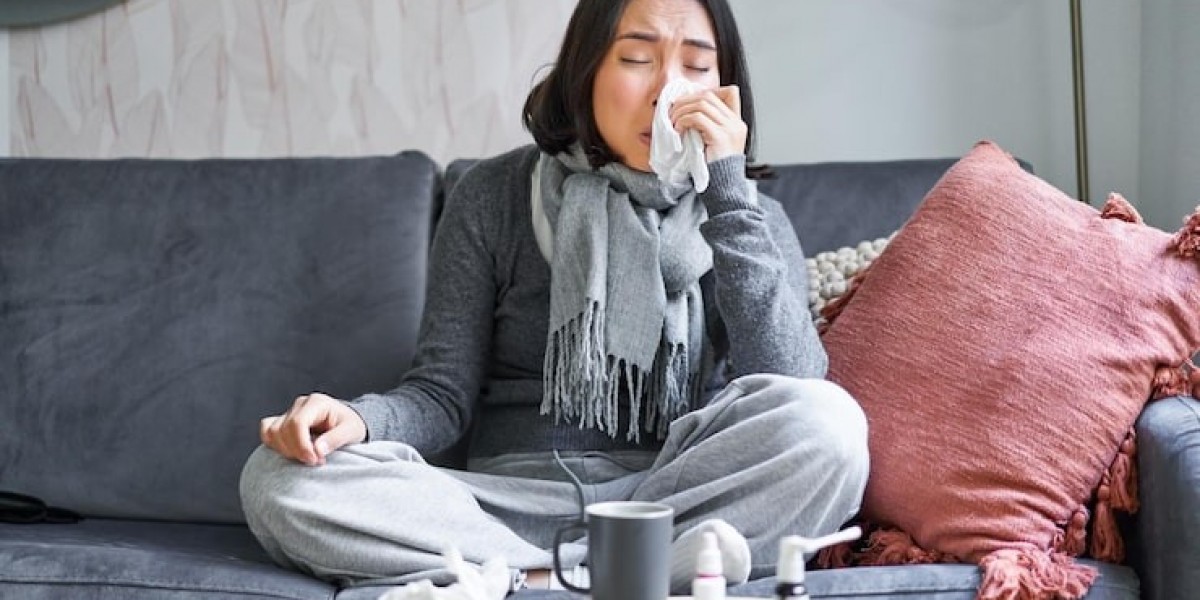

A fever can leave you achy, chilled and exhausted, but it is also a sign that your immune system is working. With a cold or flu, a fever is ufsually mild and passes within a few days. The goal isn’t to erase it completely but to keep you comfortable while your body recovers. Here are six practical steps.
1. Rest
Your body uses a lot of energy fighting infection, and physical activity raises your temperature further. Stay home, sleep when you can and give your immune system room to work.
2. Drink plenty of fluids
Fever increases fluid loss through sweat and faster breathing, which can lead to dehydration. Sip water, clear broth, herbal tea or electrolyte drinks throughout the day. Pale yellow urine is a good sign you’re drinking enough.
3. Keep your room cool
A comfortably cool room helps your body shed heat. Use a light sheet or thin blanket rather than heavy bedding, and avoid piling on layers when you feel chilled.
4. Wear light clothing
Loose, breathable fabrics like cotton let heat escape. Overdressing, especially for children, can push body temperature higher.
5. Try a cool compress or lukewarm bath
Place a damp, cool cloth on your forehead or the back of your neck. A lukewarm (not cold) sponge bath can also help. Avoid ice baths and alcohol rubs, which can cause shivering or other harm. These methods bring comfort but usually lower temperature only modestly.
6. Use fever-reducing medicine carefully
Over-the-counter options such as acetaminophen (paracetamol) or ibuprofen can ease fever, aches and headaches. A few safety rules matter:
- Follow the label’s dose and timing exactly, and never exceed the daily maximum.
- Check every product’s ingredients. Many multi-symptom cold and flu remedies already contain acetaminophen, and doubling up can cause an overdose.
- For children, dose by weight and age as the label directs, and never give aspirin to a child or teenager.
- If you have liver, kidney or stomach problems, or take other medicines, ask a pharmacist first.
When to see a doctor
Most fevers from colds and flu resolve on their own. Get medical help if:
- Your temperature rises above 103°F (39.4°C) or the fever lasts more than three days.
- You have a severe headache, stiff neck, chest pain, confusion or trouble breathing.
- A baby under three months has any fever.
- You are pregnant, elderly, or have a chronic condition or weakened immune system.
The bottom line
Rest, fluids and light, cool surroundings are the foundation of fever care, with medication as a safe backup for comfort. Listen to your body, follow product labels closely and don’t hesitate to seek care when symptoms worsen.
This article is for general information only and isn’t a substitute for professional medical advice.
Want it tuned for a specific audience (parents, for example), a different tone, or an SEO-style version with a meta description?