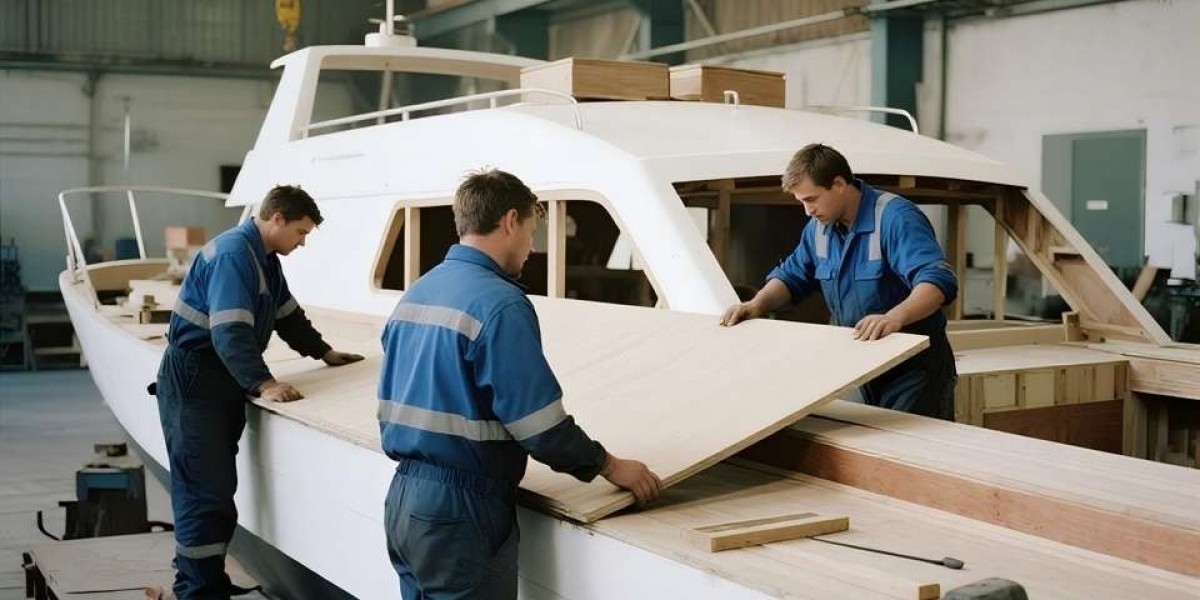

Marine plywood is widely used where strength, stability, and moisture resistance are important. It is suitable for demanding applications such as boats, wet areas, cabinetry, flooring, wall lining, and other projects where ordinary plywood may not provide the required performance. However, choosing a quality panel is only part of the process. How to install and maintain marine plywood also has a major impact on how well it performs over time.
Marine plywood uses quality veneers and moisture-resistant adhesive, but the timber itself can still absorb water if exposed edges and surfaces are not properly protected. Good installation, sealing, drainage, ventilation, and routine inspection can help reduce moisture-related problems such as swelling, warping, decay, and delamination.
Why Proper Installation Matters for Marine Plywood
Correct installation creates a strong foundation for long-term performance. Even a high-quality sheet can develop problems when it is installed in a way that allows water to collect or penetrate vulnerable areas.
Choose the Right Thickness and Grade
The first step is selecting plywood that matches the requirements of the project. Marine plywood is available in different thicknesses and sheet sizes, so the right option depends on the load, span, fixing method, and intended application.
Just Plywood currently lists marine plywood in thicknesses including 6mm, 12mm, 18mm, and 19mm, with sheets available in 2440 × 1220mm dimensions.
Do not select thickness based only on appearance or price. A panel used for flooring or a structural application may require different characteristics from one used for cabinetry or wall lining.
Seal Cut Edges and Exposed Areas
Cut edges are among the most vulnerable parts of plywood. Cutting exposes the internal layers, creating additional pathways for moisture to enter.
After cutting, inspect the edges carefully and apply a suitable sealant or coating recommended for the application. Pay particular attention to holes, joints, corners, and other areas where the original surface has been disturbed.
Sealing does not mean the panel can be left permanently exposed without maintenance. Marine plywood is moisture resistant, but the wood itself can still absorb water and eventually deteriorate if it remains wet.
Installation Practices That Help Prevent Damage
Installation should focus on keeping moisture away from vulnerable areas while allowing the plywood to remain stable under normal environmental changes.
Use Suitable Fasteners and Fixings
Fasteners should match the environment and application. In areas exposed to moisture or salt air, corrosion-resistant fasteners are especially important.
Poor-quality or corroded fixings can stain the timber, weaken connections, and create areas where water can enter. Install screws, bolts, or other fixings correctly without damaging the plywood surface.
Avoid over-tightening fasteners because excessive pressure can crush the veneer around the fixing point. Where required, pre-drilling can help create cleaner holes and reduce the risk of splitting.
Allow for Drainage and Ventilation
Water should never be allowed to remain trapped against a plywood panel for long periods. Good installation should provide a practical path for water to drain away.
Ventilation is also important, especially in enclosed or semi-enclosed areas. Air movement helps moisture escape and allows the timber to dry after exposure.
Where possible, avoid placing plywood directly against damp ground or another surface that can continuously transfer moisture. Providing suitable spacing and drainage can significantly reduce moisture-related problems.
Maintenance Steps That Extend Plywood Life
Once the plywood has been installed, maintenance becomes an ongoing part of protecting the material. Small issues are generally easier and less expensive to address than extensive water damage.
Inspect for Cracks, Delamination, and Warping
Regular inspection helps identify early warning signs. Look for surface cracks, damaged edges, loose fixings, swelling, discolouration, warping, or separation between plywood layers.
Delamination is particularly important because it indicates that the layers are beginning to separate. If it is ignored, the affected area may continue to grow and reduce the panel's structural performance.
Check areas around joints, screw holes, cut edges, and places where water tends to collect. These areas often show problems before the main surface does.
Keep the Surface Clean and Dry
Dirt, salt, organic material, and other contaminants can remain on the surface and contribute to deterioration when combined with moisture.
For exposed installations, clean the plywood using methods suitable for its protective coating. Fresh water can be useful for removing surface salt and dirt, while harsh chemicals and abrasive cleaning methods should be avoided unless specifically recommended by the coating manufacturer.
After cleaning, allow the surface to dry properly. A clean and dry surface makes it easier to identify cracks, coating failure, and other problems during inspection.
Protecting Marine Plywood From Environmental Exposure
Marine plywood can perform well in demanding environments, but its service life is influenced by the conditions around it. Moisture, sunlight, temperature changes, and physical wear can gradually affect the protective
Use Protective Coatings
One of the most practical tips for extending the life of marine plywood is maintaining an appropriate protective coating system.
Depending on the application, this may include a suitable primer, paint, varnish, or marine-grade sealant. The coating should be compatible with the plywood and the environment in which it will be used.
Pay special attention to edges and joints. A coating that looks good on the main surface does not necessarily protect an exposed cut edge.
When the coating begins to peel, crack, blister, or wear away, prepare the surface and recoat it according to the product manufacturer's instructions. Regular refinishing can help maintain the moisture barrier.
Control Moisture and Sun Exposure
Moisture control is one of the most important aspects of plywood maintenance. Standing water should be removed rather than allowed to remain on the surface.
For outdoor projects, consider how rainwater moves across the structure. A suitable slope or drainage arrangement can prevent water from pooling.
UV exposure can also degrade protective finishes over time. If the plywood is exposed to direct sunlight, use a finish designed for exterior conditions and maintain it as required.
Common Problems and How to Handle Them
Even with careful installation, plywood can eventually develop minor problems. Early action can prevent them from becoming major repairs.
Repair Minor Damage Early
Small cracks, scratches, or damaged coating areas should not be ignored. Clean the affected area, allow it to dry, and use a suitable repair or sealing product according to the manufacturer's instructions.
Damaged edges may require filling, sanding, and resealing. If the underlying timber has deteriorated significantly, simply covering the surface may not solve the problem.
For minor delamination, specialist repair methods may sometimes be possible. More extensive separation or structural damage may require replacing the affected section rather than attempting a cosmetic repair.
Know When Replacement Is Better
Not every damaged panel should be repaired. If the plywood has extensive rot, major delamination, severe warping, or significant loss of structural integrity, replacement may be the safer option.
Before repairing or replacing plywood used in a structural or marine application, assess the cause of the damage. If moisture is still entering through an unsealed edge, damaged joint, poor drainage point, or failed coating, the new panel could develop the same problem.
Fixing the source of moisture is just as important as repairing the visible damage.
Conclusion
Marine plywood can provide reliable performance for many demanding applications, but its durability depends on more than the material itself. Proper cutting, sealing, fastening, drainage, ventilation, and protective finishing all contribute to long-term performance.
The best maintenance practices for marine plywood start with preventing moisture from reaching vulnerable areas and continue with regular inspections and timely repairs. Clean surfaces, protected edges, sound fixings, and well-maintained coatings can help reduce the risk of swelling, warping, rot, and delamination.
For your next project, select a suitable marine plywood thickness and specification based on the application rather than choosing purely on price. Just Plywood offers marine plywood in several commonly used thicknesses and sizes, making it easier to select a panel suited to your project requirements.
With careful installation and consistent maintenance, marine plywood can remain a practical and durable material for wet-area, outdoor, marine, furniture, and construction projects.
Frequently Asked Questions
1. Is marine plywood completely waterproof?
No. Marine plywood is designed with moisture-resistant construction and waterproof adhesive, but the timber itself can still absorb moisture. Proper sealing, finishing, drainage, and maintenance are important when the plywood is exposed to water or high humidity.
2. How can I protect marine plywood from moisture?
Seal exposed surfaces and especially cut edges with a suitable product recommended for the intended application. Also prevent standing water, provide adequate drainage, and ensure the installation can dry properly after exposure.
3. How often should marine plywood be inspected?
Inspection frequency depends on the environment and level of exposure. Plywood exposed to rain, saltwater, sunlight, or heavy use should be checked more frequently. It is also sensible to inspect it after severe weather or when signs of coating failure appear.
4. Can damaged marine plywood be repaired?
Minor surface cracks, coating damage, and some small areas of delamination may be repairable. However, plywood with extensive rot, severe delamination, or major structural damage may need replacement. The source of moisture should also be corrected before completing a repair.
5. What makes marine plywood suitable for wet areas?
Marine plywood is manufactured using quality veneers and moisture-resistant adhesive, with construction designed for demanding environments. Its performance still depends on correct installation and protection because the wood itself is not immune to moisture-related deterioration.