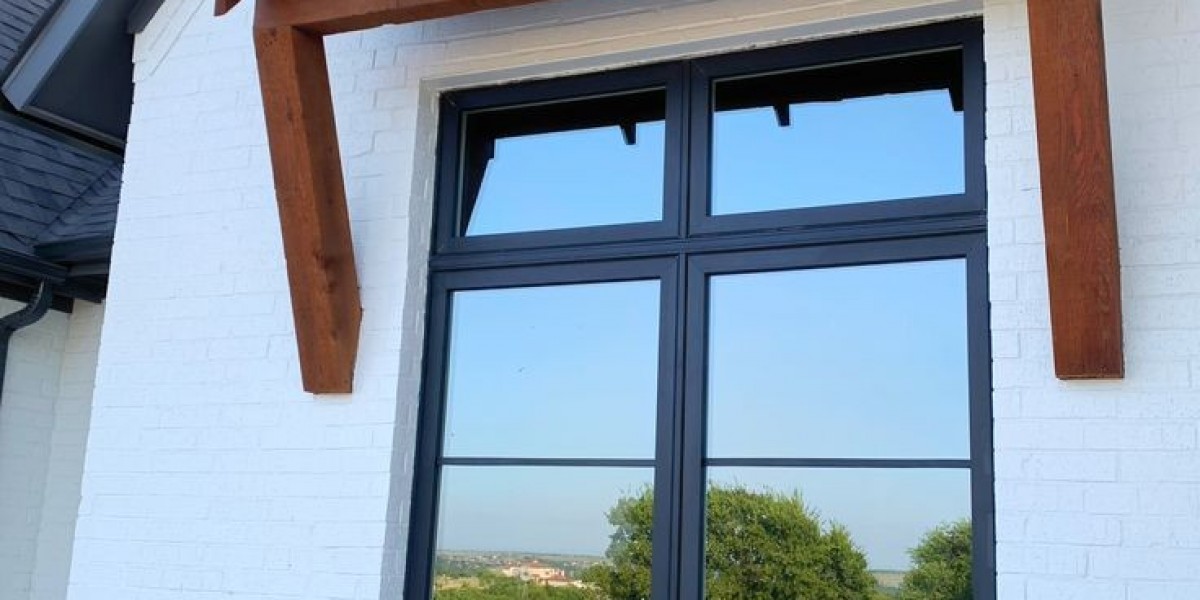

Custom Awning windows are a practical and stylish choice for modern homes. They are hinged at the top and open outward from the bottom, creating a simple design that provides ventilation, natural light, and protection from light rain. Their clean appearance makes them suitable for bedrooms, bathrooms, kitchens, living rooms, and other areas where homeowners want fresh air without compromising privacy or style. Understanding their features, benefits, and available design options can help you choose the right windows for your home.
What Are Awning Windows?
Awning windows are designed with a top-mounted hinge that allows the bottom section of the window to open outward. This design creates an angled opening that allows air to enter while the upper part of the window provides some protection from rain.
They can be operated using:
Manual handles.
Crank mechanisms.
Locking handles.
Motorized controls for selected designs.
Their simple operation makes them convenient for everyday use.
Improved Ventilation
One of the main benefits of awning windows is their ability to provide effective ventilation. The outward opening allows fresh air to enter the room while helping warm or stale air escape.
They work well in areas such as:
Kitchens.
Bathrooms.
Bedrooms.
Home offices.
Living rooms.
Good ventilation can make indoor spaces feel fresher and more comfortable.
Protection from Light Rain
The outward-opening design provides a useful advantage during light rain. Because the window opens from the bottom, the upper section can act as a small shield over the opening.
This allows homeowners to enjoy ventilation without necessarily having to keep the window completely closed during light weather conditions. However, heavy rain and strong winds can still allow water to enter, so weather conditions should always be considered.
Natural Light and Outdoor Views
Awning windows can provide plenty of natural light when positioned correctly. Larger glass areas create a bright and open feeling while maintaining the clean appearance of a modern home.
They can be combined with:
Fixed windows.
Picture windows.
Sliding windows.
Casement windows.
Combining different window styles can create a balanced and attractive façade.
Excellent Privacy Options
Awning windows can be particularly useful in rooms where privacy is important. Their higher position and opening style can provide ventilation without creating the same level of direct visibility as some lower window designs.
For additional privacy, homeowners can choose:
Frosted glass.
Obscure glass.
Tinted glass.
Decorative glass.
Internal blinds.
These options are useful for bathrooms and bedrooms.
Energy Efficiency
Modern awning windows can contribute to improved energy efficiency when they are manufactured and installed with quality frames, seals, and glazing.
Important features include:
Double glazing.
Low-E glass.
Quality weather seals.
Insulated frames.
Secure locking systems.
A properly sealed window can help reduce unwanted air leakage and improve indoor comfort.
Strong Weather Sealing
When closed and locked, many awning window designs create a tight seal around the frame. This can help reduce drafts and limit the entry of dust and outdoor air.
Quality installation is equally important because even a high-performance window may perform poorly if gaps remain around the frame.
Modern Design Options
Awning windows are available in a wide range of styles, materials, and finishes. This makes them easy to integrate into both contemporary and traditional homes.
Popular options include:
Aluminium frames.
Timber frames.
uPVC frames.
Black or neutral finishes.
Minimalist frame designs.
Custom sizes.
Choosing the right frame can help the window complement your home's architecture.
Different Glass Choices
The type of glass can change the window's appearance and performance.
Common choices include:
Clear glass for maximum visibility.
Frosted glass for privacy.
Tinted glass for glare control.
Low-E glass for improved energy performance.
Laminated glass for additional safety and sound control.
Consider the room's purpose before selecting the glazing type.
Suitable for Different Rooms
Awning windows can be installed in many areas of a home.
They are particularly useful for:
Bathrooms
Frosted awning windows can provide ventilation and natural light while maintaining privacy.
Kitchens
They can help release cooking heat, moisture, and odors while providing fresh air.
Bedrooms
Awning windows can improve airflow and create a comfortable sleeping environment.
Living Areas
Larger designs can combine ventilation with natural light and attractive outdoor views.
Easy Operation and Maintenance
Awning windows are generally straightforward to operate and maintain. Regular cleaning and inspection can help keep them functioning properly.
Basic maintenance includes:
Cleaning the glass.
Removing dirt from tracks and hinges.
Checking seals.
Lubricating moving hardware when recommended.
Inspecting locks and handles.
Damaged seals or hardware should be repaired promptly.
Choosing the Right Awning Windows
Before purchasing, consider the following factors:
Window size.
Room location.
Ventilation requirements.
Privacy needs.
Glass type.
Frame material.
Energy efficiency.
Local weather conditions.
Installation requirements.
A professional window supplier or installer can help you select a suitable design based on your home's structure and requirements.
Common Mistakes to Avoid
Avoid choosing windows based only on appearance. Consider performance and installation as well.
Common mistakes include:
Selecting the wrong size.
Ignoring ventilation needs.
Choosing unsuitable glass.
Using poor quality seals.
Forgetting privacy requirements.
Installing windows without proper weatherproofing.
A balanced approach ensures better long-term performance.
Conclusion
Awning windows Big offer a practical combination of ventilation, natural light, privacy, and modern style. Their top-hinged design allows the bottom section to open outward, making them especially useful for kitchens, bathrooms, bedrooms, and other areas where controlled airflow is important. With options such as double glazing, frosted glass, timber or aluminium frames, and different finishes, they can be customized to suit almost any home. By choosing the right size, materials, glazing, and professional installation, homeowners can enjoy attractive and functional windows for many years.
Frequently Asked Questions
What are awning windows?
Awning windows are hinged at the top and open outward from the bottom. This design provides ventilation and can offer some protection from light rain.
Are awning windows good for ventilation?
Yes. Their outward-opening design allows fresh air to enter efficiently, making them suitable for bedrooms, bathrooms, kitchens, and living areas.
Can awning windows be used in bathrooms?
Yes. Awning windows with frosted or obscure glass can provide ventilation and natural light while maintaining privacy.
Are awning windows energy efficient?
They can be energy efficient when designed with quality frames, weather seals, and suitable glazing such as double or Low-E glass.
What materials are available for awning windows?
Common materials include aluminium, timber, and uPVC. The best option depends on the home's design, climate, maintenance requirements, and budget.