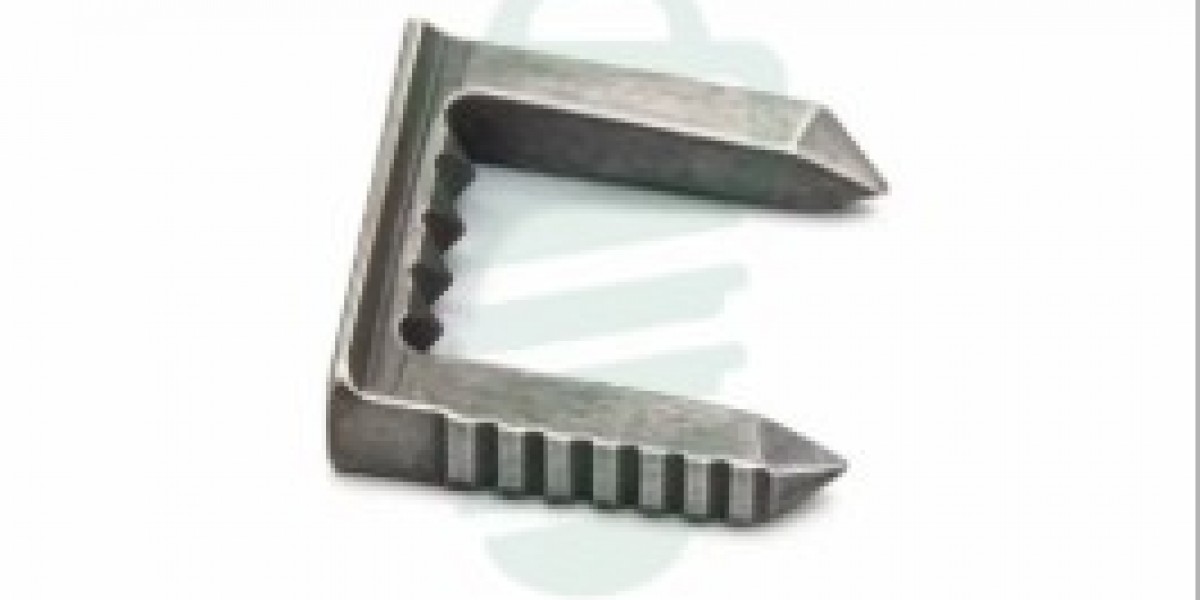

Ligament injuries are common in sports, accidents, and other situations where joints experience excessive stress or movement. When a ligament is damaged, surgical treatment may be required to restore stability and support proper healing. Among the fixation options used in orthopedic procedures, Ligament Staple Titanium is designed to help secure soft tissues and ligament grafts to bone.
Titanium is widely used in orthopedic implants because of its strength, relatively low weight, and compatibility with the human body. Understanding how titanium ligament staples work and where they are used can help explain their role in modern ligament fixation procedures.
What Is a Ligament Staple Titanium Implant?
A titanium ligament staple is a small orthopedic fixation device designed to help hold ligament tissue, tendon tissue, or a graft securely against bone. During certain reconstructive procedures, the surgeon needs reliable fixation while the repaired or reconstructed tissue heals.
The staple is positioned across the tissue and into the appropriate bone area. Its design allows it to provide mechanical fixation and maintain the position of the tissue during the healing process.
Different procedures may require different staple dimensions, shapes, and configurations. The appropriate implant is selected according to the surgical technique, anatomical location, tissue requirements, and surgeon preference.
Why Is Titanium Used for Ligament Staples?
Titanium is commonly selected for orthopedic implants because it offers several useful material characteristics. It combines mechanical strength with relatively low density, making it suitable for small fixation devices.
Another important consideration is biocompatibility. Medical-grade titanium is generally well tolerated by the body and is widely used in orthopedic and other surgical implants.
Titanium can also develop a stable oxide layer on its surface, which contributes to its corrosion resistance. These characteristics make titanium useful for implants that are intended to remain in the body.
How Does a Titanium Ligament Staple Work?
The primary purpose of a ligament staple is fixation. After a ligament repair or reconstruction, the surgeon may need to maintain the position of a graft or soft tissue against bone.
A typical fixation process involves positioning the prepared tissue at the intended anatomical location. The staple is then placed so that its legs engage the bone while the central portion helps secure the tissue.
The exact technique depends on the surgical procedure and implant design. Proper positioning is important because the fixation needs to provide sufficient stability without interfering with surrounding anatomical structures.
Common Uses of Ligament Staple Titanium
Titanium ligament staples can be used in selected orthopedic and sports medicine procedures where soft-tissue-to-bone fixation is required.
Ligament Reconstruction
One potential application is ligament reconstruction, where a damaged ligament is replaced or reconstructed using a graft. Fixation is an important part of the procedure because the graft must remain appropriately positioned while biological healing occurs.
Depending on the reconstruction technique, a titanium staple may be used as one of the fixation methods.
Tendon and Soft-Tissue Fixation
Certain surgical procedures involve securing tendon or other soft tissue to bone. A suitable staple can provide mechanical fixation at the attachment site.
The choice of fixation device depends on the tissue, bone quality, anatomical location, and surgical technique.
Sports Medicine Procedures
Ligament and tendon injuries are frequently associated with athletic activities. Orthopedic surgeons may use different fixation systems when treating sports-related injuries involving the knee, ankle, shoulder, or other joints.
Titanium staples may be considered when their design and fixation characteristics are appropriate for the procedure.
Advantages of Titanium Ligament Staples
The use of titanium offers several potential advantages for orthopedic fixation.
Biocompatibility: Medical-grade titanium is widely used in implants because it is generally compatible with biological tissues.
Strength: Titanium provides the mechanical properties needed for many small orthopedic fixation applications.
Corrosion Resistance: Titanium naturally forms a protective oxide layer, providing strong resistance to corrosion in physiological environments.
Lightweight Material: Compared with many other metals, titanium provides a favorable strength-to-weight ratio.
Established Orthopedic Material: Titanium has a long history of use in orthopedic implants, including plates, screws, fixation devices, and other surgical components.
Ligament Staple Titanium vs. Other Fixation Options
A ligament staple is only one of several possible fixation methods. Depending on the procedure, surgeons may use interference screws, anchors, buttons, sutures, plates, or other fixation devices.
Each system has different mechanical and surgical characteristics. For example, some fixation systems are designed for placement inside bone tunnels, while others are intended to secure tissue at a specific attachment site.
Therefore, there is no single fixation device that is appropriate for every ligament reconstruction. The surgeon considers the patient's anatomy, injury, bone quality, graft type, surgical approach, and expected fixation requirements when selecting an implant.
Factors to Consider When Selecting a Titanium Ligament Staple
Several factors may influence the selection of a ligament staple. Implant dimensions are important because the device needs to correspond with the intended anatomical application.
The staple's geometry, fixation mechanism, material specifications, and compatibility with the surgical technique should also be considered. Bone quality and the type of soft tissue being secured can influence fixation requirements.
Medical facilities should also consider the implant's regulatory status, manufacturer documentation, sterilization requirements, and applicable quality standards before using an orthopedic device.
Importance of Proper Surgical Technique
Even a well-designed implant requires appropriate surgical placement. The surgeon must prepare the tissue and bone correctly and position the fixation device according to the applicable surgical technique.
Incorrect positioning or inappropriate implant selection can affect fixation and may contribute to complications. For this reason, titanium ligament staples should be used by qualified healthcare professionals according to the manufacturer's instructions and established surgical protocols.
Recovery After Ligament Fixation
Recovery following ligament reconstruction or repair varies according to the specific injury and surgical procedure. Rehabilitation may include controlled movement, physical therapy, strength exercises, and gradual return to normal activities.
The fixation device provides mechanical support, but biological healing of the repaired or reconstructed tissue takes time. Patients should follow their surgeon's rehabilitation instructions and avoid activities that could place excessive stress on the healing structure.
Conclusion
Ligament Staple Titanium is an orthopedic fixation device used in selected procedures to help secure ligament, tendon, or other soft tissue to bone. Titanium is well established in orthopedic applications because of its strength, corrosion resistance, lightweight properties, and biocompatibility.
The appropriate fixation method depends on the specific surgical procedure, anatomy, tissue characteristics, and surgeon's technique. When properly selected and applied, titanium ligament staples can serve an important role in maintaining soft-tissue fixation during the healing process.
Frequently Asked Questions
What is a titanium ligament staple?
A titanium ligament staple is a small orthopedic implant designed to secure ligament, tendon, or other soft tissue against bone during selected surgical procedures.
Why is titanium used in ligament staples?
Titanium offers a combination of strength, corrosion resistance, relatively low weight, and biocompatibility, making it suitable for many orthopedic implants.
Where can ligament staples be used?
They may be used in selected ligament reconstruction, tendon fixation, and sports medicine procedures where soft-tissue-to-bone fixation is required.
Is a titanium ligament staple suitable for every ligament injury?
No. Implant selection depends on the injury, anatomy, surgical technique, bone quality, and other clinical factors. The treating orthopedic surgeon determines the appropriate fixation method.
How long does recovery take after ligament fixation?
Recovery varies significantly depending on the ligament involved, surgical technique, patient factors, and rehabilitation plan. A healthcare professional can provide procedure-specific recovery guidance.