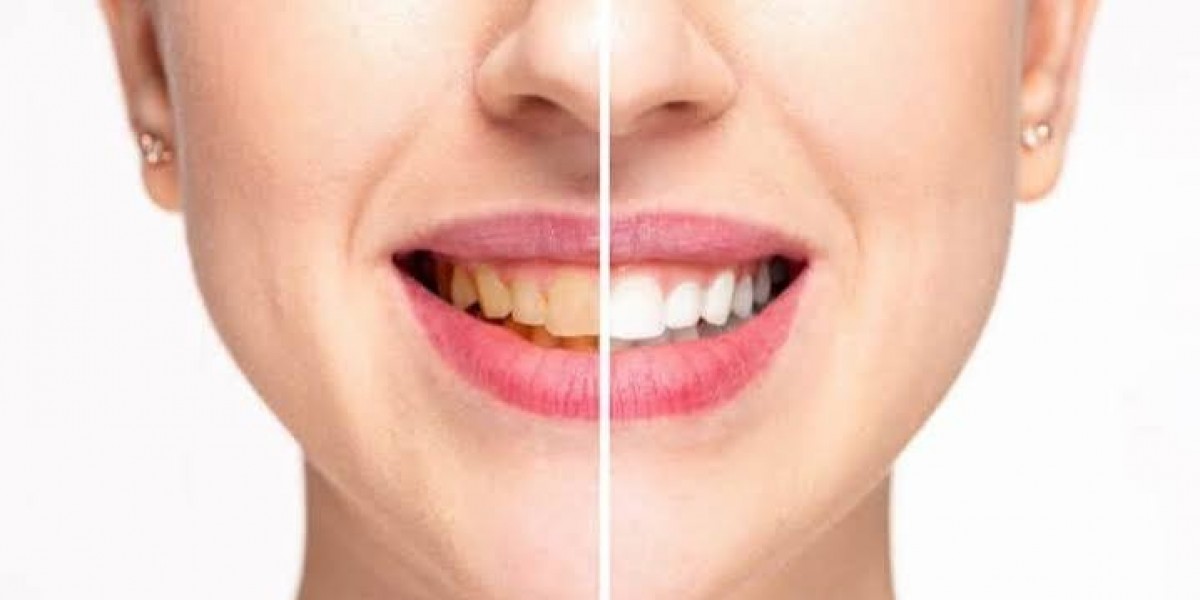

If you smoke and you're considering teeth whitening, you've probably already noticed the stains are more stubborn than the average coffee or wine habit. Smoking leaves behind some of the deepest, most resistant tooth discoloration out there, which naturally raises a lot of questions: Will whitening even work? How long will results last? Is it even worth it if you're still smoking?
The short answer is yes, whitening can absolutely help — but it comes with different expectations, timelines, and maintenance needs than it would for a non-smoker. In this guide, we'll walk through why smoking stains teeth so effectively, what kind of results smokers can realistically expect, and how to protect your smile (and your overall oral health) along the way.
Why Smoking Stains Teeth So Effectively
Tobacco smoke contains two main culprits behind tooth discoloration: tar and nicotine. On their own, both substances are colorless or pale yellow, but when they're exposed to oxygen, they oxidize and turn a yellowish-brown color. Every time you smoke, a fresh layer of these compounds settles into the microscopic pores of your enamel.
Over time, this buildup doesn't just sit on the surface. It seeps deeper into enamel and can even penetrate into the dentin layer underneath, which is part of why smoker's stains tend to be more resistant to regular brushing and whitening toothpaste than stains from food or drinks alone.
The longer someone has smoked, and the more frequently, the more entrenched these stains typically become, shifting from a removable surface stain to something that requires more intensive treatment to address.
Can Smokers Get Teeth Whitening?
Yes, smokers can absolutely get their teeth whitened, and many see meaningful improvement. However, it's important to go in with realistic expectations. Whitening for smokers usually means:
Results may take longer to achieve than for non-smokers
Multiple whitening sessions may be needed to see a significant difference
Maintenance becomes an ongoing part of the process, not a one-time fix
Continued smoking after whitening will gradually reintroduce new stains
None of this means whitening isn't worthwhile. It simply means the process looks a little different, and working with a dentist rather than relying solely on over-the-counter products tends to produce better, longer-lasting results.
Types of Whitening and How They Work for Smokers
At-Home Whitening Products
Whitening strips, trays, and toothpaste with mild whitening agents can help with lighter surface stains, but they often struggle to make a real dent in longstanding nicotine and tar buildup. These products are generally better suited as a maintenance tool after a more intensive treatment, rather than a first-line solution for heavy smoker's stains.
Professional In-Office Whitening
Professional whitening uses a higher concentration of whitening agents, often combined with heat or light activation, to break down deeper stains more effectively. For smokers, this approach tends to produce noticeably better results, since it can reach discoloration that at-home products simply can't touch. Your dentist can also assess your enamel and gum health beforehand to make sure whitening is a safe, appropriate option for your specific situation.
Take-Home Professional Trays
Some patients do best with a combination approach: an initial in-office treatment followed by custom-fitted take-home trays for ongoing maintenance. This allows for stronger initial results with the convenience of touch-ups at home over time.
Why Results Differ Between Smokers and Non-Smokers
Even with professional treatment, whitening outcomes for smokers tend to differ from non-smokers in a few key ways:
Slower initial results due to the depth of staining
Shorter-lasting brightness if smoking continues, since new stains begin forming almost immediately
More noticeable yellowing between touch-ups, especially for long-term or heavy smokers
Potential sensitivity, particularly if enamel has already been weakened by years of exposure to smoke and acidic byproducts
This doesn't mean whitening isn't effective for smokers, but it does mean that ongoing maintenance plays a much bigger role in preserving results compared to someone without a smoking habit.
Smoking's Effect on Gum Health (and Why It Matters for Whitening)
Tooth color isn't the only thing smoking affects. Smoking is one of the biggest risk factors for gum disease, since it reduces blood flow to the gums, weakens the immune response, and makes it harder for gum tissue to heal. This is significant for whitening for a couple of reasons.
First, healthy gums provide a better foundation for whitening treatment, since irritated or receding gums can make teeth more sensitive to whitening agents. Second, gum disease itself can contribute to a duller, less healthy-looking smile, regardless of tooth color. If you've noticed puffy, bleeding, or receding gums alongside your tooth discoloration, it's worth having your gum health evaluated through periodontal therapy before or alongside any whitening treatment, so your whitening results have a healthy foundation to last on.
When Smoking-Related Damage Goes Beyond Whitening
For some smokers, the effects of tobacco use extend beyond surface stains. Long-term smoking increases the risk of advanced gum disease, bone loss, and tooth loss, since it interferes with the body's ability to fight infection in the mouth. If smoking-related gum disease has progressed to the point of losing one or more teeth, whitening treatment alone won't restore a complete, even smile.
In these cases, replacing missing teeth becomes part of the bigger picture. Dental implants offer a stable, natural-looking way to fill gaps left by tooth loss, and because the visible crown portion doesn't absorb stains the way natural enamel does, it can help maintain a more consistent, uniform smile color going forward, even alongside whitening treatment on your remaining natural teeth.
When to Seek Urgent Dental Care
While most whitening-related concerns are minor, smokers should be especially mindful of certain warning signs, since smoking can mask or delay noticing more serious oral health issues. Persistent gum pain, swelling, a loose tooth, or a sore that doesn't heal are not things to wait out. If you experience sudden pain, swelling, or an oral injury, our emergency dental services are available to make sure any urgent issue is addressed quickly, before it affects your long-term oral health or interferes with cosmetic treatments like whitening.
Maintenance Tips for Smokers After Whitening
Since new staining begins almost immediately after smoking resumes, a solid maintenance routine makes a real difference in how long your results last:
Rinse with water after smoking to help reduce how much residue settles on enamel
Brush twice daily with a whitening toothpaste designed for surface stain maintenance
Use touch-up trays periodically, as recommended by your dentist, rather than waiting until stains become significant again
Stay consistent with cleanings, since professional cleanings remove surface buildup that brushing alone can't fully address
Consider reducing frequency, even small reductions in smoking frequency can meaningfully slow how quickly new stains develop
Watch for sensitivity, and let your dentist know if whitening products cause discomfort so your routine can be adjusted
Alternatives Worth Considering
For smokers dealing with particularly resistant staining, or those looking for a longer-term cosmetic solution, a few alternatives are worth discussing with your dentist:
Professional deep cleaning, which can remove surface stains and tartar buildup that contribes to discoloration
Veneers or bonding, for cases where staining is severe or enamel has been significantly affected
A combination approach, using professional whitening for an initial boost, followed by a realistic, sustainable maintenance plan
The right option depends on your specific staining, your smoking habits, and your overall oral health, which is why a professional evaluation makes such a difference compared to guessing with over-the-counter products alone.
A Brighter Smile Is Still Within Reach
Smoking makes teeth whitening more challenging, but it doesn't make it impossible. With the right treatment plan, realistic expectations, and a consistent maintenance routine, smokers can still achieve a noticeably brighter, more confident smile. The key is approaching it with professional guidance, rather than relying solely on store-bought products that often fall short against deeper, tobacco-related staining.
If you're ready to talk through your whitening options, or you're dealing with staining, gum concerns, or other oral health questions related to smoking, our team is here to help. Reach out to schedule a consultation, and we'll build a plan that's realistic, effective, and tailored to your smile.