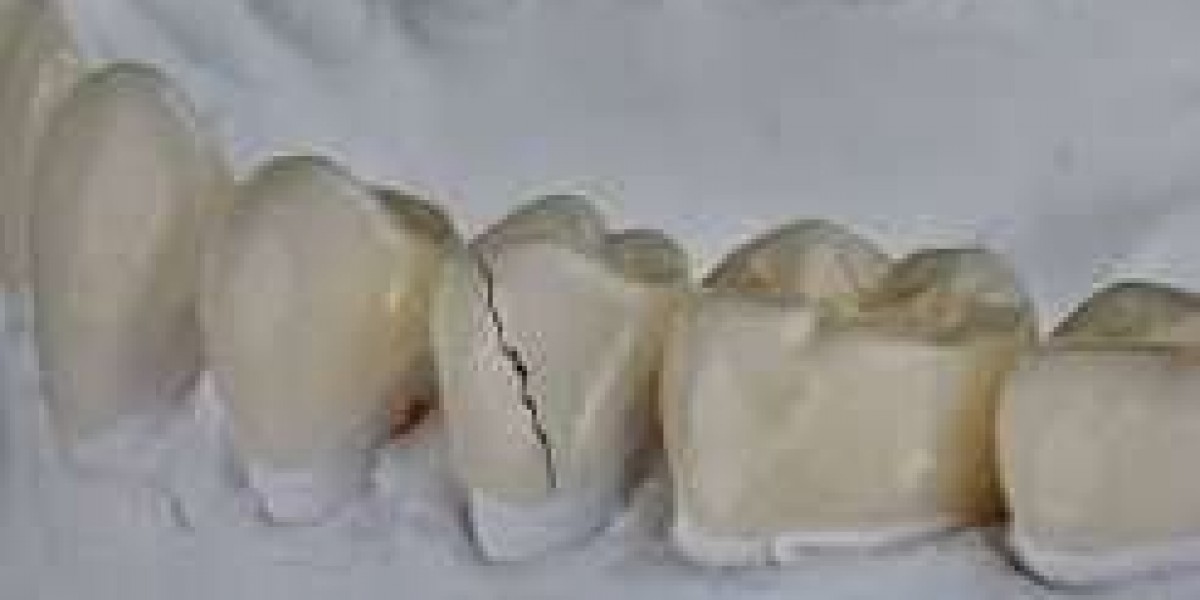

Biting into something and feeling a sudden, sharp pain is never a good sign. Whether it happened while chewing on ice, biting into a piece of hard candy, or seemingly out of nowhere, a cracked tooth has a way of getting your attention fast — and once you notice it, it's hard to stop worrying about it.
The good news is that a cracked tooth doesn't automatically mean you're headed for an extraction. In many cases, a dental crown can repair the damage, protect the tooth from further harm, and let you go back to eating and smiling without a second thought. In this article, we'll explain how crowns treat cracked teeth, what types of cracks respond best to this treatment, and how to know when it's time to see a dentist.
Why Do Teeth Crack in the First Place?
Teeth are strong, but they're not indestructible. A number of everyday habits and circumstances can lead to a crack over time:
Chewing on hard foods or objects like ice, popcorn kernels, or hard candy
Teeth grinding or clenching (bruxism), especially at night
Large, old fillings that weaken the remaining tooth structure
Sudden trauma, such as a fall or a blow to the face
Temperature extremes, like biting into something hot right after something cold
Natural wear and aging, which makes enamel more brittle over the years
Because cracks can form gradually or happen in an instant, many people don't even realize their tooth is cracked until they start noticing symptoms.
Signs You Might Have a Cracked Tooth
Cracked teeth aren't always obvious to the naked eye — some cracks are tiny and hidden below the gumline or between teeth. Common warning signs include:
Sharp pain when chewing or biting down, especially when you release the bite
Sensitivity to hot, cold, or sweet foods that comes and goes
Pain that isn't constant, but flares up unpredictably
Swelling around a specific tooth
A visible line, chip, or fracture on the tooth surface
If any of this sounds familiar, it's worth having a dentist take a closer look before the crack has a chance to worsen.
How a Dental Crown Repairs a Cracked Tooth
A dental crown is a custom-made cap that fits over the entire visible portion of a tooth. Instead of trying to patch just the cracked area, a crown surrounds and reinforces the whole tooth, holding it together and preventing the crack from spreading further.
Here's why crowns work so well for cracked teeth:
They Distribute Chewing Pressure Evenly
A cracked tooth is vulnerable because pressure from biting and chewing can travel straight into the fracture, causing it to widen. A crown spreads that pressure evenly across the tooth's surface, taking the strain off the weakened area.
They Seal Out Bacteria and Decay
An exposed crack creates a pathway for bacteria to reach the inner layers of the tooth, which can lead to infection or the need for a root canal. A crown seals the tooth completely, protecting it from further contamination.
They Restore the Tooth's Natural Shape and Function
Cracks can change how a tooth feels when you bite down, sometimes throwing off your entire bite alignment. A crown rebuilds the tooth to its original shape and size, so chewing feels normal again.
They Offer a Long-Term, Durable Solution
Unlike a temporary fix, a properly fitted crown is designed to last for many years with proper care, giving you a reliable, long-lasting repair rather than a short-term patch.
What Type of Cracks Can a Crown Fix?
Not every crack is treated the same way, and the right approach depends on how severe and where the crack is located. Generally, cracks fall into a few categories:
Craze Lines
These are tiny, surface-level cracks in the enamel that are typically harmless and don't usually require treatment beyond monitoring.
Fractured Cusp
This happens when a small piece of the chewing surface breaks off, often around an existing filling. It's usually not painful and can often be repaired with a crown or a filling, depending on severity.
Cracked Tooth (Extending Toward the Root)
This type of crack runs vertically from the chewing surface downward but hasn't yet separated the tooth into two pieces. Catching this early is important — a crown can often stabilize the crack before it worsens, but if the crack has reached the pulp, a root canal may be needed first, followed by a crown.
Split Tooth
In more advanced cases, a crack can progress to the point where the tooth has fully separated into distinct segments. Unfortunately, once a tooth has split, it usually can't be saved with a crown alone, and extraction may be necessary.
Vertical Root Fracture
These cracks begin below the gumline in the root and often go unnoticed until infection sets in. Because they're harder to detect early, these tend to have a more limited range of treatment options.
The takeaway here is simple: the sooner a crack is treated, the more likely a crown alone can resolve the issue. Waiting too long can turn a straightforward repair into a more complicated treatment.
What Happens If You Ignore a Cracked Tooth?
It's tempting to wait it out, especially if the pain comes and goes rather than staying constant. But cracks don't heal on their own, and ignoring one can lead to:
The crack spreading deeper into the tooth
Infection or an abscess forming
Increased sensitivity and pain over time
The need for a root canal, or in severe cases, an extraction
Higher treatment costs down the line
Getting a crack evaluated as soon as you notice symptoms almost always means simpler, less invasive treatment.
What to Expect When Getting a Crown for a Cracked Tooth
If your dentist determines that a crown is the right treatment, here's a general overview of the process:
Examination. Your dentist will examine the crack, possibly using X-rays or a special dye to identify its exact size and location.
Tooth preparation. The tooth is gently reshaped to prepare it for the crown, and any damaged material is removed.
Impressions. A digital scan or mold of your tooth is taken to ensure your crown is custom-fit to your bite.
Temporary crown. A temporary crown is placed to protect the tooth while your permanent crown is being made.
Final placement. Once ready, your permanent crown is checked for fit and appearance, then cemented securely in place.
Most patients are back to normal eating and speaking almost immediately, with the treated tooth feeling just like the rest of their smile.
What If the Tooth Can't Be Saved?
In some cases, especially with a split tooth or advanced infection, a crown may not be enough to save the natural tooth. If that happens, your dentist will talk you through the next steps, which may include an extraction followed by a tooth replacement option. For patients missing one or more teeth, dental bridges are a reliable way to fill the gap, restoring both function and appearance with a secure, natural-looking result.
How to Protect Your Teeth from Cracking
While not every crack is preventable, a few habits can significantly lower your risk:
Avoid chewing on ice, hard candy, or non-food objects
Wear a night guard if you grind or clench your teeth
Wear a mouthguard during sports or high-impact activities
Don't use your teeth as tools to open packages
Keep up with regular dental checkups to catch small issues early
Don't Wait Until It Gets Worse
A cracked tooth might not seem urgent at first, especially if the discomfort is mild or occasional. But cracks tend to get worse with time, not better, and catching the problem early gives you the best chance of a simple, effective repair.
If you're dealing with tooth pain, sensitivity, or a visible crack, don't wait for it to become a bigger issue. Reach out to our team to schedule an evaluation, and we'll help determine whether a dental crown is the right solution to protect your tooth and get you back to your normal routine, pain-free.