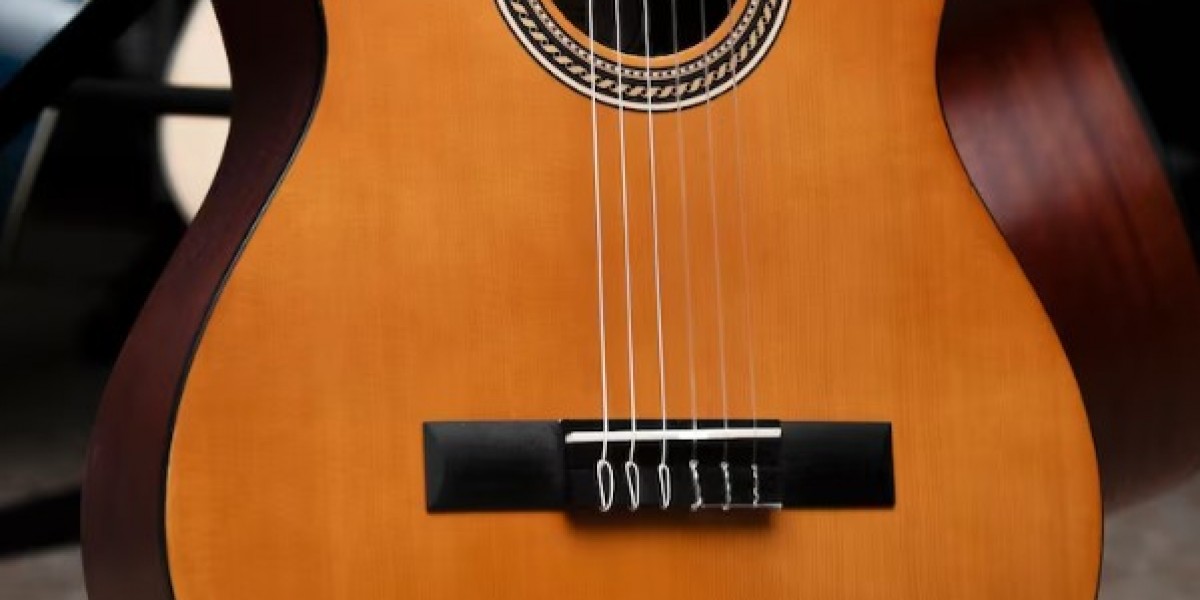

In the world of guitars, both acoustic and electric, design innovation is just as critical as tone and craftsmanship. One feature that has gained immense popularity among musicians is the Sharp Cutaway. This design element, often subtle yet transformative, significantly impacts playability, style, and overall performance. Whether you are a professional guitarist, a hobbyist, or simply a guitar enthusiast, understanding the importance of a Sharp Cutaway can enhance your appreciation for the instrument and guide your purchasing decisions.
What is a Sharp Cutaway?
A Sharp Cutaway refers to the distinct curve or indentation on the guitar body where the neck meets the body. This design allows players to reach higher frets more comfortably and with greater ease. While guitars traditionally had full-bodied designs, making access to upper frets difficult, the sharp cutaway revolutionized guitar playing by combining ergonomic benefits with aesthetic appeal.
Cutaways come in different styles—single, double, Venetian, Florentine, and more—but the sharp cutaway is distinguished by its pointed, sleek indentation, often giving the guitar a modern and aggressive look. This is in contrast to the rounded or softer cutaways that might emphasize vintage or classical aesthetics.
Historical Background
The concept of the cutaway dates back to the early 20th century, primarily in jazz and blues guitars, where soloing in higher registers became increasingly important. Guitar makers like Gibson and Martin experimented with various cutaway designs to improve accessibility. The Sharp Cutaway emerged as a more modern evolution, appealing to rock, metal, and contemporary acoustic players who value both functionality and striking visual design.
Benefits of a Sharp Cutaway
The Sharp Cutaway is more than just a stylistic choice; it has tangible advantages for guitarists:
1. Enhanced Upper-Fret Access
Perhaps the most significant benefit is the improved reach to higher frets. Musicians who perform solos or complex chord progressions benefit immensely from the sharp cutaway’s ergonomic design, allowing their fretting hand to navigate the neck without obstruction.
2. Modern Aesthetic Appeal
A sharp cutaway gives the guitar a sleek, aggressive, and contemporary appearance. It often conveys a sense of precision and performance, appealing to guitarists who want their instrument to reflect their musical identity.
3. Increased Comfort
For extended playing sessions, a sharp cutaway can reduce strain on the wrist and arm, particularly when performing intricate solos on upper frets. Its design allows for a natural hand position, minimizing fatigue.
4. Versatility Across Genres
From jazz and blues to rock, metal, and even acoustic fingerstyle, guitars with sharp cutaways accommodate a wide range of playing styles. Musicians who frequently switch between rhythm and lead roles find the design especially practical.
Sharp Cutaway in Acoustic Guitars
While electric guitars commonly feature sharp cutaways, acoustic guitars have also embraced this innovation. In acoustic models, a sharp cutaway ensures that fingerstyle players and soloists can reach frets that would otherwise be difficult to access.
Acoustic guitars with sharp cutaways often balance tonal richness with playability. Luthiers carefully craft the cutaway to maintain the body’s resonance while providing upper-fret accessibility. Premium models incorporate refined materials and precise shaping to ensure that the guitar’s acoustic performance is not compromised.
Sharp Cutaway in Electric Guitars
Electric guitars benefit greatly from sharp cutaways. In fact, iconic electric guitars like the Fender Stratocaster and Gibson Les Paul variations showcase the advantages of this design. Lead guitarists, especially in genres like rock, metal, and progressive music, often rely on the sharp cutaway to execute fast, technical solos effortlessly.
The design is also aesthetically versatile. Depending on the body style and finish, a sharp cutaway can accentuate the guitar’s modern or aggressive persona, making it appealing for stage performance.
Choosing the Right Sharp Cutaway Guitar
When selecting a guitar with a Sharp Cutaway, consider several factors:
1. Neck Profile and Scale Length
The neck profile—whether slim, medium, or chunky—affects comfort. A sharp cutaway paired with a slim neck profile can make upper-fret playing effortless.
2. Body Shape
Different body shapes (dreadnought, concert, parlor, solid body) interact uniquely with the cutaway. Ensure the guitar’s body complements your playing style.
3. Tonewoods and Sound Quality
In acoustics, tonewoods influence resonance. A sharp cutaway should not compromise the tonal integrity of the instrument. Top-quality woods and craftsmanship help maintain a full, balanced sound.
4. Playing Style
Consider whether you primarily play lead or rhythm guitar. A sharp cutaway is more advantageous for lead players focusing on solos, though it also benefits fingerstyle and hybrid players.
5. Personal Aesthetics
The sharp cutaway contributes significantly to the guitar’s visual appeal. Select a design that aligns with your personality and stage presence.
Maintenance and Care
Guitars with sharp cutaways require the same maintenance as standard guitars, including:
- Regular cleaning and polishing to preserve the finish.
- Checking and adjusting the neck and frets for optimal playability.
- Using a proper guitar case to protect the pointed cutaway from impacts.
Since the sharp cutaway often exposes more wood edges, careful handling during transport and storage is essential to prevent chips or scratches.
Notable Guitar Models with Sharp Cutaways
Many renowned guitars feature sharp cutaways, popular among professionals and hobbyists alike. Some examples include:
- Gibson Les Paul Custom: Known for its double cutaway design, offering smooth upper-fret access and classic rock tones.
- Fender Stratocaster: The iconic single sharp cutaway design is legendary in electric guitar history.
- Taylor 814ce: A premier acoustic with a sharp Venetian cutaway, perfect for fingerstyle playing.
- Ibanez RG Series: Modern metal guitars designed with aggressive sharp cutaways for technical solos.
These instruments demonstrate that the sharp cutaway is not just a functional choice but also a hallmark of professional-grade guitars.
Conclusion
The Sharp Cutaway represents a thoughtful blend of ergonomics, style, and innovation in guitar design. By enabling better upper-fret access, enhancing comfort, and elevating visual appeal, this design feature caters to modern musicians who demand both performance and aesthetics.
Whether you are a seasoned guitarist looking to expand your expressive range, or a beginner searching for a guitar that combines playability with modern style, a guitar with a sharp cutaway is an excellent choice. Its versatility across genres, combined with its ergonomic benefits, ensures that musicians can perform with confidence and creativity.