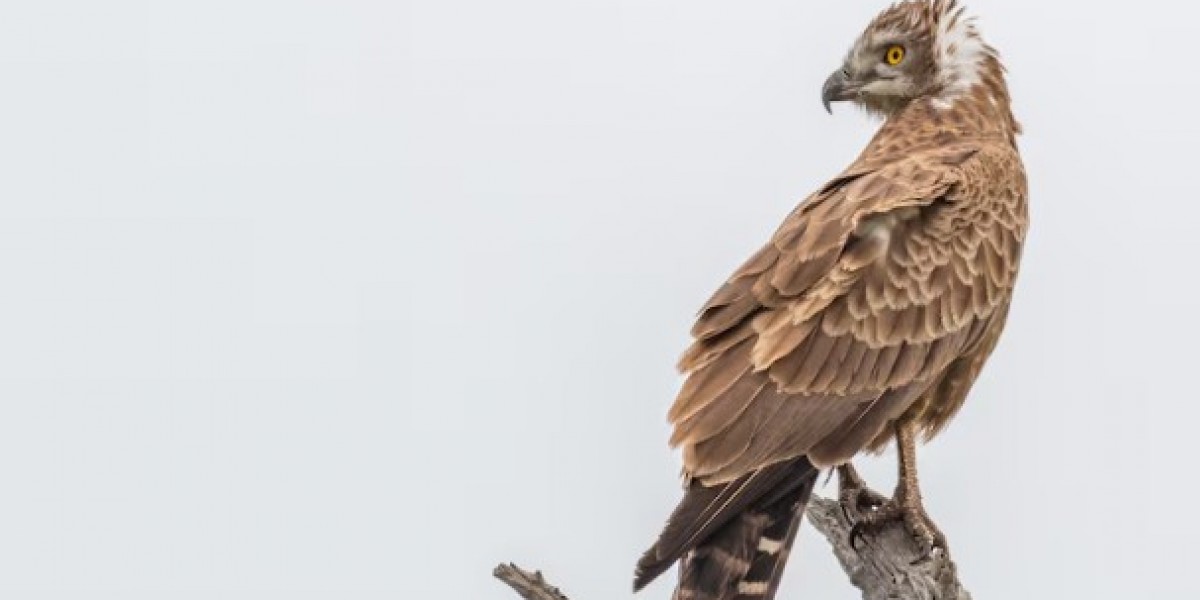

Bird taxidermy is the meticulous art and science of preserving birds for display, education, or scientific purposes. Unlike other forms of taxidermy, bird taxidermy requires a unique blend of anatomical understanding, artistic skill, and precision, as birds are delicate creatures with fragile bones, lightweight feathers, and intricate color patterns. This practice not only allows enthusiasts and researchers to enjoy the beauty of birds up close but also plays a significant role in wildlife education and historical preservation.
The History of Bird Taxidermy
Bird taxidermy dates back centuries, with its origins closely tied to the rise of natural history collections in Europe. During the 17th and 18th centuries, wealthy collectors and naturalists sought to preserve exotic birds brought back from explorations around the world. These preserved specimens were displayed in cabinets of curiosity, giving people a chance to study species that they might never encounter in the wild.
As the field evolved, so did the techniques. Early methods often involved stuffing birds with sawdust or cotton, which could distort their natural form. Today, bird taxidermy is much more sophisticated, focusing on anatomical accuracy, realistic posture, and natural coloration. Museums and scientific institutions now use taxidermy to educate the public about bird species, their habitats, and their ecological significance.
Techniques in Bird Taxidermy
Creating a lifelike bird requires a combination of patience, skill, and knowledge. The process generally involves several steps:
1. Specimen Preparation
The first step in bird taxidermy is selecting a specimen. Whether obtained legally through hunting, natural deaths, or rehabilitation centers, the bird must be handled carefully. Once acquired, the skin and feathers are carefully preserved, while internal tissues are removed. This step is delicate because birds have thin, fragile skin and lightweight bones.
2. Cleaning and Preserving
After removing the internal tissues, the skin is cleaned thoroughly and treated with preservatives to prevent decay. Modern taxidermists often use chemicals that protect the feathers and skin from insects and bacterial growth. This ensures the specimen remains intact for years, allowing for long-term display or study.
3. Form Creation
A critical step in bird taxidermy is creating the internal form or mannequin that supports the skin. Historically, taxidermists used cotton, wood wool, or wire to shape the bird. Today, polyurethane foam and custom molds are commonly used to provide a lightweight, durable structure that accurately represents the bird’s natural posture.
4. Mounting and Posing
Once the form is ready, the skin is carefully fitted over it. The taxidermist adjusts the feathers, wings, and tail to achieve a natural pose. This step requires artistic skill, as the goal is to make the bird appear alive, often capturing motion such as perching, flying, or calling. Eyes are typically replaced with glass or acrylic replicas to create a lifelike appearance.
5. Finishing Touches
The final touches involve meticulous attention to detail. Taxidermists may use airbrushing or pigments to enhance the bird’s coloration, ensure symmetry, and restore vibrancy lost during preservation. Feathers are carefully fluffed and positioned, giving the specimen a realistic and lifelike look.
Applications of Bird Taxidermy
Bird taxidermy serves multiple purposes across various fields:
1. Education
Museums and educational institutions frequently use taxidermy birds to teach people about avian anatomy, behavior, and biodiversity. A lifelike specimen can demonstrate features such as wing structure, beak shape, and feather patterns, making learning more interactive and tangible.
2. Scientific Research
Researchers and ornithologists rely on taxidermy specimens for scientific study. Preserved birds provide valuable data on morphology, plumage variations, and species evolution. These specimens also help scientists monitor environmental changes and the impact of human activity on bird populations over time.
3. Conservation Awareness
Bird taxidermy plays an essential role in conservation efforts. By displaying rare or endangered species, taxidermists and museums raise awareness about habitat loss, poaching, and climate change. Seeing a preserved specimen can evoke empathy and inspire action to protect these creatures in the wild.
4. Art and Personal Collection
Beyond educational and scientific purposes, bird taxidermy is appreciated as an art form. Collectors often commission or create custom mounts of birds, showcasing them in homes or offices. Artistic poses, realistic detailing, and attention to the bird’s natural environment make each piece a work of art.
Ethical Considerations
Modern bird taxidermy emphasizes ethical practices. Specimens should be sourced legally, avoiding harm to wild populations. Many taxidermists now specialize in rehabilitating and preserving birds that have died naturally, ensuring that the art does not contribute to environmental harm. Additionally, awareness of endangered species and conservation laws guides the responsible practice of taxidermy.
Choosing a Bird Taxidermist
Selecting a skilled bird taxidermist is crucial for achieving a high-quality result. Experienced taxidermists combine anatomical knowledge, artistic skill, and patience to ensure the bird’s appearance is both lifelike and durable. Customers should consider the taxidermist’s portfolio, reputation, and adherence to ethical standards. Many taxidermists also offer custom designs, such as creating naturalistic perches or habitat displays that enhance the bird’s presentation.
Bird Taxidermy as a Hobby
For enthusiasts, bird taxidermy can be a fulfilling hobby. It allows people to study birds closely, improve artistic skills, and preserve memories of hunting or birdwatching experiences. Beginners can start with basic training, learning the anatomy and safe handling techniques, before advancing to more complex projects. Bird taxidermy clubs and workshops also provide guidance, fostering a community of learners who share tips and expertise.
Preservation Challenges
Bird taxidermy is not without challenges. Feathers are susceptible to fading, mold, and insect damage, while the delicate bones and skin can deteriorate over time if not stored correctly. Proper environmental conditions, such as controlled humidity, low light, and safe display cases, are essential for long-term preservation. Regular maintenance, including dusting and careful inspection, helps maintain the integrity of the specimen.
The Future of Bird Taxidermy
Advancements in taxidermy materials and techniques are making bird taxidermy more accessible and realistic than ever. Synthetic forms, improved preservatives, and 3D modeling technologies allow taxidermists to create highly accurate replicas without relying solely on natural specimens. Additionally, virtual and augmented reality applications may one day complement physical taxidermy, providing interactive learning experiences while minimizing environmental impact.
Conclusion
Bird taxidermy is a fascinating blend of art, science, and conservation. It preserves the beauty and diversity of avian life, educates the public, and contributes to scientific research. Whether practiced professionally or as a hobby, it requires dedication, skill, and ethical responsibility. Each mounted bird tells a story—not only of the species itself but of our enduring curiosity and admiration for the natural world.
For those passionate about birds, bird taxidermy offers a unique way to capture and celebrate their elegance, color, and form, ensuring that these magnificent creatures can be appreciated by generations to come.