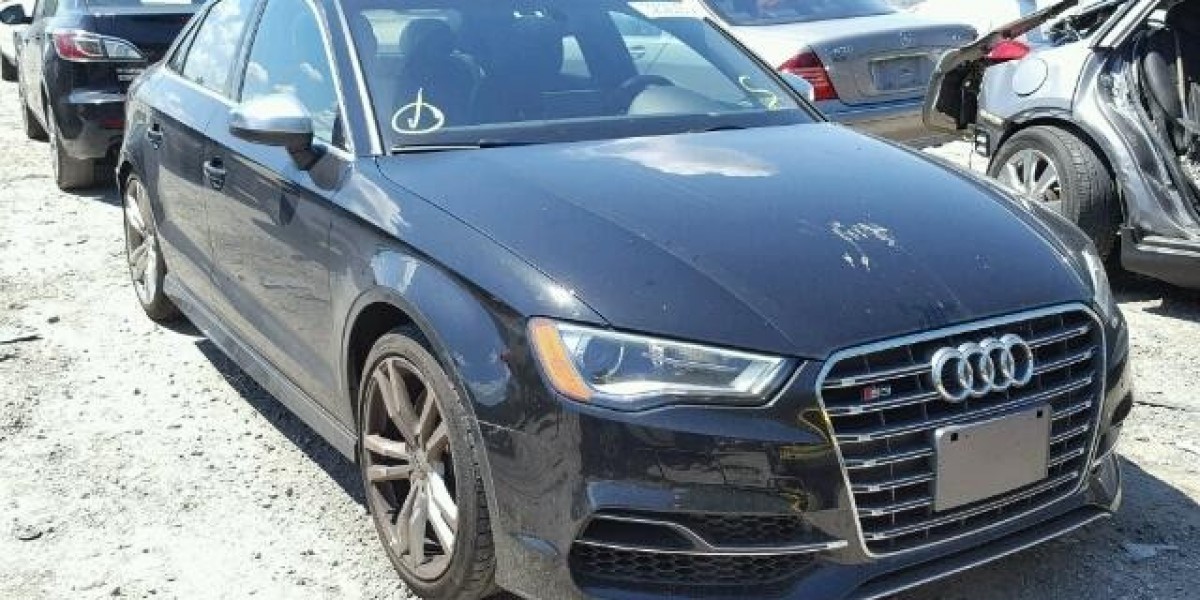

Owning a car for many years is common across Australia. Many people keep driving the same vehicle until repairs become frequent or the car stops running altogether. While this may seem practical at first, holding on to an old car for too long often creates larger issues. Selling an ageing vehicle earlier can prevent financial loss, safety risks, and legal trouble. This article explains why acting sooner rather than later can protect both your wallet and your peace of mind.
The Hidden Cost of Keeping an Old Car
An old car may appear manageable on the surface. It might still start, drive short distances, and meet daily needs. The real issue lies beneath the bonnet and under the body.
As cars age, parts wear down together rather than one at a time. When one system fails, others often follow. For example, a worn timing belt may lead to engine damage. A failing cooling system can cause overheating, which then damages the head gasket. These repairs cost far more than many owners expect.
According to Australian automotive service data, repair costs on vehicles over ten years old can rise by more than forty percent compared to newer models. This pattern shows that delaying a sale often results in higher spending with no long-term return.
Safety Risks Increase Over Time
Older cars lack many safety features found in newer vehicles. While airbags and seatbelts may still function, other systems may not perform as designed.
Common safety concerns include:
Brake lines weakened by rust
Suspension parts losing strength
Tyres wearing unevenly due to alignment issues
Electrical faults affecting lights or indicators
In Queensland, roadworthy standards require vehicles to remain safe for use on public roads. A car that fails unexpectedly can place drivers, passengers, and other road users at risk. Selling the vehicle earlier helps avoid driving under unsafe conditions.
Registration and Compliance Problems
In Brisbane and across Queensland, vehicle owners must maintain registration and compulsory third-party insurance. Older cars are more likely to fail inspections when renewal is due.
Common reasons include:
Oil leaks
Excessive exhaust smoke
Brake imbalance
Structural rust
When a car fails inspection, owners face repair bills or loss of registration. An unregistered vehicle parked on private property may still attract council attention. Selling the car before it reaches this stage removes these concerns.
Declining Resale Potential
Every year a car remains unused or poorly maintained, its resale worth drops. Buyers look at age, mileage, service history, and overall condition. Once a vehicle becomes a non-runner, private sale options become limited.
Early sale allows owners to recover more money while the car still holds usable parts and recyclable materials. Waiting until the car completely fails often results in a lower return.
Environmental Impact of Delayed Action
Old cars release more emissions due to worn engines and outdated fuel systems. Studies from Australian transport authorities show that older vehicles can produce up to three times more pollutants than modern cars.
Oil leaks, coolant loss, and battery disposal also affect soil and water when vehicles sit unused. Selling an old car earlier allows it to enter the recycling chain sooner, where metals and components are reused under regulated conditions.
Storage and Space Issues
Many Brisbane households keep unused cars in driveways, garages, or yards. Over time, these vehicles become eyesores and take up valuable space.
Local councils can issue notices if vehicles appear abandoned or unsafe. Removing the car earlier prevents disputes with neighbours and avoids council involvement.
Financial Planning Becomes Clearer
An ageing car often creates uncertainty. Owners may wonder whether the next breakdown will be minor or severe. This uncertainty makes budgeting difficult.
Selling earlier provides clarity. Funds received can be redirected towards transport alternatives, savings, or other household needs. Planning becomes more predictable once the burden of an ageing vehicle is removed.
Emotional Attachment Versus Practical Thinking
Many Australians keep cars due to sentimental reasons. A vehicle may hold memories of family trips, first jobs, or long commutes. While these feelings are understandable, mechanical decline does not stop for nostalgia.
Letting go earlier allows owners to control the decision rather than being forced by a breakdown or accident. This sense of choice often makes the process easier to accept.
Legal Liability Risks
If an old car causes an accident due to mechanical failure, the owner may face legal consequences. Even if the car passes basic inspection, worn components can still fail without warning.
Selling the car before these risks arise reduces liability concerns. It also removes the responsibility of maintaining ageing systems that no longer perform as intended.
A Logical Step for Non-Running Vehicles
When a car starts showing signs of major failure, such as engine noise, transmission slip, or repeated warning lights, the cost of repair often outweighs future use. At this stage, many owners look for options to sell rather than repair.
This is where services that focus on non-running vehicles become part of the broader solution. One example is sell your non runner car Brisbane, which connects ageing vehicles with recycling and parts recovery rather than leaving them to deteriorate further. This approach aligns with the natural life cycle of a vehicle and allows owners to move forward.
Real Example from Brisbane
A Brisbane resident owned a fifteen-year-old sedan used mainly for short trips. Over twelve months, the car required brake repairs, cooling system work, and electrical fixes. The total cost exceeded three thousand dollars.
Six months later, the engine developed a serious fault. At that point, the car no longer held strong resale interest. If the vehicle had been sold earlier, the owner would have avoided repeated expenses and recovered more money.
This situation reflects a common pattern seen across older vehicles.
Long-Term Outlook for Old Cars in Australia
Australia continues to move towards cleaner transport and stronger recycling standards. Older vehicles will face tighter scrutiny over emissions and safety. This trend suggests that keeping ageing cars for long periods will become less practical.
Selling earlier aligns with these changes and supports responsible vehicle management.
Final Thoughts
Selling an old car early is not about rushing a decision. It is about recognising the point where ownership shifts from useful to costly. By acting before problems grow, owners avoid safety risks, rising repair bills, legal trouble, and environmental harm.
An ageing car will always reach the end of its useful life. Choosing when that moment arrives gives owners control, clarity, and peace of mind.