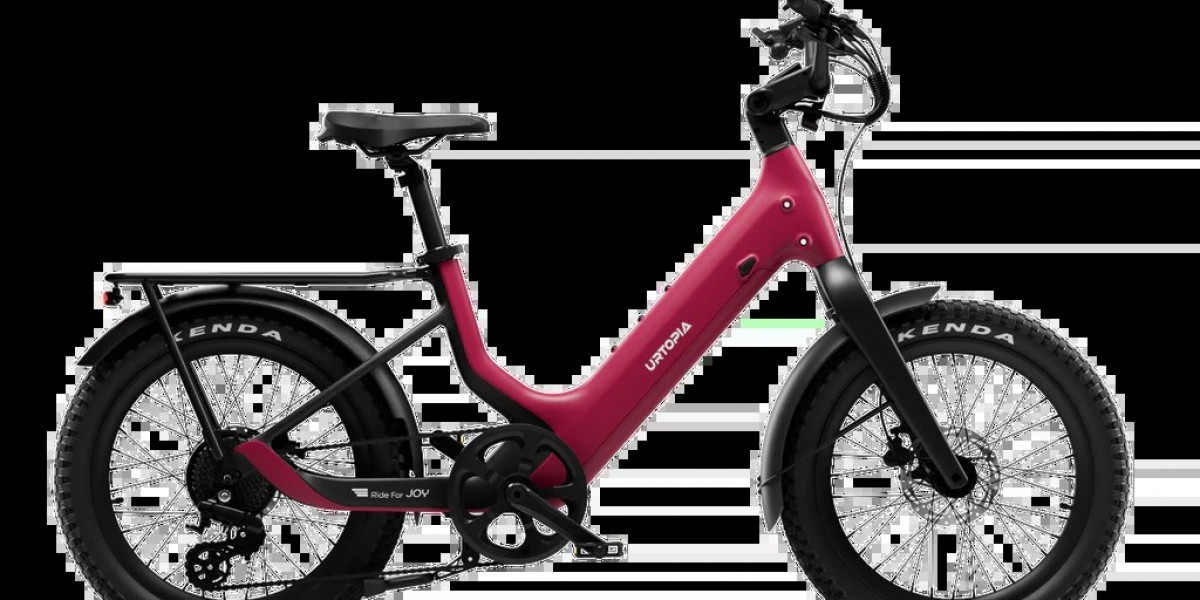

E bikes are revolutionizing personal transportation by combining the convenience of traditional cycling with electric assistance. In urban and suburban environments, traffic congestion, limited parking, and long travel distances can make commuting challenging. Electric bikes provide a practical solution by offering pedal assistance, increased range, and ease of handling, allowing riders to navigate busy streets with efficiency and comfort. This new approach to mobility makes everyday travel faster, safer, and more environmentally friendly.
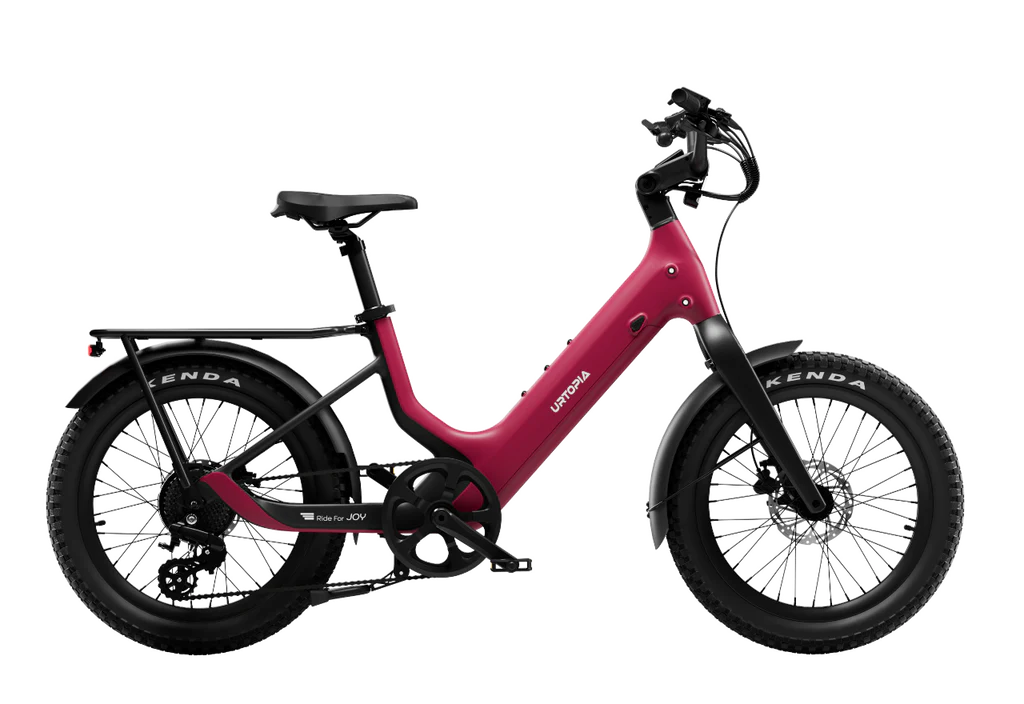
The rise of e bikes is not limited to commuters. Recreational riders, students, and even older adults are embracing electric bikes because they provide a way to enjoy longer rides with less physical strain. Modern e bikes are lightweight, powerful, and versatile, allowing riders to customize their experience according to fitness level, terrain, and travel distance. The combination of convenience and performance has positioned e bikes as an essential mode of transportation in today’s fast-paced cities.
Understanding the technology behind e bikes
e bikes integrate a motor and battery system into a traditional bicycle frame, providing pedal assistance or throttle-based propulsion. Pedal-assist systems detect pedaling motion and activate the motor to reduce effort, while some models offer full motor assistance at the push of a throttle. These systems make uphill rides, long commutes, and extended trips more accessible for riders of all abilities.
The use of lightweight frames, often made from aluminum or carbon fiber, helps maintain balance and maneuverability. Lithium-ion batteries provide long-lasting energy and can be recharged quickly, allowing riders to travel 30 to 70 miles on a single charge depending on terrain and riding conditions. Hub and mid-drive motors deliver efficient power while keeping the overall weight manageable, ensuring that performance is maintained without compromising portability.
Advantages of using e bikes
E bikes provide numerous benefits for urban commuters and recreational cyclists alike. Their motorized assistance reduces physical strain, making it easier to cover longer distances or navigate hilly terrain. Adjustable pedal-assist modes allow riders to control the level of effort required, accommodating different fitness levels and preferences. This flexibility makes e bikes suitable for daily commuting, weekend rides, or multi-modal travel.
Portability is another major advantage. Many modern e bikes are lightweight and compact, allowing them to be stored in apartments, offices, or on public transportation. Riders can combine cycling with other modes of travel, such as trains or buses, without difficulty. Additionally, the efficiency of e bikes reduces energy consumption, maximizing battery life and extending travel range for practical daily use.
Comfort and performance on daily rides
Despite their lightweight construction, e bikes provide a comfortable and stable riding experience. Ergonomic seating, adjustable handlebars, and integrated suspension systems reduce strain and absorb shocks from uneven roads. The lightweight design enhances handling, allowing riders to make sharp turns, maintain balance, and respond quickly in urban traffic.
The combination of comfort and performance ensures that riders can maintain speed over longer distances without fatigue. E bikes allow a smoother and more controlled ride compared to traditional bicycles, making them ideal for commuters, recreational riders, and anyone seeking a more enjoyable cycling experience. These features also improve safety by giving riders better control in crowded or challenging conditions.
Environmental and economic benefits
E bikes offer clear environmental advantages. They reduce reliance on cars for short trips, lowering carbon emissions and minimizing air pollution. Charging an e bike using renewable electricity further enhances sustainability, supporting cleaner and quieter urban spaces. E bikes are particularly beneficial in cities aiming to reduce traffic congestion and promote greener mobility options.
Economically, e bikes are cost-effective. They require minimal maintenance, no fuel, and eliminate parking or insurance fees. The long-term savings, combined with the durability of modern e bikes, make them a practical investment for daily commuting or recreational use. Riders can enjoy both financial benefits and sustainable transportation simultaneously.
Health and fitness advantages
Even with electric assistance, e bikes promote physical activity. Pedaling strengthens muscles, improves cardiovascular health, and builds endurance. The motor reduces strain, allowing riders to enjoy longer rides without exhaustion, making e bikes suitable for all fitness levels. Incorporating cycling into daily routines supports both physical health and overall well-being.
Additionally, e bikes contribute to mental health. Outdoor cycling reduces stress, enhances mood, and encourages a balanced lifestyle. Their ease of use and comfort make it simpler to integrate cycling into daily life, supporting consistent physical activity while reducing fatigue and promoting a healthier routine.
Versatility and types of e bikes
E bikes come in a variety of models designed to meet different riding needs. Urban e bikes focus on comfort, efficiency, and portability for daily commuting. Mountain e bikes provide durability and suspension for off-road adventures. Folding e bikes are compact and portable, ideal for apartments or public transit users. Cargo e bikes offer extra carrying capacity for transporting goods or children. This versatility ensures that every rider can find an e bike that matches their lifestyle and environment.
Technological advancements enhancing e bikes
Recent technological advancements have improved the performance, reliability, and usability of e bikes. Motors are more efficient and lightweight, while batteries deliver longer ranges and faster charging. Smart displays provide real-time information about speed, battery life, and distance, while connectivity features allow route tracking, performance monitoring, and security alerts. These improvements make e bikes safer, more convenient, and increasingly appealing for daily use.
Future of e bikes in urban mobility
As cities continue to develop cycling infrastructure and promote sustainable transportation, e bikes are poised to become a mainstream commuting option. Their portability, efficiency, and eco-friendly design address the challenges of modern urban travel. Technological advancements, growing environmental awareness, and the need for flexible mobility solutions will continue to drive the adoption of e bikes worldwide, making them a central part of urban transportation strategies.
Conclusion
E bikes offer a practical, efficient, and environmentally friendly mode of transportation for commuters and recreational riders alike. Their combination of motorized assistance, lightweight design, and ergonomic features provides comfort, performance, and convenience. Riders benefit from health improvements, reduced travel costs, and a positive environmental impact. As urban areas embrace greener mobility solutions and technology continues to advance, e bikes are set to become an essential component of everyday transportation, offering flexibility, sustainability, and an enjoyable riding experience for all.