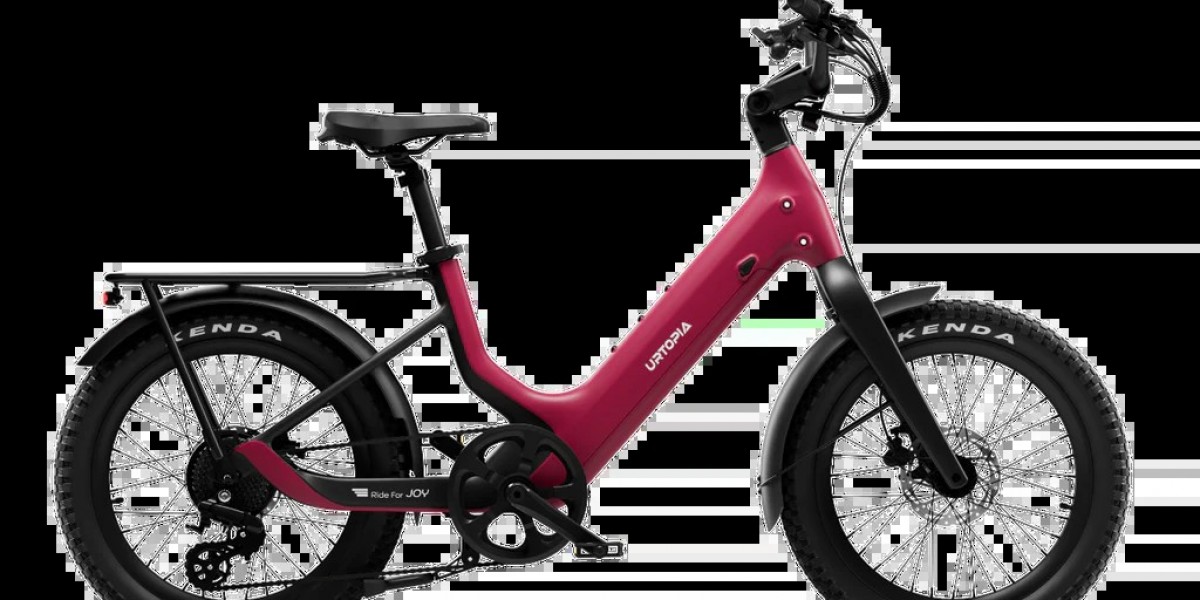

E bikes have emerged as a revolutionary solution for modern transportation, offering a combination of traditional cycling and electric assistance that appeals to a wide range of riders. Urban commuters, leisure cyclists, and environmentally conscious individuals are increasingly turning to e bikes for their daily travel needs. The integration of an electric motor and rechargeable battery allows riders to cover longer distances, tackle challenging terrains, and navigate city streets with less physical strain, making e bikes a practical alternative to cars and motorcycles.
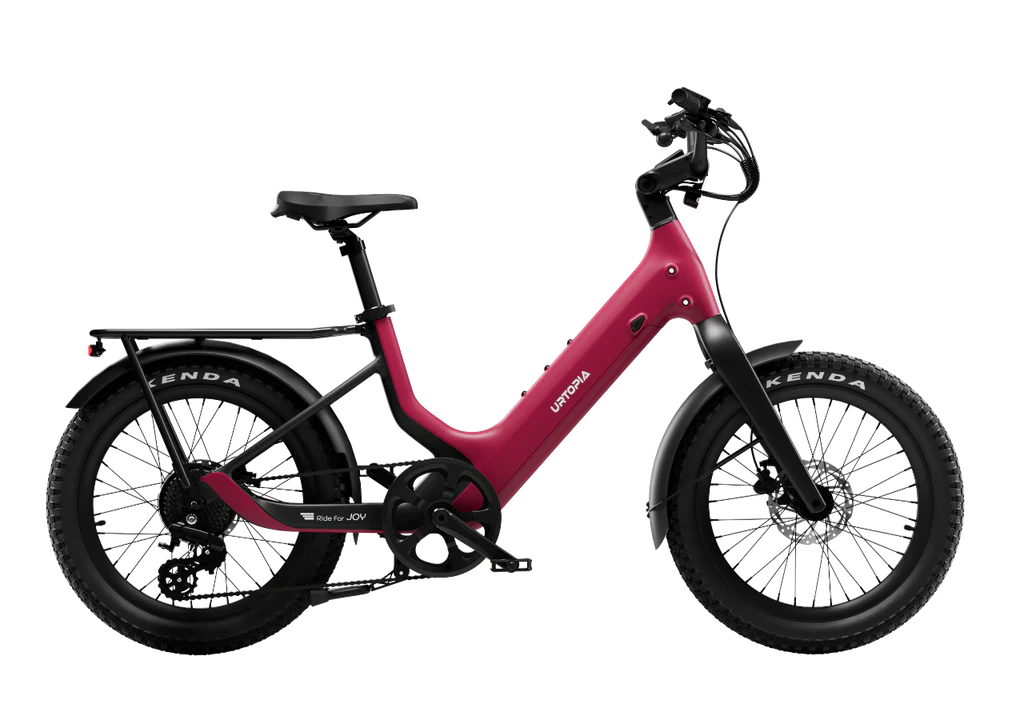
The growing popularity of e bikes can be attributed to their ability to save time, reduce commuting stress, and provide an enjoyable riding experience. These bicycles allow riders to maintain speed effortlessly, climb hills without excessive exertion, and carry loads with minimal effort. As a result, e bikes are not just a trend but a long-term solution for sustainable mobility.
Understanding the mechanics of e bikes
E bikes function through a combination of pedal assistance and an electric motor. When the rider pedals, the motor activates to provide extra power, reducing effort and increasing speed. Some models also include throttle control, which enables motorized propulsion without pedaling. The integration of these systems allows for a seamless riding experience that adapts to the needs of each rider.
Modern e bikes typically rely on lightweight lithium-ion batteries, which offer long-lasting energy, fast charging, and compact design. The range of an e bike depends on factors such as battery capacity, terrain, rider weight, and level of assistance. High-quality e bikes can travel between 30 to 80 miles on a single charge, making them suitable for commuting, recreational rides, and errands around the city.
Comfort and efficiency in daily use
One of the most significant advantages of e bikes is their ability to combine comfort with efficiency. Riders can travel longer distances without excessive fatigue, making them ideal for commuting to work, running errands, or exploring urban and suburban areas. Adjustable assistance levels allow riders to customize the effort they put into pedaling, which makes e bikes suitable for people of all ages and fitness levels.
Electric bikes are also highly convenient for urban environments. They are easier to park, store, and transport than cars or motorcycles. Many models can be folded for compact storage or carried onto public transport, providing flexibility that traditional bicycles or vehicles cannot offer. This portability adds a practical dimension to the everyday use of e bikes.
Financial and environmental benefits
Investing in an e bike can provide both financial and environmental advantages. Unlike cars, e bikes require no fuel, have minimal maintenance costs, and do not need insurance or parking fees. Over time, these savings make electric bikes a cost-effective transportation option.
From an environmental perspective, e bikes produce zero direct emissions, helping reduce air pollution in crowded cities. Using an e bike instead of a car for short trips contributes to a smaller carbon footprint, promoting cleaner urban environments. The lightweight construction of modern e bikes also reduces material usage, making them a more sustainable choice compared to conventional vehicles.
Health advantages offered by e bikes
Despite the motorized assistance, e bikes encourage physical activity. Pedaling provides cardiovascular exercise, strengthens muscles, and improves endurance. The electric assistance reduces strain, allowing riders to enjoy longer rides without exhaustion. This makes e bikes suitable for a broad range of fitness levels and age groups.
In addition to physical benefits, riding an e bike has positive effects on mental well-being. Regular cycling outdoors can reduce stress, improve mood, and enhance overall quality of life. For many, switching from a car commute to an electric bike ride offers a refreshing break from daily routines and urban stress.
Different types of e bikes for diverse needs
E bikes come in a variety of designs to cater to different lifestyles and terrains. City e bikes focus on comfort, efficiency, and ease of use, making them perfect for daily commuting and short trips. Mountain electric bikes are built with reinforced frames and suspension systems to handle rough trails and challenging terrain. Folding e bikes are compact and portable, ideal for urban dwellers with limited storage or who rely on public transportation. Cargo electric bikes provide extra load capacity, supporting families and small businesses in a sustainable way. This versatility ensures that riders can find an e bike suited to their specific needs.
Technological advancements shaping e bikes
The e bike industry continues to innovate, making rides safer, more efficient, and more enjoyable. Advanced display systems show real-time information such as speed, battery life, and distance traveled. Many electric bikes now connect to mobile applications, offering route tracking, performance metrics, and anti-theft features. Improvements in battery and motor technology have increased range and reduced charging times, while lightweight materials enhance handling and efficiency. These advancements contribute to the growing adoption of e bikes worldwide.
Future impact of e bikes on urban mobility
As cities invest in cycling infrastructure, including dedicated bike lanes and secure parking, e bikes are set to play a significant role in urban mobility. Their ability to reduce traffic congestion, lower pollution levels, and promote healthier lifestyles positions electric bikes as an integral part of sustainable city planning. Continuous technological improvements, along with increased awareness of environmental issues, are likely to accelerate the widespread use of e bikes in the near future.
Conclusion
E bikes have transformed the way people think about transportation by combining convenience, sustainability, and health benefits in one practical solution. They offer an effective alternative to traditional vehicles for commuting, leisure, and daily errands, while also reducing environmental impact and promoting active lifestyles. As technology evolves and urban areas continue to support greener mobility, e bikes are set to become a central feature of modern transportation, offering riders efficiency, comfort, and freedom in every journey.
Click Here: http://newurtopia.com