Neurosurgery demands an uncompromising level of precision and reliability from every instrument used in the operating room. Surgeons operate in incredibly tight spaces where millimeters can define the success of a procedure. Among the vast array of tools available to modern medical professionals, few are as versatile and universally recognized in the field of neurology as the Penfield series. Specifically, the dissector penfield 4 stands out as a fundamental instrument designed for delicate tissue manipulation. This tool allows surgeons to navigate complex anatomical structures with confidence, ensuring that critical nerves and vessels remain protected during intricate operations.
Design Features Built for Accuracy
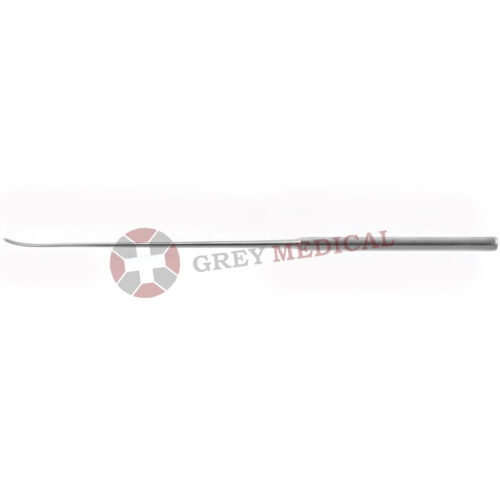
The specific architecture of this instrument sets it apart from other dissectors in the medical kit. It is typically characterized as a single-ended instrument that features a slightly curved, light blade. This design is not accidental but is engineered to provide the surgeon with maximum visibility and reach. The handle is often rounded or hexagonal to ensure a firm grip, reducing hand fatigue during long procedures. Because the instrument is relatively lightweight, it offers superior tactile feedback. This sensitivity is crucial when a surgeon needs to gauge the density of tissue or separate layers without causing unnecessary trauma to the surrounding area.
Primary Applications in Medical Procedures
While it is versatile, the primary function of this tool lies in dissection and manipulation. Surgeons frequently utilize the dissector penfield 4 for retracting, manipulating, and dissecting nerves and tissues. It is also commonly used to apply bone wax to stop bleeding in bone surfaces, a critical step in many cranial and spinal surgeries. The instrument’s width is perfectly balanced—not too sharp to cause accidental cutting, but firm enough to move tissue effectively. This balance makes it an indispensable asset during craniotomies and spinal column operations where the margin for error is non-existent.
Material Standards and Sterilization
High-quality surgical instruments must withstand rigorous sterilization processes without degrading. Most high-grade versions of this dissector are crafted from premium German or Japanese stainless steel. This material choice ensures that the dissector penfield 4 remains corrosion-resistant and maintains its structural integrity after repeated cycles in an autoclave. Durability is a key factor for hospitals and surgical centers looking to invest in long-term equipment. A tool that resists bending or pitting not only saves money over time but also ensures that the surgeon is working with a pristine instrument every single time they enter the operating theater.
GreyMedical® and the Standard of Excellence
When sourcing these critical instruments, the manufacturer’s reputation matters immensely. GreyMedical® is a privately owned medical technology company dedicated to innovation and excellence in the craft of surgical instruments. They understand that a tool is an extension of the surgeon’s hand. By focusing on precision engineering and strict quality control, they ensure that every dissector penfield 4 they produce meets the highest medical standards. Their commitment to the craft provides medical professionals with the assurance that their equipment will perform flawlessly under pressure.
Conclusion and Final Thoughts
The success of a surgical procedure often relies as much on the tools available as it does on the skill of the surgeon. The dissector penfield 4 remains a staple in neurosurgery because of its reliable design and multifunctional capability. From separating delicate tissues to hemostasis assistance, its role is vital. By choosing high-quality instruments from trusted providers like GreyMedical®, healthcare facilities ensure their surgical teams are equipped to save lives and improve patient outcomes with every operation.