
Hair loss is one of the most common aesthetic concerns among men and women today, affecting self-confidence and overall appearance. With modern medical advancements, two of the most effective hair restoration solutions are PRP therapy and hair transplant surgery. Many patients exploring PRP in Islamabad often wonder how it compares to a hair transplant and which option is better for their specific hair loss condition. Understanding the differences, benefits, and suitability of each treatment can help you make an informed decision.
Understanding Hair Loss and Its Causes
Hair loss can result from multiple factors such as genetics, hormonal imbalance, stress, nutritional deficiencies, aging, and medical conditions. Androgenetic alopecia, commonly known as male or female pattern baldness, is the most prevalent cause. Other contributing factors include postpartum hair loss, thyroid disorders, and scalp inflammation. The severity and pattern of hair loss play a crucial role in determining whether PRP therapy or hair transplantation is more suitable.
What Is PRP Hair Treatment?
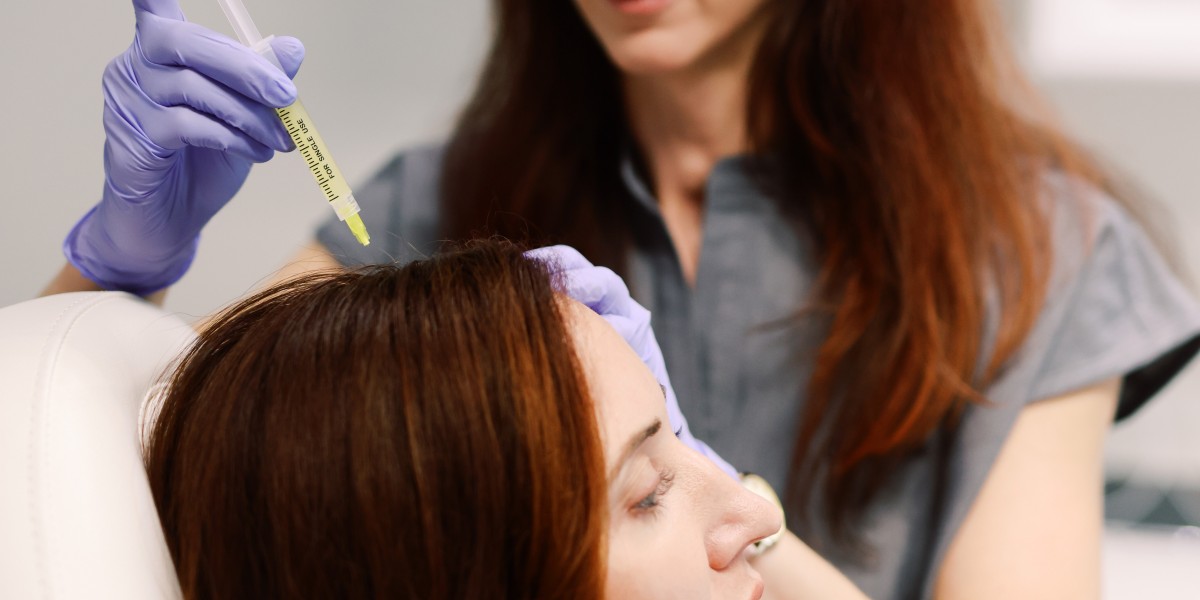
Platelet-Rich Plasma (PRP) therapy is a non-surgical hair restoration procedure that uses the patient’s own blood to stimulate natural hair growth. The blood is processed in a centrifuge to isolate platelets rich in growth factors. These growth factors help repair damaged hair follicles, improve blood circulation in the scalp, and extend the hair growth phase. PRP is widely used in dermatology and regenerative medicine due to its safety and natural mechanism.
How PRP Helps with Hair Loss
PRP works by revitalizing dormant hair follicles and strengthening existing ones. It improves scalp health, reduces excessive hair shedding, and enhances hair thickness over time. PRP is especially effective for early to moderate hair thinning, making it a popular choice for individuals who want to slow hair loss and improve hair density without undergoing surgery.
What Is a Hair Transplant?
A hair transplant is a surgical procedure that involves extracting healthy hair follicles from a donor area—usually the back or sides of the scalp—and implanting them into bald or thinning areas. The two most common techniques are Follicular Unit Extraction (FUE) and Follicular Unit Transplantation (FUT). Hair transplants are designed to provide permanent results for advanced hair loss by redistributing existing hair follicles.
How Hair Transplant Restores Hair
Unlike PRP, which stimulates existing follicles, a hair transplant physically moves hair follicles to bald areas. The transplanted follicles retain their genetic resistance to hair loss and continue to grow naturally. This makes hair transplantation an effective solution for individuals with significant bald patches or receding hairlines.
PRP vs Hair Transplant: Key Differences
PRP and hair transplant differ significantly in terms of approach and outcomes. PRP is a regenerative treatment that enhances natural hair growth, while a hair transplant is a surgical solution that replaces lost hair. PRP does not involve incisions or stitches, whereas hair transplantation requires surgical expertise and healing time. PRP is ideal for hair thinning, while hair transplants are better suited for extensive hair loss.
Effectiveness and Results Comparison
PRP delivers gradual improvements by strengthening hair follicles and improving scalp conditions. Results appear progressively and are best for patients with active but weak follicles. Hair transplant results are more dramatic, especially for bald areas, as new hair grows from transplanted follicles. However, PRP can also be used alongside hair transplants to improve graft survival and overall hair quality.
Safety and Risk Factors
PRP is considered extremely safe because it uses the patient’s own blood, minimizing the risk of allergic reactions or infections. Mild swelling or redness may occur temporarily. Hair transplantation, while generally safe when performed by experienced surgeons, carries surgical risks such as swelling, scarring, or temporary shedding. Choosing qualified professionals is essential for both procedures.
Recovery and Downtime
PRP therapy requires minimal downtime, allowing patients to resume daily activities almost immediately. Hair transplant recovery takes longer, as the scalp needs time to heal after surgery. Patients must follow post-procedure care instructions carefully to ensure optimal results.
Who Should Choose PRP?
PRP is best suited for individuals experiencing early hair loss, thinning hair, or excessive shedding. It is also an excellent option for patients who want to avoid surgery or maintain existing hair. PRP is commonly recommended for both men and women seeking natural hair rejuvenation.
Who Should Consider a Hair Transplant?
A hair transplant is more suitable for individuals with advanced baldness, receding hairlines, or permanent hair loss where follicles are no longer active. Patients with sufficient donor hair and realistic expectations tend to achieve the best outcomes.
Combining PRP with Hair Transplant
In many cases, PRP and hair transplant are not mutually exclusive. PRP is often used before or after a hair transplant to enhance healing, improve graft survival, and strengthen surrounding hair. This combination approach delivers more comprehensive and long-lasting results.
FAQs About PRP and Hair Transplant
Is PRP better than a hair transplant?
PRP is better for early hair loss and thinning, while hair transplant is more effective for advanced baldness.
Can PRP replace a hair transplant?
PRP cannot replace hair in completely bald areas but can significantly improve hair density where follicles are still active.
Are PRP results permanent?
PRP results are long-lasting with maintenance sessions and proper hair care.
Is hair transplant suitable for women?
Yes, hair transplantation can be effective for women with specific hair loss patterns and adequate donor hair.
Can both treatments be done together?
Yes, combining PRP with hair transplant often improves overall outcomes.
Final Thoughts
Choosing between PRP and hair transplant depends on the stage of hair loss, scalp condition, and individual goals. Both treatments offer effective solutions when performed under expert care. With advanced technology, experienced specialists, and personalized treatment plans, SKN Cosmetics continues to be a trusted destination for comprehensive hair restoration solutions in Pakistan.