
Digestive health depends largely on the balance of fiber, fluids, and overall diet quality. Fiber is essential for regular bowel movements, but the type and amount consumed can influence digestion differently for each individual. Some people experience smoother digestion with high-fiber foods, while others may notice discomfort if their body is not accustomed to them.
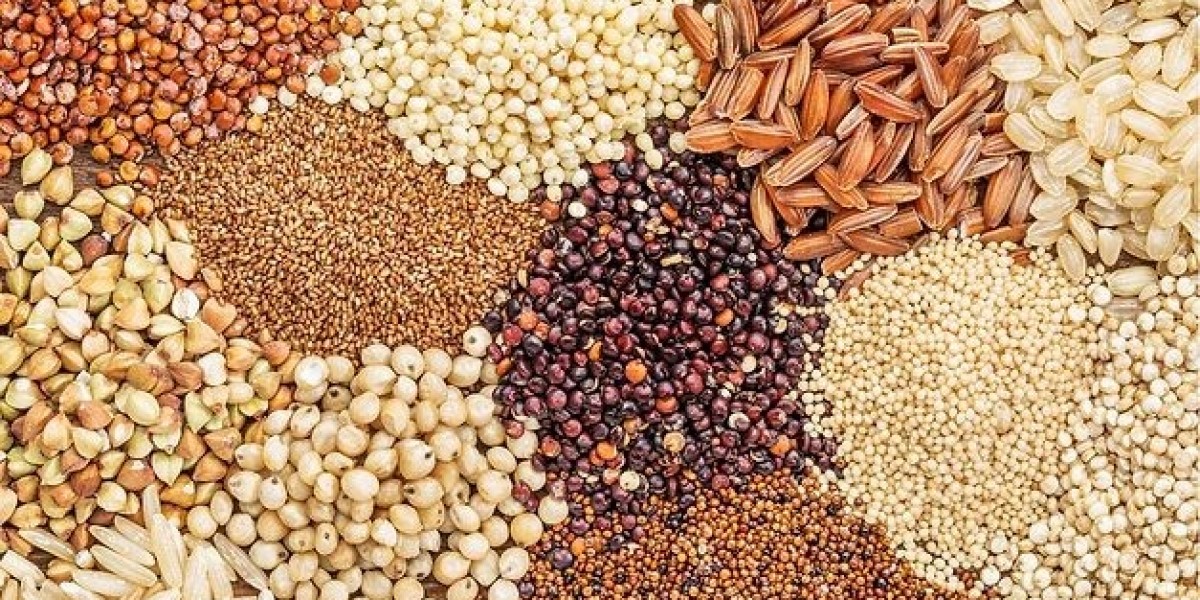
Traditional grains like millets are rich in fiber and are often recommended for gut health. However, sudden dietary changes can sometimes raise concerns about digestion.
Why People Associate Certain Foods With Constipation
Constipation is commonly linked to low fiber intake, dehydration, and lack of physical activity. In some cases, consuming high-fiber foods without adequate water can also slow digestion temporarily. This often leads people to blame specific foods rather than overall eating habits.
Understanding how the body responds to dietary fiber helps clarify whether a particular grain is truly responsible for digestive discomfort.
Does Bajra Cause Constipation? Addressing the Concern
The question Does Bajra Cause Constipation? often arises among people new to millet-based diets. Bajra, or pearl millet, is high in insoluble fiber, which generally supports bowel regularity. For most people, this fiber helps improve digestion rather than hinder it.
However, when bajra is introduced suddenly or consumed in large amounts without enough water, it may initially cause heaviness or slowed digestion.
Fiber Content and Its Role in Bowel Health
Bajra’s fiber adds bulk to stool and helps it pass more easily through the digestive tract. This process supports regular bowel movements and reduces the likelihood of constipation over time.
The key lies in gradual inclusion. Allowing the digestive system time to adjust helps the body make the most of bajra’s fiber benefits.
Importance of Hydration With High-Fiber Foods
Fiber works best when paired with adequate fluid intake. Without sufficient water, fiber can harden stool instead of softening it. People who experience constipation after eating bajra are often not drinking enough fluids throughout the day.
Maintaining hydration helps fiber do its job effectively and supports overall digestive comfort.
Preparation Methods That Affect Digestion
How bajra is prepared plays a significant role in how it affects digestion. Soaking or fermenting bajra before cooking improves its digestibility and reduces the chance of discomfort. Cooking it thoroughly also makes it easier for the body to process.
Combining bajra with vegetables, healthy fats, and probiotics further enhances digestive balance.
Individual Digestive Differences
Every digestive system is unique. While many people experience improved bowel regularity with bajra, others may feel heaviness if their gut is sensitive. Factors such as gut health, physical activity, and overall diet influence how the body responds.
Listening to your body and adjusting portion sizes helps prevent digestive issues.
When to Be Cautious With Bajra Consumption
People with existing digestive disorders or very slow metabolism should introduce bajra cautiously. Starting with small portions and increasing gradually allows the gut to adapt without stress.
If constipation persists despite proper hydration and preparation, consulting a nutrition expert is advisable.
Does Bajra Cause Constipation? A Balanced Perspective
Revisiting Does Bajra Cause Constipation?, the answer depends on how it is consumed. Bajra itself does not cause constipation for most individuals. Instead, improper preparation, lack of water, or sudden dietary changes are usually responsible for discomfort.
When included mindfully, bajra often supports better digestion rather than harming it.
Traditional Wisdom and Modern Eating Habits
Bajra has been part of traditional diets for centuries, especially in regions with hot climates. Its long history of consumption suggests that it is generally gut-friendly when prepared traditionally.
Modern lifestyles, however, require adapting portion sizes and preparation methods to suit current activity levels and hydration habits.
Final Thoughts on Bajra and Digestive Health
Bajra is a fiber-rich grain that can support healthy digestion when consumed correctly. It does not inherently cause constipation but requires proper hydration, preparation, and moderation. Gradual inclusion and mindful eating help maximize its benefits.
By understanding your body’s needs and maintaining balanced habits, bajra can become a valuable part of a digestion-friendly diet.