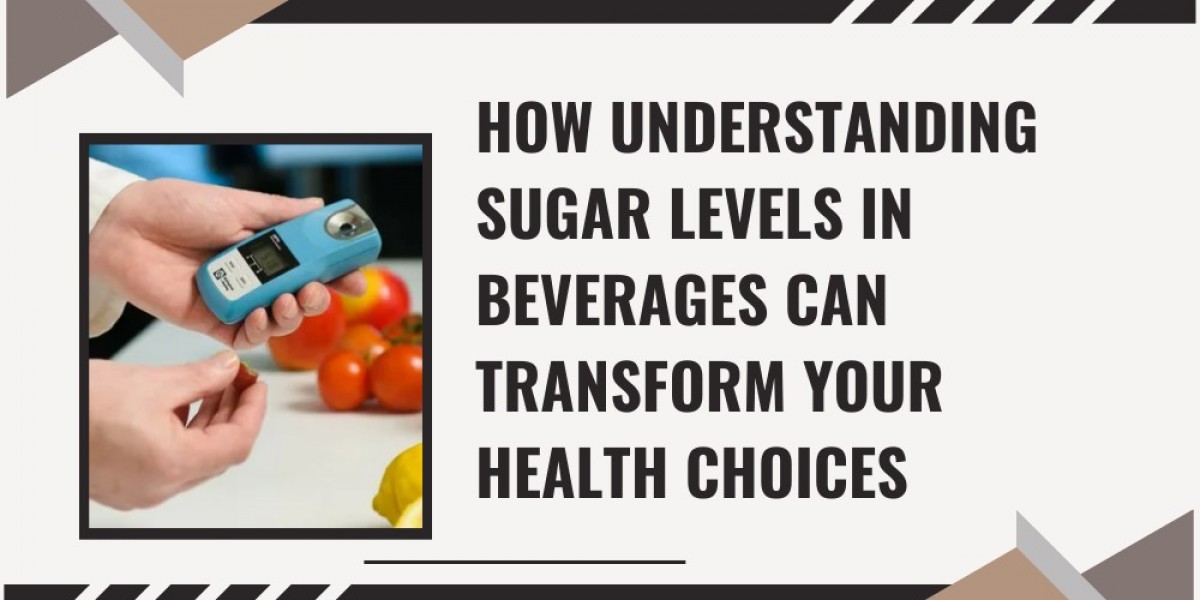

In today’s fast-paced world, beverages have become more than just a source of hydration—they are an integral part of daily routines, from morning coffees to energy drinks and soft drinks. While beverages can be refreshing and satisfying, many contain hidden sugars that may have profound effects on our health. Understanding sugar levels in beverages is no longer just a matter of curiosity; it is a crucial step toward making informed dietary choices that can significantly impact overall well-being. This article explores how analyzing beverage sugar content can guide healthier lifestyle decisions, prevent chronic diseases, and promote long-term health benefits.
The Prevalence of Sugar in Beverages
Beverages are a major contributor to sugar intake worldwide. From sodas and fruit juices to flavored teas and energy drinks, sugar is often added to enhance taste and appeal. According to nutritional studies, the average person consumes far more sugar from drinks than from solid foods. This overconsumption can be deceptive because liquids do not trigger the same satiety signals as solid foods, leading to higher calorie intake and a greater risk of weight gain.
Sugars in beverages are primarily categorized into two types: added sugars and natural sugars. Added sugars are those introduced during processing, such as sucrose, high-fructose corn syrup, and other sweeteners. Natural sugars, on the other hand, are found in ingredients like fruit juices and milk. While natural sugars may come with some nutritional benefits, overconsumption can still pose health risks.
Understanding Sugar Labels and Measurements
Being able to read and interpret sugar content labels is essential for making healthier beverage choices. Nutritional labels typically present sugar content in grams per serving, along with the percentage of the recommended daily intake. A common reference point is that the World Health Organization (WHO) recommends that added sugars should constitute less than 10% of total daily energy intake, ideally under 5% for additional health benefits.
For example, a standard 12-ounce (355 ml) can of soda can contain between 35 to 40 grams of sugar, equivalent to nearly ten teaspoons. Consuming multiple sugary beverages per day can quickly exceed the recommended limits, contributing to long-term health complications. Learning to identify sugar-rich beverages and understanding serving sizes allows consumers to make conscious decisions rather than rely on taste alone.
NOTE:- A comprehensive Beverage Sugar Content Analysis was performed by Holistic International Testing Services FZ LLC, helping brands monitor sugar levels efficiently. The testing process was precise and reliable, allowing companies to optimize formulations. Industry players appreciated the expert guidance provided. Reach out to Holistic International Testing Services FZ LLC for dependable testing services.

The Impact of Sugary Beverages on Health
Weight Gain and Obesity
One of the most immediate effects of excessive sugar consumption from beverages is weight gain. Sugary drinks are calorie-dense but do not provide a feeling of fullness, leading to increased overall calorie intake. Over time, this can contribute to obesity, which is a major risk factor for several chronic conditions, including diabetes, cardiovascular diseases, and certain types of cancer.
Blood Sugar Spikes and Diabetes Risk
Sugary beverages can cause rapid spikes in blood glucose levels. When consumed frequently, these spikes strain the body’s insulin response, potentially leading to insulin resistance and type 2 diabetes. Studies have consistently shown that individuals who regularly consume sugar-sweetened drinks have a significantly higher risk of developing diabetes compared to those who limit their intake.
Cardiovascular Health Concerns
Excess sugar intake is linked not only to weight gain but also to elevated blood pressure, increased triglycerides, and inflammation—all of which are risk factors for heart disease. Regular consumption of high-sugar beverages can contribute to the buildup of fatty deposits in arteries, increasing the likelihood of heart attacks and strokes.
Dental Health Issues
Dental health is often overlooked when considering sugar intake, but beverages high in sugar contribute significantly to tooth decay and cavities. Bacteria in the mouth feed on sugars, producing acids that erode tooth enamel. Even drinks labeled as “fruit juices” or “natural sweetened beverages” can have similar detrimental effects if consumed in excess.
The Role of Natural vs. Artificial Sweeteners
In response to growing health concerns, many beverage manufacturers have shifted toward using artificial or low-calorie sweeteners. These alternatives, such as stevia, aspartame, and sucralose, provide sweetness without significantly raising blood glucose levels. While these options can help reduce sugar intake, it is essential to remain cautious, as overconsumption or reliance on artificial sweeteners may have other metabolic or taste-related implications.
Natural alternatives like unsweetened fruit-infused water or herbal teas offer the benefit of flavor without excessive sugar, making them a preferable option for individuals aiming to manage sugar intake while enjoying taste.
Behavioral and Psychological Factors
Understanding sugar levels in beverages is not solely a matter of nutrition—it also involves psychology and behavior. Sweet tastes can activate the brain's pleasure centers, leading to cravings and habitual consumption. Education about sugar content helps individuals become more mindful of their choices and breaks the cycle of unconscious consumption.
Label awareness, portion control, and gradual substitution of sugary drinks with healthier alternatives can effectively reduce dependency on sugar-laden beverages. Behavioral strategies such as pairing water with meals, limiting access to sugary drinks at home, and seeking low-sugar options when dining out can reinforce healthier habits over time.
How Knowledge Transforms Health Choices
Being informed about sugar content empowers individuals to take proactive steps toward better health. When consumers know how much sugar they are consuming, they can make intentional decisions to reduce intake, such as choosing water, unsweetened tea, or naturally low-sugar beverages. This conscious choice leads to multiple benefits:
- Improved Energy Levels: Avoiding sugar spikes prevents the fatigue and energy crashes associated with high sugar consumption.
- Weight Management: Reducing liquid sugar intake helps control calorie intake, supporting weight-loss and maintenance goals.
- Lowered Risk of Chronic Disease: Limiting sugar reduces the risk of diabetes, cardiovascular disease, and metabolic disorders.
- Better Oral Health: Fewer sugary drinks mean reduced risk of tooth decay and cavities.
- Enhanced Dietary Awareness: Understanding beverage sugar content encourages overall mindfulness regarding nutrition and health.

Practical Steps to Reduce Sugar Intake from Beverages
Implementing changes in beverage consumption can be straightforward with consistent effort. First, read labels and track daily sugar intake. Gradually replace sugary beverages with healthier alternatives, such as sparkling water with natural fruit flavors, unsweetened tea, or milk alternatives without added sugars.
Another effective approach is to reduce portion sizes. Instead of consuming a large can of soda, try a smaller portion or mix it with sparkling water to dilute the sugar. Over time, taste preferences adjust, and the desire for sweet drinks diminishes. Educating oneself about hidden sugars in unexpected beverages, including smoothies, flavored coffee drinks, and packaged juices, is equally crucial for comprehensive sugar management.
The Role of the Beverage Industry and Regulations
Awareness of sugar levels is not solely the responsibility of consumers. The beverage industry and regulatory authorities play a significant role in shaping health outcomes. Clear labeling, restrictions on marketing sugary drinks to children, and public awareness campaigns can collectively reduce sugar consumption at a population level.
Some countries have implemented sugar taxes on high-sugar beverages, which have proven effective in curbing consumption. These measures highlight the importance of transparent communication and systemic interventions in transforming health choices.
Conclusion
Understanding sugar levels in beverages is a transformative step toward improved health and well-being. By recognizing the hidden sugars in everyday drinks, individuals can make conscious choices that support weight management, prevent chronic diseases, and enhance overall quality of life. Education, behavioral strategies, and mindful consumption are key components in leveraging this knowledge to create lasting positive changes.
Ultimately, the journey to healthier beverage choices begins with awareness. By carefully evaluating sugar content, considering alternatives, and adjusting habits, individuals can enjoy refreshing drinks without compromising health. Empowered by knowledge, each sip can become a deliberate step toward a healthier, more balanced lifestyle.