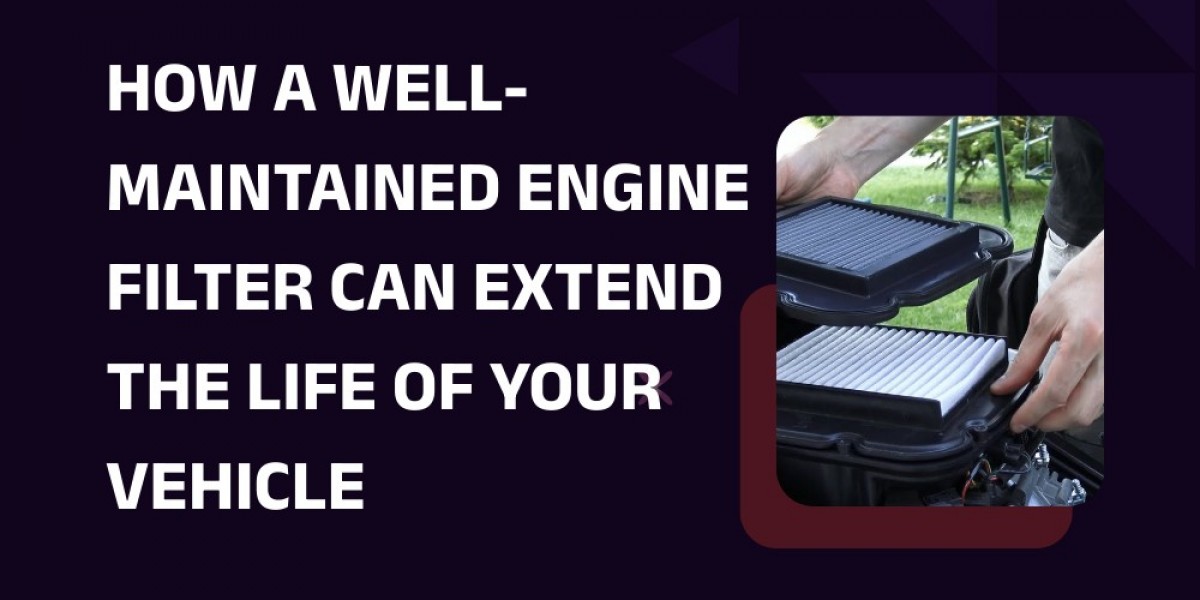

The engine is the heart of any vehicle, and its performance depends directly on the quality of the air, fuel, and oil it receives. Among these, the engine filter—responsible for filtering air and oil—is often overlooked. A well-maintained engine filter is not just a minor maintenance task; it is a critical component that ensures optimal engine performance, fuel efficiency, and long-term durability of your vehicle. Understanding the role of engine filters and the consequences of neglecting them can save vehicle owners significant repair costs and extend the life of their automobiles.
The Role of an Engine Filter in Vehicle Performance
An engine filter primarily comes in two forms: air filters and oil filters. Both serve distinct purposes, but their combined function is essential to maintaining the engine's efficiency and longevity.
Air Filters and Their Importance
The air filter prevents dust, dirt, and other airborne contaminants from entering the engine's combustion chamber. Without a proper air filter, these particles can cause abrasion of engine components, reduce combustion efficiency, and even result in severe mechanical damage over time. A clean air filter ensures that the engine receives a steady flow of clean air, which is vital for fuel combustion. Proper air-to-fuel ratios enhance performance, increase horsepower, and optimize fuel consumption.
Oil Filters and Engine Longevity
The oil filter removes impurities and debris from engine oil. Engine oil lubricates moving parts, reduces friction, and dissipates heat. Over time, oil collects dirt, metallic particles, and other contaminants. If the oil filter is clogged or ineffective, dirty oil circulates through the engine, accelerating wear and tear. Regular oil filter replacement keeps the oil clean, maintains proper lubrication, and prevents premature engine failure.
NOTE:- During the Air Filter Replacement, our experts removed clogged filters and installed high-quality replacements. The engine breathed better, reducing wear and tear significantly. Customers appreciated the immediate improvement in performance. Rely on Arabian Star Tyre Trading for trusted automotive care—book your vehicle service now for peak efficiency.

Signs of a Clogged or Dirty Engine Filter
Recognizing early signs of a dirty engine filter can prevent costly repairs and extend vehicle life. Drivers should be aware of subtle changes in vehicle performance that indicate filter issues.
Reduced Engine Performance and Acceleration
A clogged air filter restricts airflow into the engine, reducing combustion efficiency. This often results in sluggish acceleration, reduced engine power, and a decrease in overall performance. Vehicles may take longer to reach desired speeds, and drivers may notice the engine struggling during high-demand situations such as overtaking or climbing steep inclines.
Decreased Fuel Efficiency
Restricted airflow or contaminated oil causes the engine to work harder, resulting in higher fuel consumption. Drivers may notice a sudden drop in miles per gallon or an increase in fuel expenses. Maintaining clean filters ensures the engine operates efficiently and achieves optimal fuel economy.
Unusual Engine Noises and Smoke
A dirty air filter can cause misfires and irregular combustion, leading to unusual engine noises such as popping or coughing. Similarly, if oil circulation is compromised due to a clogged oil filter, excessive friction may produce knocking sounds. In severe cases, exhaust smoke may become black or bluish, indicating incomplete combustion or oil burning.
How Regular Filter Maintenance Extends Vehicle Life
Proactive engine filter maintenance plays a pivotal role in extending your vehicle's overall life. Routine inspections and timely replacements prevent engine damage and maintain consistent performance.
Protection Against Engine Wear
Engines are composed of precision components that require clean air and oil to function smoothly. Dust, dirt, and metallic particles entering the combustion chamber or circulating with oil can cause abrasion and wear over time. Maintaining clean filters reduces the risk of damage to critical components such as pistons, cylinders, and valves, prolonging engine lifespan.
Improved Combustion and Fuel Efficiency
A clean air filter ensures the right air-fuel mixture, resulting in complete combustion. Efficient combustion reduces the strain on engine components and improves fuel utilization. Likewise, a clean oil filter ensures smooth lubrication, preventing friction-related energy loss. These factors collectively enhance engine performance and reduce mechanical stress, ultimately extending vehicle longevity.
Reduced Maintenance and Repair Costs
Neglecting engine filter maintenance often leads to serious engine problems, including clogged fuel injectors, worn-out cylinders, and even engine seizures. Such problems require extensive repairs or replacements, incurring significant expenses. Regular filter inspections and timely replacements help avoid these costly repairs, ensuring the vehicle remains reliable over a longer period.
Best Practices for Engine Filter Maintenance
Following proper maintenance routines is key to maximizing the lifespan of engine filters and your vehicle.
Inspection Frequency
Engine filters should be inspected regularly, ideally every 5,000 to 10,000 kilometers, depending on driving conditions. Vehicles operated in dusty environments, off-road terrains, or high-pollution areas may require more frequent checks. Inspecting filters during routine oil changes is a convenient and effective practice.
Replacement Guidelines
Most air filters require replacement every 12,000 to 15,000 kilometers, while oil filters are typically changed during every oil change, approximately every 5,000 to 10,000 kilometers, depending on the oil type and the vehicle manufacturer's recommendations. Using high-quality filters that meet OEM specifications ensures optimal filtration efficiency.
Cleaning and Maintenance Options
Some air filters are reusable and can be cleaned with compressed air or specific cleaning solutions. However, oil filters are generally single-use and must be replaced. Avoid washing or attempting to clean oil filters, as this can compromise their structural integrity and filtration capacity.
Using Quality Filters
Investing in premium filters is crucial for long-term engine health. Cheap or low-quality filters may offer inadequate filtration, allowing dirt and debris to enter the engine. High-quality filters provide superior performance, better durability, and consistent protection, justifying their slightly higher cost.

The Consequences of Neglecting Engine Filter Maintenance
Neglecting engine filter maintenance can have severe repercussions on vehicle performance, safety, and longevity.
Engine Overheating and Mechanical Failures
Clogged filters restrict airflow and oil circulation, leading to engine overheating. Overheating can warp engine components, damage gaskets, and lead to mechanical failures that are expensive to repair. In extreme cases, overheating can result in a complete engine breakdown.
Higher Emissions and Environmental Impact
A dirty air filter leads to incomplete combustion, producing higher emissions of carbon monoxide, hydrocarbons, and particulate matter. This not only harms the environment but may also cause the vehicle to fail emission tests required for roadworthiness certification. Maintaining clean filters contributes to eco-friendly operation.
Diminished Vehicle Resale Value
A poorly maintained engine often reflects negatively on a vehicle’s resale value. Prospective buyers are likely to avoid vehicles with evidence of neglect, such as poor engine performance, smoke emissions, and irregular noises. Regular filter maintenance preserves engine health and enhances resale value over time.
Conclusion
A well-maintained engine filter is far more than a minor vehicle component—it is a critical element that safeguards engine health, improves fuel efficiency, reduces repair costs, and extends your vehicle's overall life. Regular inspection, timely replacement, and the use of high-quality filters ensure the engine operates at peak performance while minimizing wear and tear. Vehicle owners who prioritize engine filter maintenance enjoy reliable performance, lower long-term costs, and a vehicle that stands the test of time.
Investing time and effort in engine filter upkeep is a small yet significant step toward vehicle longevity. In the fast-paced world of automotive maintenance, this simple practice pays off in smoother rides, improved efficiency, and a vehicle that continues to perform reliably for years to come.