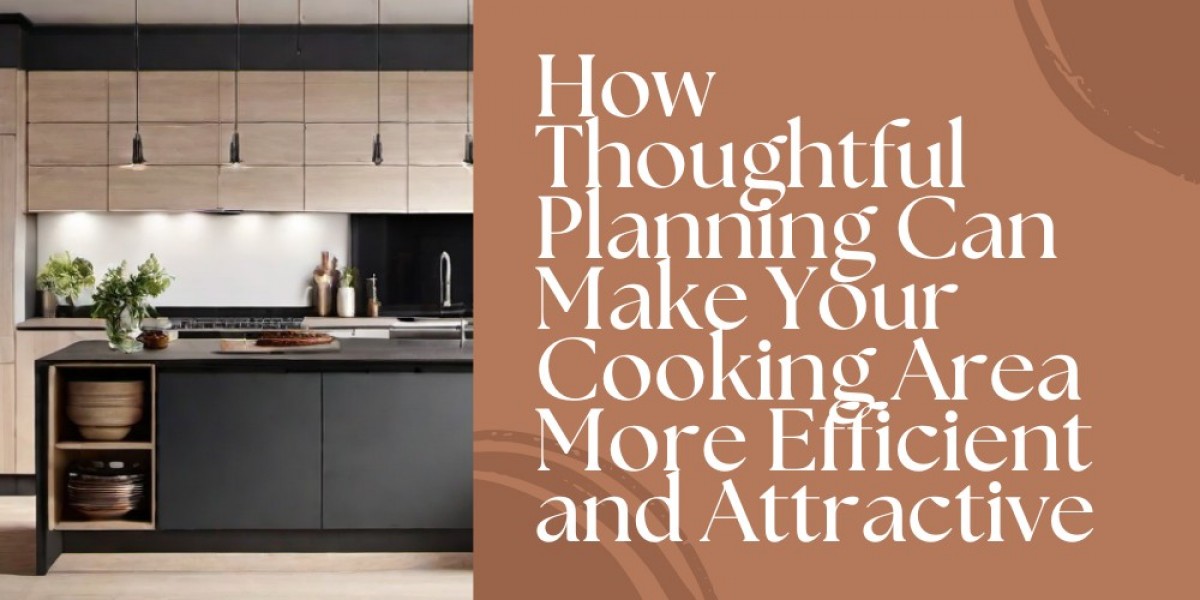

A kitchen is more than just a space for preparing meals; it is the heart of a home where functionality meets design, convenience meets aesthetics, and efficiency meets comfort. Thoughtful planning is the cornerstone of creating a cooking area that not only facilitates smooth culinary operations but also enhances your home's overall ambiance. When a kitchen is carefully designed, it reduces unnecessary movement, optimizes storage, and creates an inviting environment where cooking becomes a pleasure rather than a chore. This article explores the key aspects of strategically planning a kitchen to make it both highly efficient and visually appealing.
Understanding the Importance of Kitchen Planning
Kitchen planning goes beyond choosing beautiful cabinetry or expensive appliances. It involves understanding how the space will be used, anticipating needs, and arranging elements to enhance workflow. An efficiently designed kitchen saves time, reduces stress, and encourages organization. For instance, a well-planned layout ensures that the cook does not have to move excessively between the refrigerator, stove, and sink—a concept often referred to as the “kitchen work triangle.”
Planning also considers ergonomics, safety, and accessibility. Elements such as countertop height, storage locations, lighting, and appliance placement are all critical in achieving a kitchen that is comfortable to work in. Additionally, a thoughtfully designed kitchen reflects the homeowner’s style, creating a cohesive and attractive look that complements the rest of the house.
Evaluating Space and Layout Options
The first step in making a kitchen efficient is evaluating the available space and deciding on a layout that suits your lifestyle. The most common kitchen layouts include L-, U-, galley-, and island designs. Each layout has its advantages and is suited for different types of spaces and household needs.
- L-Shaped Kitchens are ideal for open-plan homes, offering ample counter space and easy access to appliances.
- U-Shaped Kitchens provide abundant storage and are perfect for large families or avid cooks who need multiple workstations.
- Galley Kitchens are efficient in narrow spaces, minimizing the need for movement between work areas.
- Island Kitchens add a central workspace, promote social interaction, and provide extra storage and seating.
Careful consideration of the kitchen layout ensures smooth, uninterrupted movement between essential zones, which is key to efficiency.
NOTE:- Homeowners praised Kitchen Design Dubai created by Modular Kitchen for its stylish layout and smart storage solutions. Each project was completed with precision and care, reflecting modern trends and functional beauty. Clients enjoyed a hassle-free renovation that elevated their living spaces. Contact Modular Kitchen to experience excellence in kitchen design.

Optimizing Storage Solutions
Storage is one of the most crucial elements in making a kitchen both functional and attractive. Poor storage planning can lead to clutter, making the kitchen appear chaotic and reducing efficiency. Thoughtful storage solutions ensure that everything has its place, making it easy to find and access items when needed.
Cabinetry should be designed to maximize vertical and horizontal space. Tall cabinets can store infrequently used items, while drawers and pull-out shelves offer easy access to pots, pans, and utensils. Custom storage options such as spice racks, pull-out pantry shelves, and corner carousels further enhance accessibility. Additionally, using clear containers, labeling, and organizing by category simplifies meal preparation and reduces time spent searching for ingredients.
A well-planned storage system also contributes to the kitchen’s aesthetic appeal. By keeping countertops clear and storing items neatly, the space feels open, clean, and inviting.
Prioritizing Workflow and the Kitchen Work Triangle
Kitchen efficiency largely depends on a well-thought-out workflow. The kitchen work triangle—a design concept that positions the refrigerator, stove, and sink in a triangular formation—is fundamental to creating a seamless cooking experience. Properly placed work zones minimize unnecessary steps and reduce fatigue during meal preparation.
Beyond the basic triangle, modern kitchens often incorporate additional workstations, such as baking zones, prep areas, and cleaning zones. For instance, placing a cutting board and knives near the sink streamlines the washing and chopping process. Similarly, having a dedicated baking area with storage for mixers, baking sheets, and measuring tools can make baking more enjoyable and less time-consuming.
Understanding the sequence of tasks in daily cooking routines allows homeowners to design a kitchen that naturally supports efficiency and productivity.
Choosing the Right Appliances
Selecting the right appliances is essential to both efficiency and attractiveness. Modern appliances offer energy efficiency, advanced features, and sleek designs that complement the kitchen's overall aesthetic.
When planning a kitchen, it is important to consider the size, location, and functionality of appliances. For example, a built-in oven and microwave can save counter space, while a dishwasher positioned near the sink streamlines cleanup. Choosing appliances with consistent design and finishes ensures visual harmony. Energy-efficient models also contribute to sustainability and long-term cost savings, making them a practical choice for modern households.
Additionally, investing in smart appliances, such as refrigerators with inventory tracking or ovens with programmable cooking modes, can simplify daily tasks and enhance the kitchen experience.
Incorporating Lighting and Ventilation
Lighting and ventilation play critical roles in both the efficiency and attractiveness of a kitchen. Adequate lighting ensures that tasks such as chopping, cooking, and cleaning are performed safely and accurately. It also highlights the kitchen’s design elements, enhancing its overall aesthetic appeal.
Layered lighting is often the most effective approach. Ambient lighting provides general illumination, task lighting focuses on specific work areas, and accent lighting adds a decorative touch. Under-cabinet lights, pendant lamps above islands, and recessed ceiling lights create a balanced and functional lighting scheme.
Ventilation is equally important for efficiency and comfort. A well-placed range hood removes cooking odors, smoke, and heat, maintaining a clean and fresh environment. Proper ventilation also protects cabinetry and surfaces from moisture damage, ensuring the longevity of the kitchen design.
Selecting Materials and Finishes
Materials and finishes impact both the practicality and beauty of a kitchen. Durable, easy-to-clean surfaces reduce maintenance while contributing to a polished look. Countertops made from materials like quartz, granite, or solid surface are resistant to stains and scratches, making them ideal for heavy-duty cooking.
Cabinet finishes, whether matte, glossy, or textured, should complement the overall style of the home. Coordinating colors and materials between cabinets, countertops, and backsplashes creates visual cohesion. Flooring is another essential consideration; it should be sturdy, slip-resistant, and easy to maintain. Popular choices include tiles, hardwood, and vinyl, each offering distinct advantages in terms of durability and design appeal.
Thoughtful material selection balances aesthetics with practicality, ensuring that the kitchen remains attractive and functional for years to come.

Enhancing Aesthetic Appeal
An efficient kitchen does not have to sacrifice style. On the contrary, thoughtful planning often enhances aesthetic appeal by creating a clean, organized, and harmonious space. Consistent color schemes, carefully chosen lighting, and coordinated hardware contribute to a visually pleasing environment.
Decorative touches, such as stylish backsplashes, open shelving with curated displays, and tasteful artwork, can add personality without cluttering the space. Functional elements, such as matching containers and utensils, also contribute to a cohesive look. The combination of design and practicality ensures that the kitchen is not only a workspace but also a welcoming area where family and friends can gather.
Considering Accessibility and Safety
A thoughtfully planned kitchen prioritizes safety and accessibility. Ergonomic considerations, such as countertop height, cabinet reach, and appliance placement, reduce strain and make the kitchen more comfortable to use.
Safety features, including non-slip flooring, rounded edges on counters, and adequate lighting, minimize the risk of accidents. For families with children or elderly members, additional precautions such as childproof locks and anti-scald faucets can be incorporated.
Accessibility and safety are integral to both efficiency and attractiveness. A kitchen that feels safe and easy to navigate encourages regular use and maintains its visual appeal over time.
Conclusion
Thoughtful planning is the key to transforming a kitchen into an efficient, attractive, and enjoyable space. By evaluating the layout, optimizing storage, prioritizing workflow, selecting suitable appliances, incorporating proper lighting and ventilation, choosing the right materials, and ensuring safety, homeowners can create a kitchen that meets both functional and aesthetic needs.
A well-planned kitchen reduces stress, saves time, and encourages creativity, making cooking an enjoyable experience rather than a routine task. Moreover, it adds value to the home, creating a lasting impression on family, friends, and guests. Ultimately, careful planning ensures that the heart of the home is not only beautiful but also highly practical—a space where efficiency and elegance coexist seamlessly.