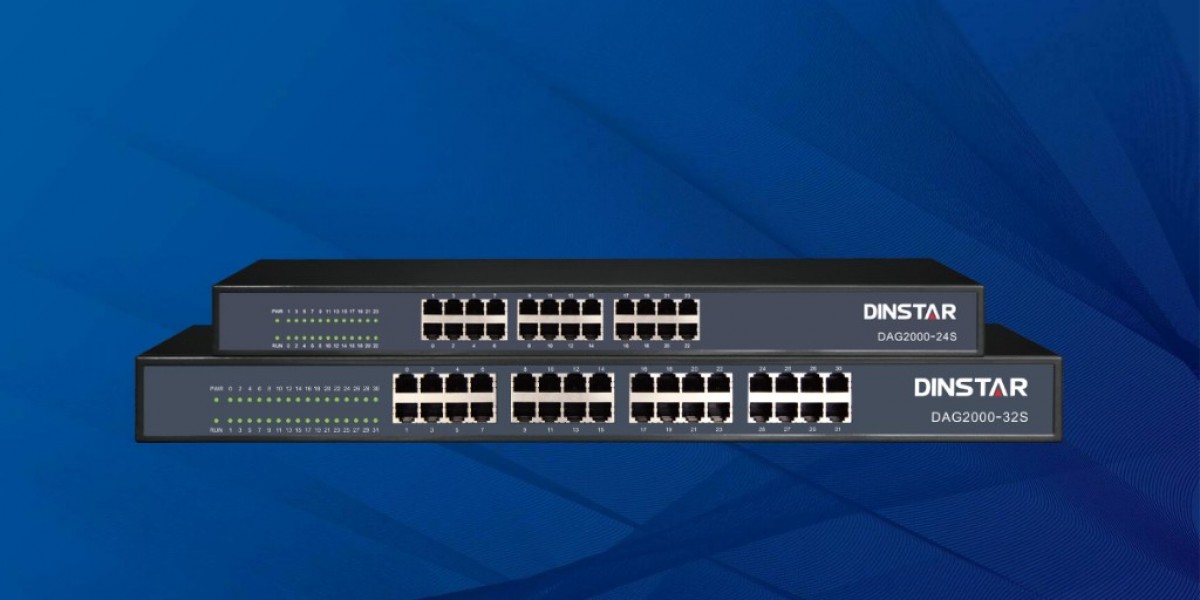

As businesses continue to shift toward IP-based communication, many still rely on analog devices such as desk phones, fax machines, and intercom systems. Replacing all this existing hardware can be costly and impractical. This is where an FXS Gateway plays a critical role. It acts as a bridge between traditional analog endpoints and modern IP networks, enabling organizations to upgrade their communication infrastructure without abandoning legacy equipment.
What Is an FXS Gateway?
An FXS Gateway is a networking device designed to connect analog communication devices to an IP-based system. The term FXS refers to the interface that provides line voltage, dial tone, and ringing to analog endpoints. By converting analog voice signals into IP packets, the gateway allows devices like phones and fax machines to operate seamlessly over a VoIP network. This makes it an essential component in hybrid communication environments.
How an FXS Gateway Works
The gateway sits between analog devices and the IP network. When a user makes a call using an analog phone, the gateway converts the voice signal into digital data and transmits it over the IP network. For incoming calls, the process is reversed. The gateway also manages signaling, call routing, and voice encoding, ensuring smooth communication between analog and IP-based systems.
Key Features and Capabilities
FXS gateways are designed to deliver reliable and consistent performance in business environments. Common capabilities include support for multiple analog lines, compatibility with IP PBX systems, and advanced voice codecs for clear audio quality. Many gateways also include features such as call forwarding, caller ID support, and echo cancellation, which enhance overall call experience and reliability.
Benefits of Using an FXS Gateway
One of the biggest advantages of deploying an FXS gateway is cost efficiency. Businesses can continue using existing analog devices while transitioning to IP communication at their own pace. It also simplifies network management by centralizing voice traffic and improves scalability, allowing organizations to add or remove analog endpoints as needed without major infrastructure changes.
Common Use Cases
FXS gateways are widely used in offices, hotels, hospitals, and educational institutions. They are ideal for connecting analog phones in remote branches, supporting fax transmission over IP networks, and integrating door phones or paging systems into a centralized communication platform. These use cases highlight the flexibility of the gateway across different industries.
Choosing the Right FXS Gateway
Selecting the right gateway depends on factors such as the number of analog devices, network size, and compatibility with existing systems. It is important to consider reliability, ease of configuration, and long-term scalability when making a choice. A well-selected gateway ensures stable performance and supports future communication needs.
Conclusion
An FXS Gateway is a practical solution for organizations looking to modernize their communication systems without discarding analog devices. By enabling smooth integration between legacy hardware and IP networks, it offers a balanced approach to digital transformation, combining cost savings with operational flexibility.