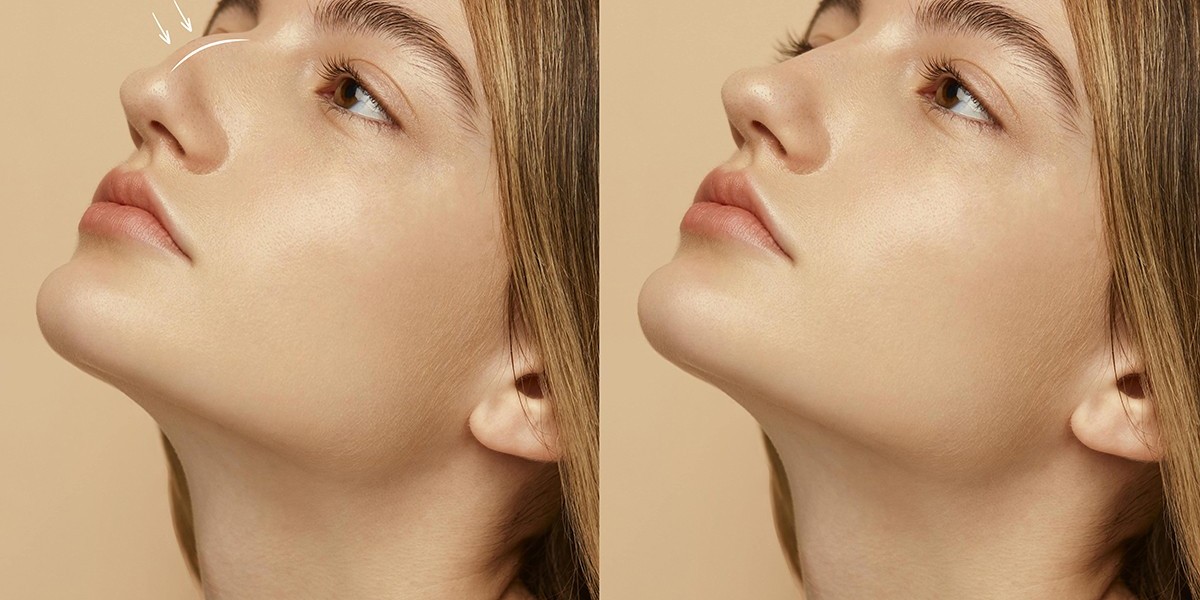

Nose reshaping has become one of the most popular cosmetic procedures for people seeking better facial harmony and improved breathing. In 2026, Rhinoplasty in Islamabad continues to grow in demand as patients look for advanced techniques, experienced surgeons, and natural-looking results. Rhinoplasty is not just about changing the shape of the nose; it is a blend of medical science and artistic skill that improves both appearance and function, helping people feel more confident and comfortable in their daily lives.
What Is Rhinoplasty?
Rhinoplasty is a surgical procedure that reshapes the nose by modifying bone, cartilage, and soft tissue. It can be done for cosmetic reasons, such as refining the nasal tip, smoothing a hump, narrowing wide nostrils, or straightening a crooked nose. It is also done for functional reasons, such as correcting a deviated septum, improving airflow, and treating breathing problems caused by injury or congenital issues. In many cases, cosmetic and functional goals are combined into one procedure called septorhinoplasty.
Why Rhinoplasty Is Popular in 2026
In 2026, people are more aware of facial aesthetics, self-confidence, and quality of life. Social media, video calls, and digital presence have made facial features more noticeable in everyday life. At the same time, medical technology has advanced, making rhinoplasty safer, more precise, and more personalized. Patients now expect natural-looking results that suit their face, culture, and personality rather than dramatic or artificial changes.
Who Is a Good Candidate?
A good candidate for rhinoplasty is someone who is physically healthy, emotionally stable, and has realistic expectations. Candidates include people who are unhappy with the size or shape of their nose, those with breathing problems, individuals with nasal injuries, and patients seeking revision surgery after an unsatisfactory previous procedure. Age is also important; nasal growth should be complete, which usually happens in the late teenage years.
Types of Rhinoplasty
There are different types of rhinoplasty depending on the patient’s needs. Closed rhinoplasty involves incisions inside the nostrils with no visible scars and is suitable for minor changes. Open rhinoplasty uses a small incision under the nose to give the surgeon better visibility for complex reshaping. Septorhinoplasty corrects both appearance and breathing problems. Revision rhinoplasty fixes issues from previous surgeries. Non-surgical rhinoplasty uses fillers for temporary shape correction but cannot fix structural or breathing issues.
The Consultation Process
The journey begins with a detailed consultation. The surgeon reviews medical history, examines nasal structure, skin thickness, facial proportions, and breathing function. Photographs and sometimes 3D imaging are used to plan results. This stage is important for setting realistic expectations and designing a personalized treatment plan. Good communication between patient and surgeon is key to achieving satisfying results.
The Surgical Procedure
Rhinoplasty is usually performed under general anesthesia or local anesthesia with sedation. The surgeon reshapes bone and cartilage, refines the tip, adjusts the bridge, and corrects internal structures if needed. Cartilage grafts from the septum, ear, or rib may be used to support weak areas. After surgery, a splint is placed on the nose to protect it during early healing.
Recovery and Healing
After surgery, swelling, bruising, and mild discomfort are common. These symptoms gradually improve over the first two weeks. The external splint is usually removed after about a week. Most people return to daily activities soon after but should avoid heavy exercise and contact sports for several weeks. Final results develop slowly over several months as swelling fully settles.
Functional Benefits
Rhinoplasty is not only about looks. Many patients suffer from breathing problems due to a deviated septum, narrow nasal passages, or collapsed cartilage. Correcting these issues improves airflow, reduces snoring, improves sleep, and helps with chronic sinus problems. Functional improvement often leads to better energy levels and overall health.
Aesthetic Benefits
Aesthetic rhinoplasty focuses on balance and harmony. The goal is not to create a “perfect” nose but one that suits the face. Small changes in the bridge, tip, or nostrils can make a big difference in facial appearance. Natural-looking results are the main goal in 2026, where subtle refinement is preferred over dramatic change.
Risks and Safety
Like any surgery, rhinoplasty carries risks such as bleeding, infection, scarring, or dissatisfaction with results. However, with modern techniques and experienced surgeons, serious complications are rare. Following pre- and post-operative instructions carefully reduces risks and supports smooth healing.
Choosing the Right Surgeon
Choosing a skilled and experienced surgeon is the most important step. Patients should look for proper medical certification, experience in rhinoplasty, strong patient reviews, and a good consultation experience. A good surgeon listens carefully, explains clearly, and focuses on both cosmetic and functional goals.
Psychological and Social Impact
Many people feel self-conscious about their nose, especially if it is crooked, large, or injured. Rhinoplasty often improves self-esteem, social confidence, and emotional well-being. When people feel better about their appearance and breathe better, their overall quality of life improves.
Trends in Rhinoplasty for 2026
In 2026, trends focus on natural beauty, ethnic preservation, and personalized results. Patients want noses that match their facial structure and cultural identity. Technology such as 3D imaging, improved surgical tools, and better anesthesia has made procedures more accurate and comfortable.
FAQs
Q1: How long does rhinoplasty surgery take?
Most rhinoplasty procedures take between one and three hours, depending on complexity.
Q2: Is rhinoplasty painful?
Discomfort is usually mild to moderate and can be controlled with medication.
Q3: When can I return to work?
Many people return to work within one to two weeks, depending on recovery and job type.
Q4: Will I have scars?
Closed rhinoplasty has no visible scars. Open rhinoplasty has a small scar under the nose that usually fades.
Q5: Are the results permanent?
Yes, rhinoplasty results are long-lasting, though natural aging can cause minor changes over time.
Final Thoughts
Rhinoplasty in 2026 is about more than just changing the shape of the nose. It is about improving breathing, enhancing facial harmony, and boosting confidence through safe and advanced techniques. With the right surgeon and a personalized approach, patients can achieve results that look natural and feel comfortable. If you are considering nose reshaping, choosing a trusted clinic is essential, and for expert care, modern facilities, and patient-centered treatment, SKN Cosmetics remains a reliable choice for those seeking high-quality rhinoplasty results in Islamabad.