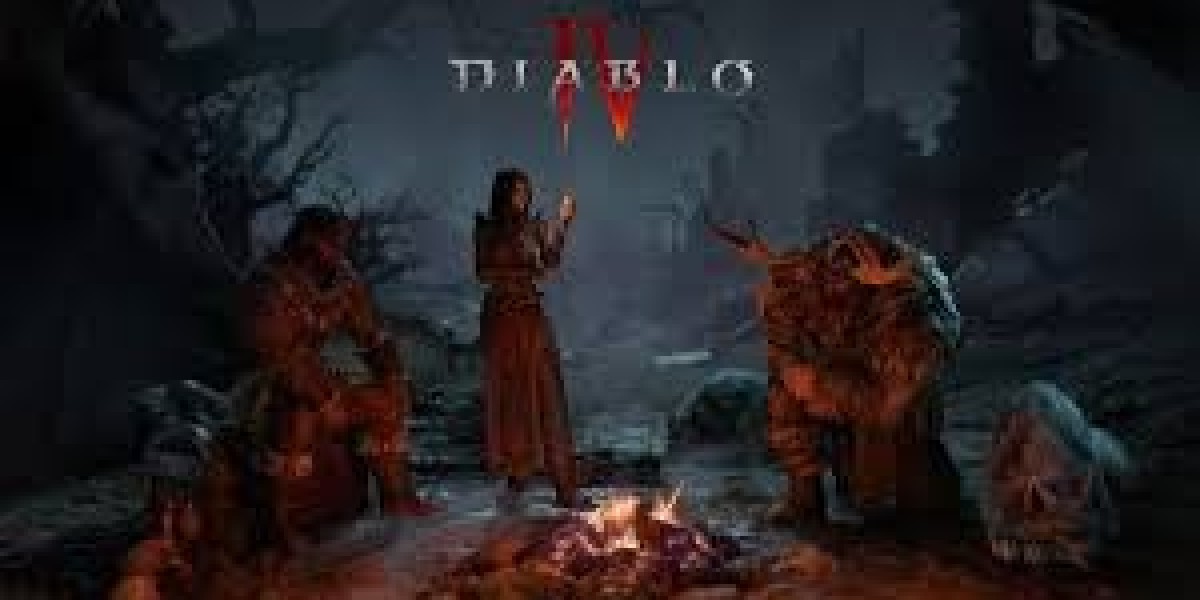

While *Diablo 4* offers a profoundly satisfying solitary journey through its grim narrative, the world of Sanctuary is fundamentally designed as a shared space. Its open-world systems and endgame activities gently but consistently encourage and reward player interaction, creating a unique social ecosystem that exists between pure solo play and regimented team-based content. This seamless, often wordless, **multiplayer** experience enriches the game, providing bursts of camaraderie, efficiency, and emergent chaos without the pressure of formal commitment.
The most common and organic form of **multiplayer** occurs spontaneously in the open world. As players traverse the same regions, they naturally cross paths at world events, strongholds, or even while tackling the same cluster of elite monsters. The game encourages a brief, unspoken alliance in these moments. There is no need for a party invitation; simply engaging the same foes creates a temporary bond. Resources and experience are shared, and the combined might of multiple classes—a Barbarian drawing agroup while a Sorcerer rains down meteors—makes clearing threats faster and more dynamic. This low-stakes cooperation fosters a sense of a living world where other heroes are not competitors, but potential, temporary allies against the dark.
This dynamic crystallizes in structured open-world events like **World Bosses** and **Legion Events**. Here, the game explicitly gathers players, often dozens at a time, to face a common, monumental threat. There is no formal raid structure, just a chaotic, glorious convergence of spell effects and steel. The success of these events depends entirely on this collective effort. While individual performance matters, it is the sum of the group that brings down the beast. These moments generate a genuine, if fleeting, sense of community achievement. The loot is personal, but the victory is shared, creating memorable, large-scale spectacles that punctuate the solo grind.
For more dedicated collaboration, the game offers seamless party play and **Clan** support. Forming a party trivializes the process of tackling dungeons or farming specific zones together, with shared waypoints and balanced difficulty. The **Clan** system provides a persistent social framework, allowing for shared chat, collective goals, and a roster of potential teammates. This is where the strategic depth of **multiplayer** truly shines, as coordinated parties can optimize builds to complement each other, with one player focusing on crowd control while another delivers single-target devastation, turning Nightmare Dungeons into exercises in efficient, synergistic teamwork.
Diablo 4 Gold’s **multiplayer** philosophy is one of fluid optionality. It never forces collaboration but makes it so rewarding and accessible that it naturally occurs. It understands that the loneliness of Sanctuary can be profound, but also that the shared triumph over its horrors is far sweeter. Whether it's a silent partnership for thirty seconds at an altar or a planned evening of dungeon delves with friends, the game provides a spectrum of social engagement that deepens the experience, proving that even in a world of demonic isolation, there is strength—and more fun—in numbers.