
Introduction
Limestone is one of the most useful natural stones found on Earth. It plays an important role in construction, cement production, agriculture, steel making, and many other industries. Because of its wide use, limestone deposits are valuable natural resources in many countries around the world.
In this article, we will explain limestone deposits in a very simple way. You will learn what limestone is, how it forms, where it is found, how it is mined, and why it is so important for daily life. This guide is written for everyone, even if you have no technical background.
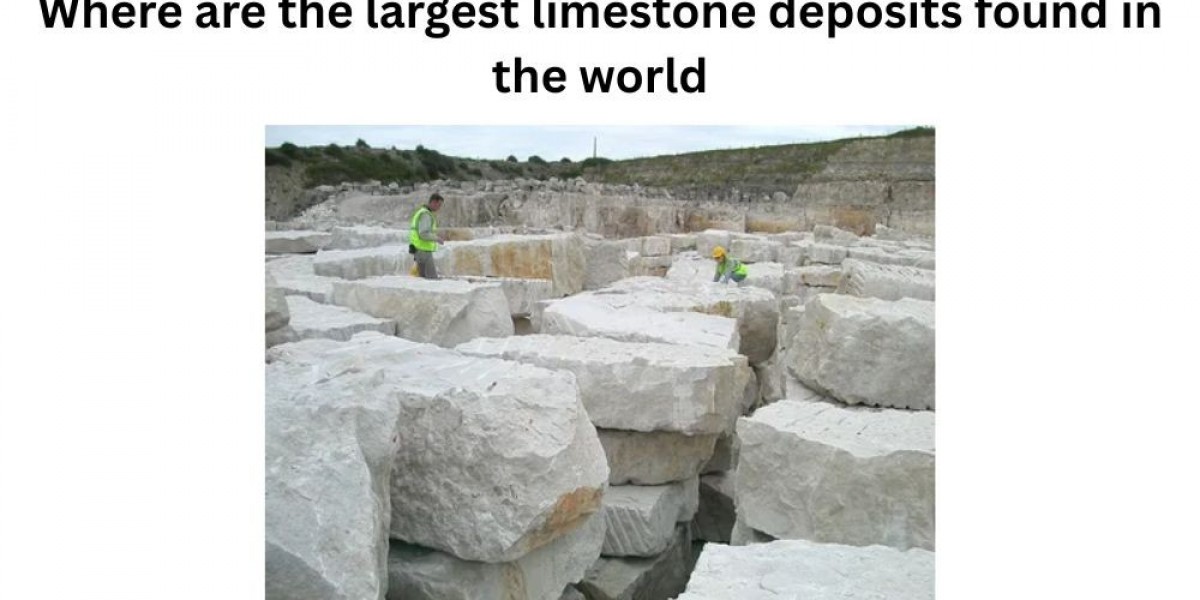
Note :- Lime stone deposits are natural rock layers formed over millions of years from marine shells, coral, and other organic materials. They are mainly made of calcium carbonate and are found in many parts of the world. Limestone is widely used in cement making, construction, road base, steel production, and agriculture. These deposits are usually found in sedimentary rock areas and can be mined easily due to their soft nature. Because of its wide use and easy availability, limestone plays an important role in industrial and economic development.
What Is Limestone?

Limestone is a sedimentary rock. This means it is formed over a very long time by layers of materials settling at the bottom of water bodies like seas and lakes.
Main Components of Limestone
Limestone is mainly made of:
Calcium carbonate
Shells of sea animals
Coral fragments
Marine plant remains
These materials slowly collect, press together, and harden into rock over millions of years.
Why Limestone Is Important
Limestone is important because:
It is easy to cut and shape
It is strong and long-lasting
It is widely available
It is useful in many industries
Because of these qualities, limestone has been used by humans for thousands of years.
How Limestone Deposits Are Formed
Limestone deposits are formed through a natural process that takes millions of years. This process mainly happens in shallow sea areas.
Step-by-Step Formation Process
Marine life lives in water
Small sea animals and plants live in oceans and seas.Shells and skeletons settle
When these organisms die, their shells and skeletons fall to the sea floor.Layers build up over time
Over many years, more and more layers collect.Pressure and heat work slowly
The weight of upper layers presses the lower layers.Rock is formed
Over time, these layers harden into limestone rock.
This slow and natural process creates large limestone deposits under the Earth’s surface.
Types of Limestone Deposits
Not all limestone deposits are the same. They are grouped into different types based on how they form and what they contain.
Sedimentary Limestone
This is the most common type. It forms from shells and marine life remains.
Uses:
Cement production
Building stone
Road base material
Chalk Limestone
Chalk is a soft and white type of limestone.
Uses:
Writing chalk
Paint
Soil treatment
Fossiliferous Limestone
This limestone contains visible fossils of shells and marine animals.
Uses:
Decorative stone
Educational purposes
Construction
Crystalline Limestone
This type forms when limestone changes due to heat and pressure.
Uses:
Marble production
Flooring
Wall cladding
Where Limestone Deposits Are Found
Limestone deposits are found in many parts of the world. They are usually located in areas that were once covered by shallow seas.
Countries with Large Limestone Deposits
Some countries with major limestone reserves include:
India
China
United States
United Kingdom
Egypt
Australia
Limestone Deposits in India
India has large limestone deposits in many states such as:
Rajasthan
Madhya Pradesh
Andhra Pradesh
Chhattisgarh
Gujarat
These deposits support the cement and construction industries in the country.
How Limestone Is Mined
Limestone mining is done to extract the rock from the Earth so it can be used in industries.
Open-Pit Mining
This is the most common method.
How it works:
The top soil is removed
Limestone rock is drilled and blasted
Large machines collect the stone
Advantages:
Cost-effective
Easy access to large deposits
Underground Mining
This method is used when limestone is deep underground.
How it works:
Tunnels are made below the surface
Limestone is cut and transported
Advantages:
Less surface damage
Useful for deep deposits
Processing of Limestone After Mining
Once limestone is mined, it is processed based on its final use.
Crushing and Screening
Large stones are crushed into smaller pieces
Stones are sorted by size
Grinding
Limestone is ground into powder
Used in cement, paint, and chemicals
Heating
Limestone is heated in kilns
Used to make lime and cement
Uses of Limestone Deposits
Limestone is one of the most used natural materials in the world. Its applications are wide and important.
Limestone in Construction Industry
Limestone is a key material in construction.
Cement Manufacturing
Limestone is the main ingredient in cement
Mixed with clay and heated in kilns
Building Stone
Used for walls, floors, and facades
Gives buildings a natural look
Road Construction
Crushed limestone is used as road base
Provides strong support for roads
Limestone in Agriculture
Limestone helps improve soil quality.
Soil Treatment
Reduces soil acidity
Improves crop growth
Animal Feed
Added as calcium supplement
Helps animal bone strength
Limestone in Steel and Metal Industry
Limestone plays a major role in steel making.
Removing Impurities
Used as flux in blast furnaces
Removes unwanted materials from iron
Improving Metal Quality
Helps produce cleaner steel
Reduces waste
Limestone in Chemical Industry
Many chemical products depend on limestone.
Making Lime
Limestone is heated to make lime
Lime is used in water treatment
Paint and Plastic
Limestone powder is used as filler
Improves strength and finish
Limestone in Water Treatment
Clean water is essential, and limestone helps in this process.
Purifying Water
Removes harmful impurities
Balances water acidity
Wastewater Treatment
Helps control odor
Improves water quality
Environmental Impact of Limestone Mining
Like all mining activities, limestone mining affects the environment. However, steps can be taken to reduce harm.
Possible Environmental Effects
Dust generation
Noise pollution
Land disturbance
Water pollution
How Environmental Impact Is Controlled
Mining companies follow rules and guidelines to protect nature.
Land Restoration
Trees are replanted
Land is reused for farming or parks
Dust Control
Water spraying
Covered transport
Responsible Mining
Controlled blasting
Proper waste disposal
Economic Importance of Limestone Deposits
Limestone deposits support the economy in many ways.
Job Creation
Mining jobs
Transport jobs
Factory jobs
Industrial Growth
Cement plants
Construction projects
Export opportunities
Limestone Trade and Global Demand
The demand for limestone continues to grow.
Reasons for High Demand
Rapid urban development
Infrastructure projects
Industrial expansion
Export of Limestone
Used in international construction
Supports global trade
Challenges in Limestone Mining
Despite its importance, limestone mining faces some challenges.
Environmental Concerns
Land degradation
Community impact
Transportation Costs
Heavy material
High fuel cost
Regulatory Rules
Mining permissions
Environmental clearances
Future of Limestone Deposits
The future of limestone deposits looks strong due to rising global demand.
Sustainable Mining
Eco-friendly methods
Better land management
Advanced Technology
Modern mining machines
Reduced waste
Recycling and Reuse
Use of limestone waste
Efficient resource use
Conclusion
Limestone deposits are one of the most valuable natural resources on Earth. From building homes and roads to producing cement, steel, and clean water, limestone plays a silent but powerful role in our daily lives.
Understanding how limestone forms, where it is found, how it is mined, and how it is used helps us value this resource more. With responsible mining and proper care for the environment, limestone deposits will continue to support industries and communities for many years to come.
For more insightful articles related to this topic, feel free to visit tygerspace.com