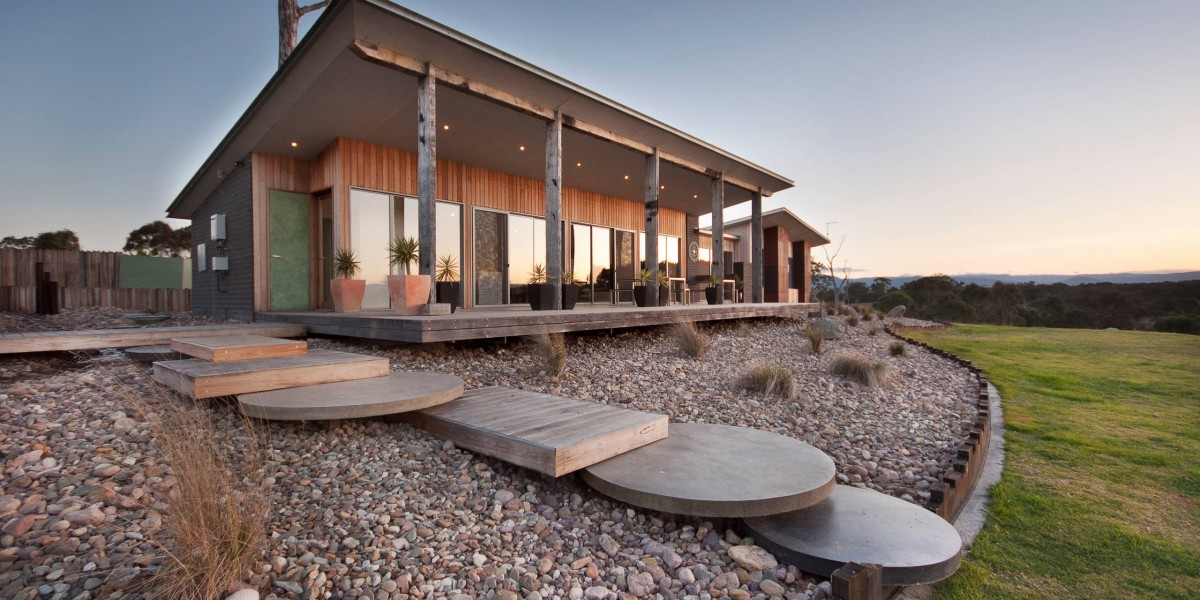

Building your dream home is one of the most exciting journeys you can take. From designing the layout to choosing finishes, every decision shapes the lifestyle you envision. However, one of the most important—and often overlooked—steps in this process is selecting the right block of land. The block you choose determines not only how your home will look but also how comfortable and functional it will be for years to come.
Whether you’re a first-time buyer, an investor, or planning your forever home, choosing the right block can make all the difference. In this blog, we’ll walk you through the essential factors to consider, helping you make an informed decision that aligns with your goals, budget, and lifestyle.
1. Understand Your Long-Term Goals
Before diving into the technical details of land selection, take a step back and consider your long-term plans. Are you building a family home, an investment property, or downsizing for a simpler lifestyle?
Your purpose will influence the type of block you need. For example:
A family home might benefit from a larger block with space for a backyard, pool, or entertaining area.
An investment property may focus on maximizing rental yield and future resale value.
A downsizer might prefer a smaller, low-maintenance block close to amenities.
Understanding your “why” helps narrow your options and ensures you’re choosing a block that fits your lifestyle both now and in the future.
2. Location Is Everything
The saying “location, location, location” rings especially true when buying land. The location affects your property’s value, convenience, and overall quality of life.
When assessing a location, consider:
Proximity to amenities: Schools, shops, healthcare, and transport links all add value and convenience.
Neighbourhood growth: Look for areas with planned infrastructure or new developments, which can boost property value over time.
Safety and community: Visit the area to get a feel for the community vibe and ensure it suits your family’s needs.
Future potential: Areas in early stages of development often offer more affordable options that appreciate over time.
Understanding why invest in property in a growing suburb can help you see the long-term benefits of location choice. Property in well-planned communities not only provides comfort but also offers strong capital growth potential.
3. Consider the Block Size and Shape
Once you’ve narrowed down the location, focus on the size and shape of the block. These factors directly influence the design possibilities for your home.
Standard rectangular blocks are the most common and generally easiest to build on.
Corner blocks offer design flexibility and extra access points but may have stricter council requirements.
Irregularly shaped blocks can allow for creative architecture but may increase building costs.
Pay attention to the frontage (width) and depth of the block, as these will determine what home designs fit best. A wider frontage allows for more impressive façades and larger garages, while a deeper block provides more backyard space.
4. Assess the Land’s Slope and Orientation
The topography and orientation of your block are crucial for comfort, cost, and energy efficiency.
Slope: A flat block is generally easier and cheaper to build on. A sloping block can create beautiful architectural opportunities, like split-level homes, but may increase site preparation and retaining wall costs.
Orientation: The direction your block faces influences natural light and energy efficiency. For example, north-facing blocks in Australia are highly sought after because they receive the most sunlight throughout the day, reducing heating and lighting costs.
Consider how the orientation aligns with your lifestyle. For instance, you might want morning sun in the kitchen or evening light in your living area for relaxation.
5. Check for Easements and Restrictions
Before committing to a purchase, always check for easements, covenants, and council restrictions on the block. Easements are parts of the land reserved for utilities such as water, sewerage, or electricity. Building on these areas may be prohibited or limited.
Similarly, covenants (set by developers or councils) can dictate building materials, fence heights, or landscaping styles to maintain the aesthetic of the estate. Understanding these regulations early will save you from costly surprises during the building process.
6. Evaluate the Soil and Site Conditions
Not all land is created equal — and what’s underneath the surface matters just as much as what’s on top. Before purchasing, request a soil test to understand the ground’s composition and stability.
Soil types like clay or sand can impact foundation design and costs. A stable soil classification (usually “Class A” or “Class S”) means fewer complications and lower expenses during construction. If the site has poor soil conditions, your builder may need to implement special foundation techniques, which can increase costs significantly.
7. Access to Utilities and Infrastructure
Ensure your block is fully serviced with essential utilities such as electricity, water, sewerage, and internet. Some new developments may require additional costs for connections, which can add to your overall budget.
It’s also wise to check road access — not just for convenience but for future resale value. Good infrastructure and connectivity make your property more attractive to future buyers.
8. Budget Beyond the Purchase Price
When buying land, many people focus solely on the price tag. However, the total cost of building your dream home includes more than just the land itself. Consider additional expenses such as:
Site preparation and earthworks
Building permits and council fees
Utility connections
Landscaping and fencing
Driveways and external works
Having a realistic budget will help you avoid financial stress and make informed decisions about your block and home design.
9. Think About Lifestyle and Future Needs
Your block should reflect how you plan to live — not just today, but five or ten years from now. Ask yourself:
Will I need space for children or pets?
Do I want a garden, pool, or outdoor entertaining area?
Is there potential to expand or add features later?
Choosing a block that accommodates your future lifestyle ensures your home remains functional and enjoyable for years to come.
10. Explore Master-Planned Communities
If you want a well-rounded living experience, consider building in a master-planned estate like Limestone Estate. These developments are designed with community, convenience, and sustainability in mind.
You’ll find carefully planned blocks that maximize comfort and functionality while being surrounded by parks, schools, and shopping facilities. Building in such a community ensures you’re part of a thriving, well-connected neighborhood — one that enhances both your lifestyle and property value.
Master-planned communities also often have design guidelines that promote harmony and visual appeal, ensuring every home contributes to the overall aesthetic of the area.
11. Work with Professionals
Choosing the right block is a big decision, and expert advice can make all the difference. Engage with professionals who can help guide you through each stage:
Builders: They’ll assess the block’s buildability and suggest suitable home designs.
Surveyors: They provide detailed land measurements and help identify boundaries and slopes.
Real estate agents and developers: They offer local insights into growth areas and investment potential.
Financial advisors: They can help you budget effectively and explore finance options.
Getting professional input ensures you make confident, well-informed choices that align with both your dreams and your finances.
Conclusion
Selecting the perfect block for your future home is a blend of practicality, foresight, and personal preference. Every factor — from location and orientation to soil and slope — plays a role in shaping the comfort, functionality, and value of your home.
By taking the time to research, assess, and seek expert advice, you’ll lay the foundation for a home that not only meets your needs but also appreciates in value over time. Your dream home starts with the right block — choose wisely, and watch your vision come to life.