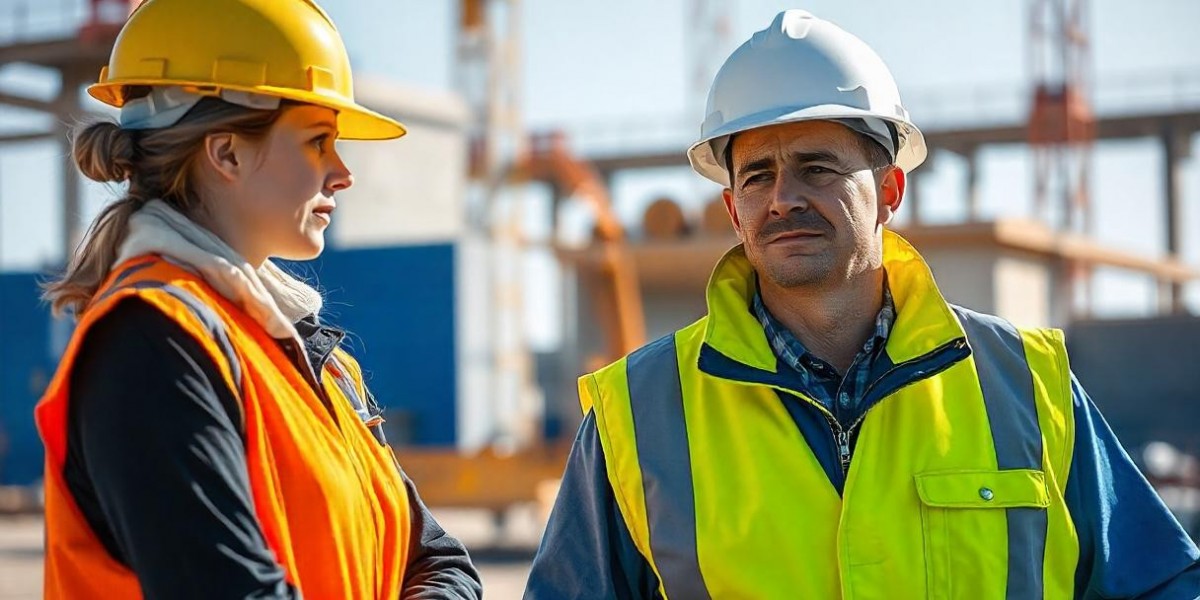

Uneven industrial ground is one of those workplace risks that looks harmless until it causes a serious incident. A slightly sloped yard, broken concrete, loose gravel, or oil-soaked soil can quickly turn routine tasks into accidents involving slips, trips, rollovers, or dropped loads. Many workers only realize how critical ground stability is after something goes wrong.
In this guide, you will learn why uneven industrial ground is such a major safety concern, how it affects workers and equipment, and what practical steps can reduce risks. We will also explore how structured safety education, such as the OSHA 30 Hour Course, helps professionals recognize hazards early and apply proven control measures before accidents happen.
Why Uneven Industrial Ground Is a Serious Safety Risk
Industrial sites rarely have perfect surfaces. Warehouses expand, outdoor yards erode, temporary worksites change daily, and heavy equipment constantly alters ground conditions. When surfaces become uneven, safety risks increase fast.
Uneven ground contributes to:
Slips, trips, and falls during routine walking or material handling.
Vehicle instability, especially for forklifts, loaders, and trucks.
Loss of balance when carrying tools or loads.
Increased strain on joints, leading to long-term musculoskeletal issues.
A small dip or slope may seem insignificant, but under industrial conditions, it can combine with poor lighting, weather, or fatigue to create a high-risk environment.
Common Causes of Uneven Industrial Surfaces
Understanding why ground becomes unstable is the first step toward controlling it. Most uneven surfaces result from predictable and preventable factors.
Wear and Tear from Heavy Equipment
Forklifts, trucks, and loaders apply repeated stress to floors and yards. Over time, this leads to cracks, ruts, and sinking areas that compromise stability.
Environmental Conditions
Rain, heat, and temperature changes cause soil erosion, expansion, and contraction. Outdoor industrial yards are especially vulnerable after storms or prolonged dry spells.
Temporary Work Conditions
Construction zones, maintenance projects, or utility repairs often leave uneven ground behind. If these areas are not clearly marked or restored, they remain hazardous long after the work ends.
Poor Initial Design or Maintenance
In some facilities, uneven ground exists because surfaces were never designed for the current load or traffic. Lack of routine inspections allows small defects to grow into serious hazards.
How Uneven Ground Affects Workers and Operations
Uneven surfaces do more than cause injuries. They disrupt productivity, increase downtime, and raise operational costs.
A warehouse worker slipping on an uneven ramp may suffer a minor injury, but the incident can trigger investigations, lost workdays, and morale issues. In heavier industries, unstable ground can cause forklifts to tip or loads to shift, leading to severe accidents and equipment damage.
Over time, constant exposure to uneven footing also leads to:
Chronic knee, ankle, and back problems.
Reduced worker confidence and slower task performance.
Increased near-miss incidents that signal deeper safety issues.
Assessing Ground Stability Before Work Begins
Risk control always starts with assessment. Before workers or vehicles enter an area, the surface should be evaluated carefully.
Visual Inspections
Simple walk-through inspections can identify cracks, slopes, potholes, or loose materials. These should be documented and addressed promptly.
Load and Traffic Evaluation
Consider what type of equipment will use the surface. A floor that supports foot traffic may not be safe for forklifts or pallet trucks.
Environmental Monitoring
Outdoor areas require extra attention after rain, flooding, or extreme temperatures. Wet or muddy ground significantly reduces traction.
Worker Feedback
Workers often notice subtle changes before management does. Encourage reporting of uneven areas without fear of blame.
Engineering Controls for Stable Industrial Surfaces
Engineering controls are the most effective way to reduce risk because they remove hazards at the source.
Surface Repair and Reinforcement
Fill cracks and potholes promptly.
Reinforce high-traffic zones with stronger materials.
Use anti-slip coatings where appropriate.
Proper Drainage Systems
Standing water weakens ground integrity. Good drainage prevents erosion and reduces slip risks.
Leveling and Grading
Outdoor yards should be graded to minimize slopes while still allowing water runoff. Indoor floors should be leveled during installation or renovation.
Physical Barriers and Markings
If uneven ground cannot be fixed immediately:
Block access to the area.
Use cones, barriers, and warning tape.
Apply high-visibility floor markings.
Administrative Controls and Safe Work Practices
When engineering solutions take time, administrative controls help manage exposure.
Work Planning and Scheduling
Schedule tasks involving heavy equipment during daylight hours or good weather whenever possible.
Restricted Access Policies
Limit who can enter uneven areas and under what conditions. Only trained personnel should operate equipment on unstable ground.
Clear Signage
Signs warning of uneven surfaces remind workers to slow down, adjust posture, and remain alert.
Incident and Near-Miss Reporting
Tracking near-misses related to ground conditions helps identify patterns and prevent future accidents.
Personal Protective Equipment and Stability
PPE does not eliminate hazards, but it plays a vital supporting role.
Footwear Selection
Slip-resistant, supportive safety footwear improves traction and balance on uneven surfaces.
High-Visibility Clothing
In outdoor or vehicle-heavy environments, visibility reduces collision risks when workers adjust movements on unstable ground.
Load Handling Aids
Using trolleys, dollies, or lifting devices reduces the need to carry loads across uneven areas.
Training and Awareness: Where Knowledge Makes the Difference
Even the best controls fail if workers do not understand why they matter. Training bridges the gap between policy and practice.
Workers trained to recognize unstable surfaces:
Adjust walking speed and posture instinctively.
Choose safer routes when moving materials.
Stop work and report hazards instead of pushing through.
This is where structured safety education becomes invaluable. Programs like the OSHA Safety Course help learners understand how surface conditions interact with human behavior, equipment design, and environmental factors. Rather than memorizing rules, participants learn how to think critically about risk in real-world settings.
Practical Tips for Maintaining Stability on Uneven Ground
Here is a simple, actionable checklist that supervisors and workers can apply immediately:
Daily Site Checklist
Walk the work area at the start of each shift.
Look for new cracks, loose gravel, or wet patches.
Confirm that warning signs and barriers are in place.
During Work
Keep loads close to the body and maintain a stable stance.
Avoid sudden turns or speed changes when operating vehicles.
Use designated walkways whenever possible.
After Environmental Changes
Reinspect surfaces after rain or maintenance work.
Remove mud, oil, or debris promptly.
Update risk assessments if conditions change.
Mini Case Study: A Simple Fix That Prevented Major Injuries
At a logistics yard, workers frequently complained about ankle pain and near-misses involving pallet trucks. Management initially blamed footwear and worker carelessness. After a proper assessment, they discovered uneven concrete caused by years of heavy vehicle traffic.
By resurfacing the affected area, improving drainage, and retraining staff on hazard recognition, near-misses dropped significantly within weeks. The cost of repairs was far less than the potential cost of injuries, claims, and downtime.
Why Stability Training Supports Career Growth
Understanding ground stability is not just about safety. It is also a professional skill valued across industries. Employers look for workers who can identify hazards, follow safe systems of work, and contribute to a strong safety culture.
Formal training demonstrates this competence clearly. It shows that a worker or supervisor understands risk management principles, not just task instructions. This knowledge applies across warehouses, construction sites, manufacturing plants, and logistics hubs.
FAQs
Why is uneven industrial ground so dangerous?
Uneven ground increases the risk of slips, trips, falls, and vehicle instability. These hazards can lead to serious injuries and equipment damage if not properly managed.
How often should industrial ground be inspected?
High-traffic areas should be inspected daily, while full site inspections should occur regularly and after environmental changes like heavy rain.
Can PPE alone prevent accidents on uneven ground?
No. PPE helps reduce risk but does not remove the hazard. Engineering and administrative controls are always more effective.
What equipment is most affected by uneven surfaces?
Forklifts, pallet trucks, loaders, and heavy vehicles are particularly vulnerable because uneven ground affects balance and load stability.
How does safety training help with surface hazards?
Training teaches workers how to recognize unstable conditions, adapt behavior, and apply control measures before accidents occur.
Conclusion
Maintaining stability on uneven industrial ground is a continuous process, not a one-time fix. It requires awareness, planning, proper maintenance, and informed workers who understand how small surface changes can lead to serious consequences.
By combining practical controls with professional learning, such as OSHA-aligned training programs, organizations create safer environments and stronger teams. Whether you are starting your safety journey or upgrading your skills, understanding ground stability is a foundation that supports both workplace safety and long-term career growth.