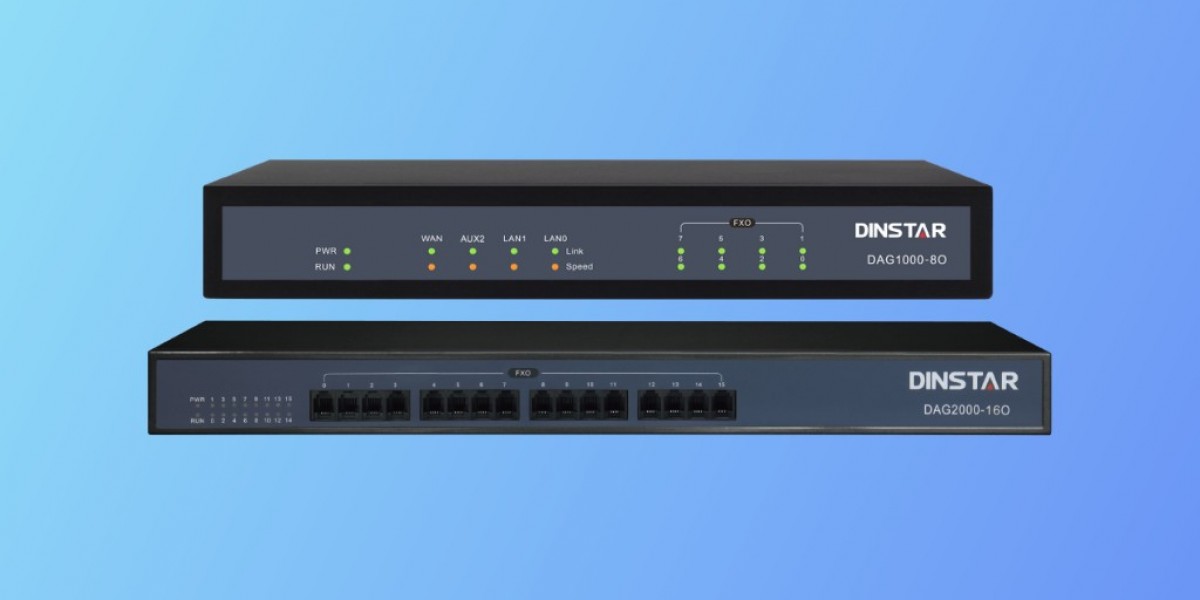

As businesses transition to IP-based communication, many still rely on analog devices such as phones, fax machines, or legacy PBX systems. An Analog Gateway plays a crucial role in connecting these traditional systems with modern VoIP networks, allowing organizations to upgrade without replacing existing infrastructure.
What Is an Analog Gateway?
An Analog Gateway is a device that converts analog voice signals into digital IP packets and vice versa. It enables analog communication equipment to work seamlessly within a VoIP environment, making it easier to modernize communication systems while preserving current hardware.
Why Analog Gateways Are Important
Analog gateways help businesses balance cost efficiency and technological advancement. Their importance includes:
Allows continued use of analog phones and devices
Reduces the need for complete system replacement
Supports smooth migration from traditional telephony to VoIP
Ensures reliable voice transmission over IP networks
Key Functions of an Analog Gateway
An Analog Gateway performs several essential functions to ensure stable communication:
Converts analog voice signals into IP-based data
Manages call routing between analog devices and VoIP systems
Maintains voice quality through proper signal processing
Supports integration with IP PBX and SIP-based platforms
Common Use Cases
Analog gateways are widely used in different business environments:
Offices using legacy phones alongside modern IP systems
Hotels and hospitals with analog endpoints
Enterprises migrating gradually to VoIP infrastructure
Locations requiring fax or other analog communication devices
Benefits for Modern Businesses
By using an analog gateway, businesses can modernize communication without disruption. It offers flexibility, protects existing investments, and simplifies the transition to IP-based voice networks.
Conclusion
An Analog Gateway acts as a practical link between traditional telephony and modern VoIP systems. By enabling compatibility, preserving legacy devices, and supporting gradual network upgrades, it remains an essential component in many business communication environments.