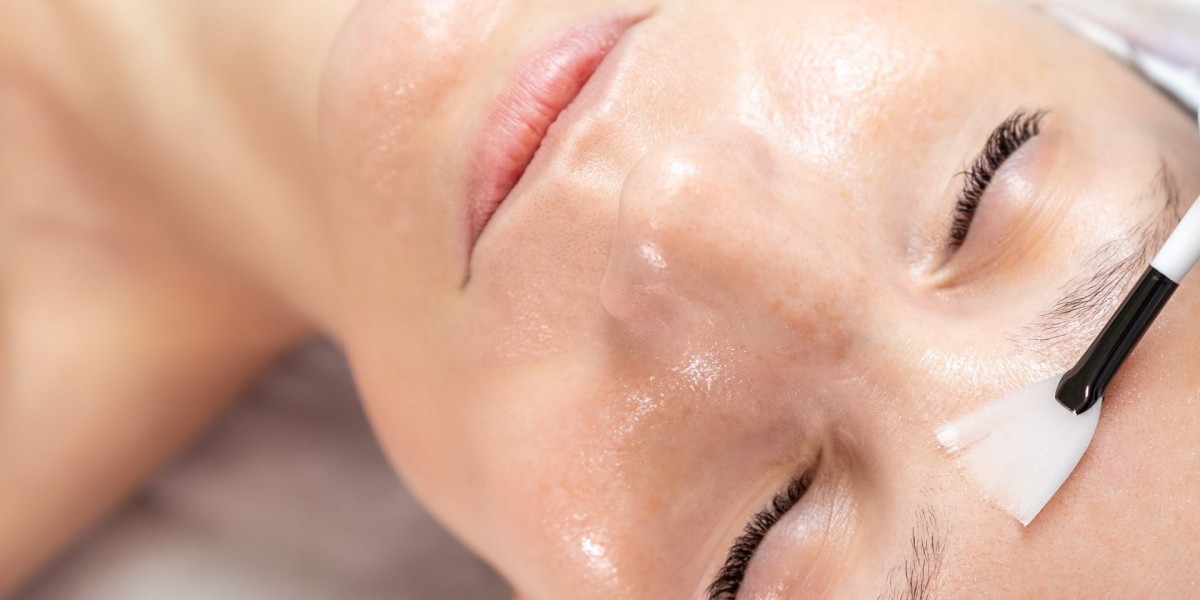

Pregnancy brings many changes to the body, including the skin, which can become more sensitive or prone to issues like melasma, acne, and uneven tone. Many expectant mothers in Riyadh wonder about professional treatments and whether procedures like Chemical Peels Riyadh are safe during this critical time. While chemical peels are highly effective for improving texture, tone, and brightness, pregnancy requires careful consideration, as some active ingredients may pose risks to both mother and baby. Understanding the safety profile and exploring alternative treatments can help pregnant individuals maintain healthy skin safely.
Are Chemical Peels Safe During Pregnancy:
Most dermatologists advise caution when considering chemical peels during pregnancy. Key points include:
Superficial peels with mild ingredients like glycolic acid or lactic acid are generally considered low risk
Stronger peels containing salicylic acid, TCA, or phenol are not recommended due to potential systemic absorption
Hormonal changes can make the skin more sensitive and reactive to chemical treatments
Always consult a certified dermatologist before undergoing any peel while pregnant
Safety is the primary concern, so professional guidance ensures both maternal and fetal well-being.
Potential Risks of Chemical Peels During Pregnancy:
While many superficial peels are mild, potential risks must be understood:
Skin irritation, redness, or increased sensitivity due to hormonal changes
Overexposure to certain acids may theoretically affect fetal development
Uneven results or post-inflammatory hyperpigmentation caused by sensitive skin
Complications if done improperly outside a professional clinic setting
Minimizing risk requires careful selection of peel type, professional supervision, and avoiding strong formulations.
Recommended Peels During Pregnancy:
If a chemical peel is considered, dermatologists usually suggest:
Superficial glycolic acid peels at low concentrations
Lactic acid peels for gentle exfoliation and hydration
Mild fruit acid peels (AHAs) designed for sensitive skin
Limited to small areas or light sessions rather than full-face treatments
These peels offer subtle improvements without compromising safety during pregnancy.
Peels to Avoid While Pregnant:
Certain peels are strictly contraindicated during pregnancy due to stronger active ingredients. Avoid:
Salicylic acid peels, especially in higher concentrations
Trichloroacetic acid (TCA) peels
Phenol peels, which can be highly toxic systemically
Combination peels with strong acids or retinoids
Avoiding these ensures that treatment does not pose a risk to the developing baby.
Alternatives to Chemical Peels During Pregnancy:
Safe, effective alternatives can help maintain skin health and manage common pregnancy-related issues. Options include:
Gentle exfoliation using non-chemical scrubs or enzymatic masks
Hydrating facials to improve texture and radiance
Topical treatments with pregnancy-safe ingredients like vitamin C or azelaic acid
LED light therapy under professional supervision to treat acne or pigmentation
These alternatives offer visible improvements without the risks associated with stronger chemical treatments.
Skincare Tips for Pregnant Individuals:
Maintaining a proper skincare routine is essential to minimize pigmentation and acne flare-ups. Dermatologists recommend:
Daily broad-spectrum sunscreen to prevent melasma and sunspots
Using gentle cleansers and moisturizers suited for sensitive skin
Avoiding harsh retinoids, high-strength acids, or bleaching agents
Incorporating antioxidants like vitamin C for brightening and protection
A consistent, pregnancy-safe regimen supports healthy, radiant skin throughout pregnancy.
Timing Treatments Around Pregnancy:
For those considering chemical peels, timing is critical. Recommendations include:
Postponing medium or deep peels until after delivery
Scheduling mild superficial peels only after consulting a dermatologist
Using pregnancy-safe topical treatments in the interim
Gradually reintroducing professional peel treatments after breastfeeding, if desired
Timing ensures safety while allowing for effective skin rejuvenation later.
Choosing Professional Guidance in Riyadh:
Seeking professional advice ensures safe, customized care during pregnancy. Consider:
Consulting certified dermatologists experienced with pregnancy-safe procedures
Selecting clinics specializing in Chemical Peels Riyadh for safe formulations
Receiving personalized recommendations for peel type, frequency, and post-care
Monitoring skin response closely to adjust treatments as needed
Professional supervision reduces risks and ensures optimal outcomes for both mother and baby.
Signs You Should Avoid a Peel During Pregnancy:
Even mild peels may not be suitable in certain cases. Indications to delay treatment include:
Extremely sensitive or reactive skin
Active acne flare-ups or open wounds
Skin conditions exacerbated by hormonal changes
Personal medical conditions or pregnancy complications
Listening to your dermatologist ensures safe timing and avoids unwanted side effects.
Final Thoughts
Chemical peels can provide noticeable improvements in skin tone and texture, but pregnancy requires caution. While mild superficial peels like glycolic or lactic acid are generally low-risk, stronger peels such as salicylic acid, TCA, or phenol should be avoided. Alternatives like gentle exfoliation, hydrating facials, pregnancy-safe topicals, and LED therapy offer effective, safe options. Consulting certified Chemical Peels Riyadh clinics ensures professional guidance, personalized recommendations, and the safest approach for both mother and baby. By prioritizing safety and adjusting treatments appropriately, expectant mothers can maintain healthy, glowing skin throughout pregnancy.