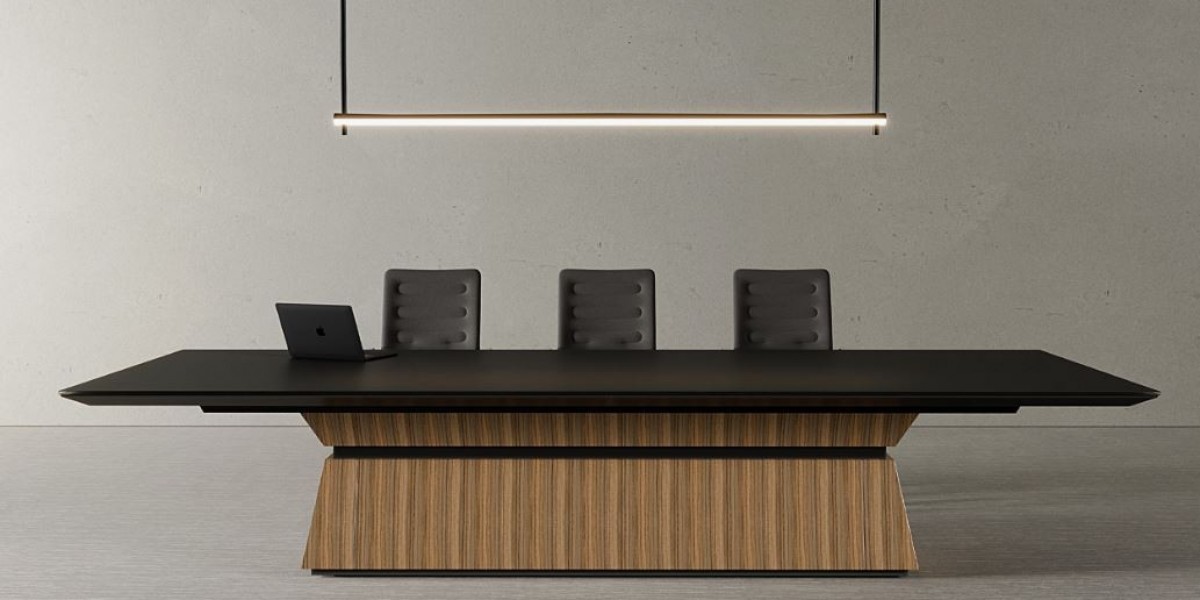

Selecting the perfect conference table dimensions is essential for creating an effective and comfortable meeting environment. The right table size ensures that everyone can participate in discussions without feeling cramped or disconnected. Beyond comfort, a well-chosen conference table also reflects the professionalism of your workspace and contributes to a productive office culture. Whether your office hosts small team meetings or large boardroom discussions, understanding the ideal dimensions for your conference table can significantly enhance collaboration and efficiency.
Understanding Standard Conference Table Dimensions
When planning your office layout, knowing the standard conference table dimensions can help you make informed decisions. Most rectangular conference tables range from 72 inches to 120 inches in length and 36 to 48 inches in width. Round tables are usually 48 to 72 inches in diameter, while oval or boat-shaped tables can offer a more flexible seating arrangement. These standard dimensions provide a guideline, but it is crucial to consider the size of your conference room and the number of participants to ensure a balanced and functional setup.
Importance of Comfort and Accessibility
Comfort is a key factor when considering conference table dimensions. Each attendee should have enough personal space to work, take notes, or use laptops without feeling restricted. A general recommendation is to allocate at least 24 inches of table width per person to maintain comfort. Additionally, the space around the table should allow for easy movement, enabling participants to enter or exit their seats without disturbing others. Prioritizing accessibility and comfort creates a positive meeting environment and enhances collaboration among team members.
Material Choices for Conference Tables
The material of your conference table plays a significant role in both aesthetics and durability. Wooden tables offer a classic and professional look, while laminate or veneer surfaces are cost-effective and easy to maintain. Glass tables can add a modern touch and make the room feel more spacious, but they require regular cleaning to maintain a polished appearance. Metal and composite materials provide durability and are often used in high-traffic office environments. Choosing the right material ensures that your conference table not only fits the desired dimensions but also complements the overall office design.
How to Determine the Right Dimensions
To determine the perfect conference table dimensions, start by measuring your conference room and calculating the number of participants you expect to accommodate regularly. A good rule of thumb is to leave at least 36 inches of clearance around the table for comfortable movement. Consider the shape of the table: rectangular tables are ideal for formal meetings, while round tables encourage collaboration and equal participation. Additionally, boat-shaped or oval tables can provide a more dynamic layout for larger rooms. Balancing room size, table shape, and seating capacity is key to selecting the ideal dimensions.
Integrating Technology into Your Conference Table
Modern conference tables often include built-in technology to enhance meetings, such as cable management systems, power outlets, and USB ports. Considering technology integration while planning your conference table dimensions ensures that these features do not compromise comfort or accessibility. Proper planning allows staff to connect devices easily without creating clutter, supporting a seamless and efficient meeting experience. Tables with modular designs can also adapt to different technological needs as your office evolves.
Enhancing Collaboration and Productivity
The right conference table dimensions contribute directly to team collaboration and productivity. A table that is too small can create a cramped environment, limiting discussion and interaction, while an excessively large table can make communication difficult and reduce engagement. Properly sized tables allow participants to maintain eye contact, share documents easily, and engage more naturally during meetings. Investing time in selecting the right dimensions ensures that every meeting is productive and inclusive.
Style and Aesthetics
Beyond functionality, your conference table should complement the overall style of your office. Sleek modern tables with minimalist designs are ideal for contemporary office settings, while traditional wood tables suit classic corporate environments. Color, finish, and design elements can enhance the overall aesthetic and create a welcoming atmosphere for clients and employees alike. The right combination of style and conference table dimensions ensures that your boardroom or meeting area reflects professionalism and attention to detail.
Durability and Maintenance
Conference tables endure daily use, so durability is a critical consideration. High-quality materials, sturdy construction, and protective finishes extend the lifespan of your table. Additionally, easy-to-clean surfaces reduce maintenance time and help maintain a polished look. Investing in durable tables ensures that your conference room remains functional and attractive for years, even with frequent use.
Customization Options
Many office furniture providers offer customized conference tables to meet specific needs. Custom options allow you to select the exact dimensions, shape, material, and technology integration required for your workspace. Customization ensures that the table fits perfectly within your room while supporting the number of participants you anticipate. Working with professionals in office furniture design guarantees that your conference table meets all practical and aesthetic requirements.
Planning for Future Needs
When choosing your conference table, consider not only your current requirements but also future growth. Flexible layouts, modular designs, and expandable tables allow your office to accommodate larger teams or changing needs without replacing furniture. Planning for future needs ensures that your investment in a conference table remains relevant and valuable as your organization grows.
In conclusion, selecting the correct conference table dimensions is critical for creating a comfortable, functional, and aesthetically pleasing meeting space. By balancing comfort, accessibility, style, and technology integration, offices can foster productive discussions and leave a professional impression on clients and employees. For high-quality, customizable options that combine functionality and elegance, trust Office furniture to provide solutions tailored to your workspace needs.