
Tattoos often carry deep personal meaning, yet perspectives can change over time. Career goals, lifestyle shifts, or aesthetic preferences may lead individuals to reconsider old body art. This growing awareness has increased interest in Laser Tattoo Removal in Riyadh, where advanced technology meets skilled clinical care to deliver gradual, skin-focused fading rather than harsh removal.
What Is Laser Tattoo Removal and How It Works
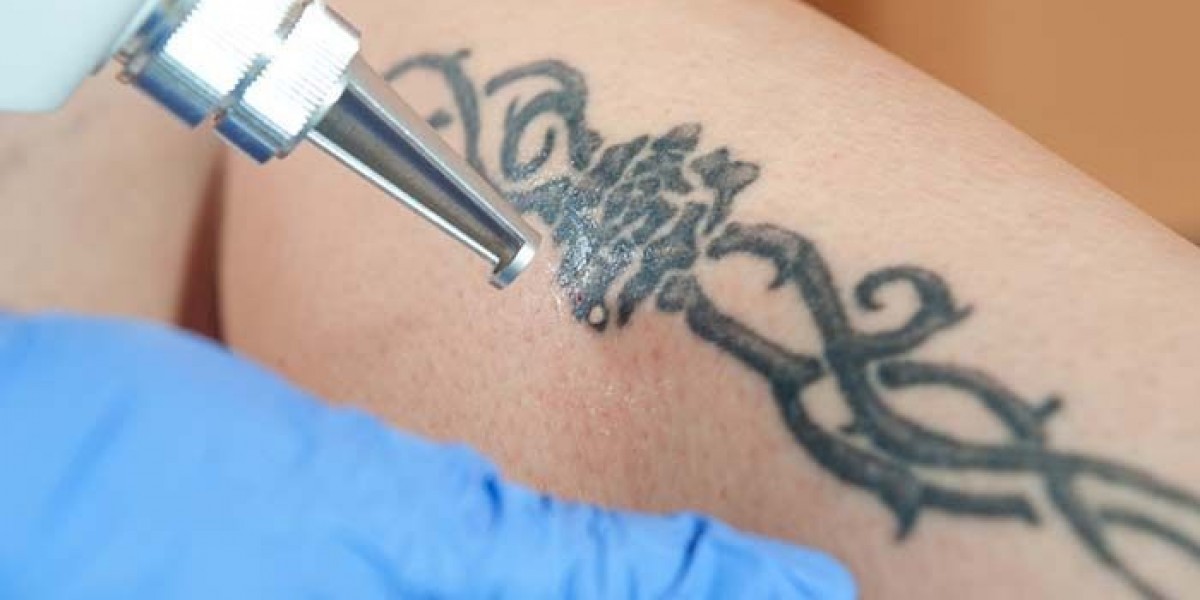
Laser tattoo removal is a medical aesthetic procedure that targets tattoo pigments beneath the skin. Short laser pulses break ink particles into smaller fragments, allowing the body’s immune system to naturally eliminate them over time. This method focuses on precision, helping protect surrounding skin while addressing unwanted pigment effectively.
Why Laser Technology Is Considered the Gold Standard
Laser-based tattoo removal has replaced older, invasive techniques due to its safety and accuracy. Modern laser systems allow controlled energy delivery, adapting to various ink depths and colors. This advancement reduces unnecessary skin trauma, supports even fading, and aligns with patient expectations for gradual, natural-looking improvement.
The Science Behind Ink Fragmentation
Tattoo ink sits deep within the dermis, making removal complex. Laser energy selectively targets pigment molecules without damaging surrounding tissue. Once fragmented, these particles are gradually cleared through natural metabolic processes. This biological cooperation between technology and the body explains why multiple sessions are often required for optimal results.
Types of Tattoos That Can Be Treated
Professional, amateur, cosmetic, and medical tattoos all respond differently to laser treatment. Factors such as ink quality, depth, color composition, and age of the tattoo influence outcomes. Modern systems are designed to address a wide range of tattoo styles, offering tailored approaches rather than one-size-fits-all solutions.
Tattoo Colors and Laser Response
Black and dark blue inks absorb laser energy more efficiently, often fading faster. Lighter shades like green, yellow, or pastel tones may require advanced wavelengths and additional sessions. New-generation lasers are specifically engineered to address multi-colored tattoos, expanding treatment possibilities across diverse ink palettes.
Importance of Skin Assessment Before Treatment
A thorough skin evaluation ensures safe and effective treatment planning. Skin tone, sensitivity, tattoo location, and medical history all influence laser settings. Proper assessment helps reduce risks, supports even fading, and ensures that treatment aligns with individual skin characteristics rather than generic protocols.
How Skin Tone Affects Laser Tattoo Removal
Different skin tones respond uniquely to laser energy. Advanced technology allows practitioners to customize wavelengths and pulse durations, minimizing risks such as pigmentation changes. This adaptability makes laser tattoo removal accessible to a broader range of individuals while maintaining a strong focus on skin health and safety.
The Role of Sessions in Tattoo Fading
Tattoo removal is a gradual process rather than an instant fix. Each session breaks down additional ink particles, allowing the body time to clear them naturally. Spacing sessions properly supports skin recovery and enhances results, reinforcing the importance of patience and consistent follow-up care.
What to Expect During a Treatment Session
A typical session involves cleansing the area, applying protective measures, and delivering controlled laser pulses to the tattooed skin. Sensations vary, often described as brief warmth or snapping feelings. Post-treatment care focuses on soothing the skin and supporting natural healing processes.
Recovery and Aftercare Considerations
Post-treatment care plays a vital role in outcomes. Mild redness or swelling may occur temporarily, while proper hydration and sun protection support recovery. Following aftercare guidelines helps reduce complications and encourages smoother fading across sessions without unnecessary skin stress.
Safety Standards in Modern Laser Treatments
Medical-grade laser systems are designed with multiple safety features, including adjustable settings and skin-cooling mechanisms. These safeguards help protect surrounding tissue and maintain treatment precision. Adhering to strict clinical protocols further reinforces patient confidence and treatment reliability.
Addressing Common Myths About Tattoo Removal
Many believe tattoo removal causes permanent scarring or severe pain. In reality, modern laser techniques prioritize controlled energy delivery and skin preservation. When performed correctly, the procedure focuses on gradual pigment fading rather than aggressive skin damage, challenging outdated misconceptions.
Laser Tattoo Removal Versus Alternative Methods
Non-laser methods such as creams or abrasive techniques often lack scientific support. Laser technology remains the most researched and clinically accepted option due to its targeted approach and predictable outcomes. This reliability explains its widespread use in reputable aesthetic clinics worldwide.
Emotional Benefits of Tattoo Removal
Beyond physical changes, tattoo removal can offer emotional relief. Removing or fading unwanted ink may help individuals feel more confident and aligned with their current identity. This psychological benefit often plays a significant role in a patient’s decision to pursue treatment.
Long-Term Skin Health and Tattoo Removal
Modern laser systems emphasize skin preservation alongside pigment reduction. By avoiding unnecessary trauma, treatments support long-term skin texture and tone. This approach aligns with contemporary aesthetic values focused on subtle improvement rather than dramatic, damaging interventions.
Customization in Treatment Planning
Every tattoo tells a different story, and removal plans should reflect that uniqueness. Customization considers ink density, skin response, and personal goals. This individualized strategy enhances outcomes and ensures that treatment evolves based on progress rather than rigid timelines.
Advancements in Laser Technology
Technological innovation continues to refine tattoo removal outcomes. Faster pulse durations, improved wavelengths, and smarter energy distribution have expanded treatment capabilities. These advancements allow clinics to address challenging tattoos more effectively while maintaining high safety standards.
Managing Expectations Throughout the Process
Clear communication about achievable results is essential. Complete removal may not always be possible, but significant fading is often attainable. Understanding this realistic framework helps patients stay motivated and satisfied as gradual improvements become visible over time.
Tattoo Removal and Lifestyle Factors
Lifestyle habits such as hydration, sun exposure, and overall wellness influence healing and ink clearance. Supporting the body’s natural processes enhances treatment outcomes. Awareness of these factors empowers patients to actively contribute to their own results.
The Role of Expertise in Laser Treatments
While technology is crucial, professional expertise remains equally important. Proper training ensures accurate laser settings and responsive adjustments. Skilled oversight helps balance effectiveness with safety, reinforcing trust in the overall treatment experience.
Cultural and Social Perspectives on Tattoo Removal
In many communities, tattoos may carry different social meanings over time. Tattoo removal offers flexibility for individuals navigating evolving personal or professional environments. This adaptability highlights the growing relevance of aesthetic services in modern urban settings.
Why Riyadh Has Become a Hub for Aesthetic Care
Riyadh’s expanding aesthetic sector reflects increased demand for advanced cosmetic solutions. Clinics adopt cutting-edge technologies and international standards, making services like Laser Tattoo Removal in Riyadh increasingly sought after by residents seeking reliable, modern care.
Psychological Preparation Before Starting Treatment
Mental readiness supports a positive experience. Understanding the gradual nature of tattoo removal helps reduce frustration. Approaching treatment with patience and informed expectations contributes to both emotional satisfaction and visible progress.
Addressing Sensitivity and Comfort Concerns
Modern laser systems often include cooling mechanisms to enhance comfort. These features help reduce surface heat and support skin protection. Comfort-focused design encourages a more relaxed experience, particularly for individuals undergoing multiple sessions.
Tattoo Removal for Different Body Areas
Tattoo location influences response rates due to circulation differences. Areas closer to the heart often fade faster, while extremities may take longer. Understanding these variations helps patients appreciate why results progress differently across body regions.
Combining Tattoo Removal with Skincare Awareness
Healthy skin responds better to aesthetic treatments. Maintaining proper skincare routines supports healing and pigmentation balance. This holistic approach aligns tattoo removal with broader skin wellness rather than treating it as an isolated procedure.
The Importance of Ethical Aesthetic Practices
Ethical clinics prioritize patient education, realistic outcomes, and safety over exaggerated promises. Transparency builds trust and supports informed decision-making, ensuring that tattoo removal remains a responsible, patient-centered service.
How Technology Supports Predictable Outcomes
Consistency in laser performance allows practitioners to monitor progress accurately. Predictable energy delivery supports gradual improvement while minimizing risks. This reliability is essential for building confidence in long-term treatment plans.
Tattoo Removal and Self-Image Transformation
Removing unwanted tattoos can symbolize personal growth or new beginnings. This transformation often extends beyond appearance, influencing self-perception and confidence. Such emotional shifts highlight the deeper impact of aesthetic procedures.
Environmental and Lifestyle Adaptations During Treatment
Avoiding excessive sun exposure and maintaining balanced routines support optimal outcomes. These small adjustments complement clinical care, emphasizing the collaborative nature of successful tattoo removal journeys.
Addressing Frequently Asked Questions Early
Providing clear information from the beginning helps reduce anxiety. Understanding how laser tattoo removal works, what to expect, and how to prepare fosters a sense of control and reassurance throughout the treatment process.
Future Trends in Tattoo Removal Technology
Research continues to refine laser efficiency and comfort. Emerging innovations aim to reduce session numbers while improving fading consistency. These trends reflect the industry’s commitment to continuous improvement and patient satisfaction.
Why Informed Decisions Matter
Choosing tattoo removal should be based on accurate information rather than impulse. Educated decisions lead to better experiences and outcomes. Access to reliable knowledge empowers individuals to approach treatment confidently and responsibly.
Building Trust Through Transparency
Clear explanations about procedures, recovery, and expectations strengthen patient trust. Transparency ensures alignment between goals and achievable results, reinforcing long-term satisfaction with the treatment journey.
Integrating Tattoo Removal into Personal Care Goals
Tattoo removal often complements broader self-care objectives. Whether pursuing professional growth or personal renewal, the procedure fits into holistic lifestyle planning rather than standing alone as a cosmetic choice.
The Role of Consultation in Treatment Success
Consultations allow personalized planning and open dialogue. This interaction ensures concerns are addressed and treatment aligns with individual needs. Effective consultations form the foundation of successful aesthetic outcomes.
Reassurance Through Clinical Standards
Adherence to medical protocols and hygiene standards reinforces safety. These practices protect both skin health and overall well-being, underscoring the professionalism behind modern tattoo removal services.
Final Thoughts on Modern Tattoo Removal
Laser tattoo removal represents a blend of science, technology, and personalized care. Its evolution reflects changing attitudes toward aesthetics and self-expression. With proper guidance, the journey becomes both transformative and empowering.
Take the Next Step with Confidence
If you are considering a safe, informed approach to Laser Tattoo Removal in Riyadh, Royal Clinic Saudia offers modern solutions focused on skin health, gradual results, and patient education. Book a consultation today and begin your journey toward clearer, more confident skin with expert-guided care.
Frequently Asked Questions
Is laser tattoo removal suitable for all skin types?
Modern laser systems are designed to adapt to different skin tones. Customized settings help minimize risks and support safe, effective fading across a wide range of skin types when properly assessed.
How long does the tattoo removal process usually take?
The process varies depending on tattoo size, color, depth, and skin response. Most individuals require multiple sessions spaced over time to allow natural ink clearance and skin recovery.
Does laser tattoo removal completely erase tattoos?
While significant fading is common, complete removal depends on individual factors. Realistic expectations and professional assessment help determine achievable outcomes for each tattoo.
Can old tattoos be removed more easily than new ones?
Older tattoos often respond more quickly because ink has already begun breaking down naturally. However, results still depend on ink type, skin condition, and treatment consistency.