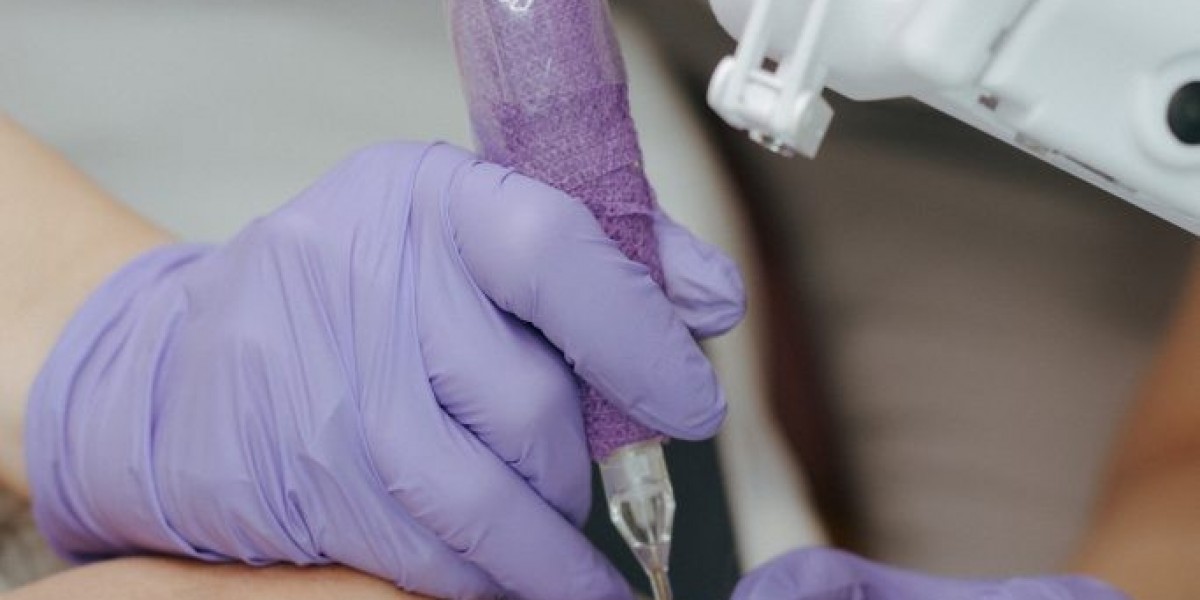

Medical procedures often leave physical marks that can affect a person’s self-esteem long after the healing process is finished. While surgery can repair the body, it sometimes leaves the skin looking incomplete or scarred. This is where the specialized field of paramedical micropigmentation steps in to provide a final, aesthetic touch to the recovery journey.
If you are wondering what is medical tattooing, it is a clinical method of depositing pigment into the skin to camouflage scars or recreate anatomical features. Unlike decorative tattoos, the goal here is total realism and discretion. It is a compassionate service offered by Julia Roe to help individuals feel whole and confident in their skin once again.
The Purpose and Scope of Medical Micropigmentation
The primary objective of this treatment is to restore a natural appearance to areas affected by surgery, accidents, or skin conditions. Technicians use specialized pigments that are custom-blended to match the patient’s unique skin tone. This ensures that the tattooed area blends seamlessly with the surrounding tissue, making scars much less noticeable to the naked eye.
This field covers a wide range of applications, from concealing surgical incisions to simulating hair on the scalp. It is an essential service for those who have completed their medical treatments but want to address the visual reminders of their experience. The results are often life-changing, providing a sense of closure and renewal.
Restorative Art for Breast Cancer Survivors
One of the most common applications of this art form is in breast reconstruction. For those who have undergone a mastectomy, an areola reduction tattoo or reconstruction can recreate the appearance of a natural nipple and areola. This procedure uses 3D shading techniques to provide depth and texture, helping survivors reclaim their femininity and body confidence.
Camouflaging Scars and Skin Depigmentation
Scars from C-sections, facelifts, or trauma can often be lightened or blended using skin-colored pigments. Similarly, conditions like vitiligo can be managed by adding color back to depigmented patches. This requires a high level of expertise in color theory to ensure the pigment remains stable and looks natural as the skin ages.
Conclusion
Medical tattooing is a powerful intersection of healthcare and artistry that focuses on emotional and physical restoration. By addressing the visual aspects of recovery, it allows individuals to move forward with a renewed sense of self. Trusting a specialist like Julia Roe ensures that your restorative journey is handled with the highest level of care and precision.