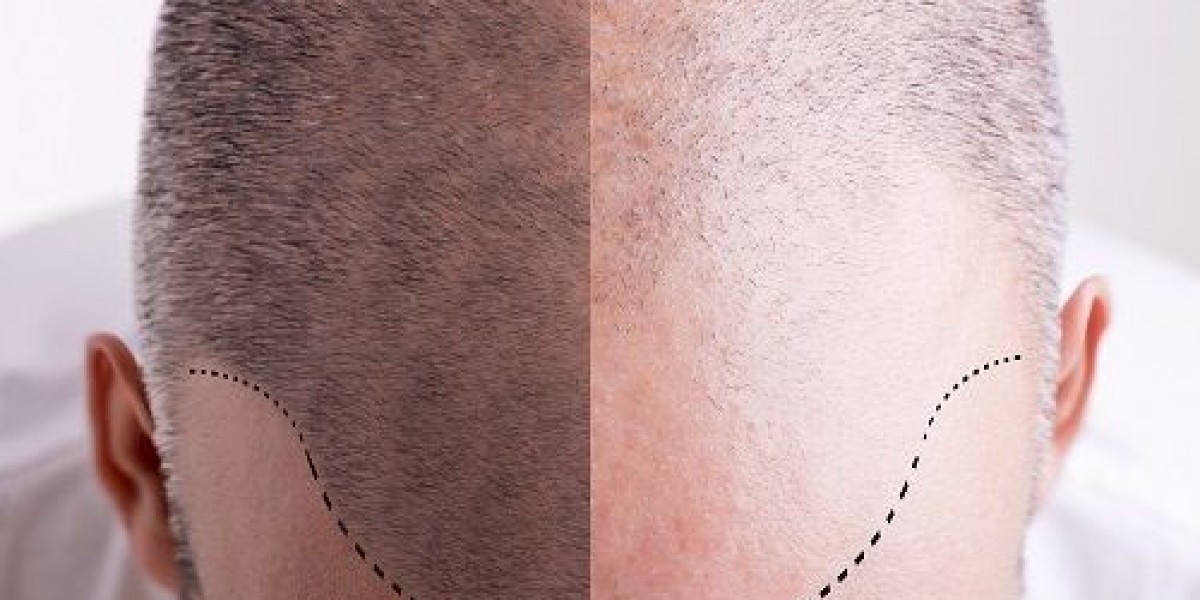

Hair loss is no longer viewed as a purely cosmetic issue. It is now understood as a biological process influenced by genetics, inflammation, aging, and cellular signaling. In recent years, Exosomes Therapy for Hair Loss has emerged as a science-backed regenerative approach that aligns with how hair follicles naturally repair, communicate, and grow, making it highly appealing to dermatology professionals worldwide.
Understanding Hair Loss Beyond the Surface
Hair Loss Is a Biological Process, Not Just a Cosmetic One
Hair thinning occurs when follicles gradually lose their ability to regenerate. Factors such as inflammation, hormonal imbalance, oxidative stress, and reduced cellular communication contribute to follicle miniaturization. Dermatologists increasingly focus on restoring scalp biology rather than masking symptoms, which explains the growing interest in advanced regenerative therapies.
Why Traditional Hair Treatments Often Plateau
Conventional hair restoration methods may slow hair loss but often fail to reactivate dormant follicles. Many solutions work externally rather than influencing internal cellular processes. Over time, users experience stagnation, leading dermatologists to explore treatments that address hair loss at its biological origin rather than at the surface level.
What Are Exosomes and Why Do They Matter?
The Role of Exosomes in Cellular Communication
Exosomes are microscopic vesicles released by cells to transmit signals. They carry proteins, growth factors, and genetic material that instruct surrounding cells how to behave. In scalp biology, these signals can influence follicle repair, inflammation control, and hair cycle regulation in a highly targeted manner.
How Exosomes Differ from Other Regenerative Components
Unlike isolated growth factors, exosomes deliver complex biological messages in a natural format. This allows them to coordinate multiple repair pathways simultaneously. Dermatologists value this multi-layered signaling because hair regrowth requires more than a single trigger to achieve sustainable improvement.
Why Dermatologists Are Adopting Exosome-Based Hair Treatments
A Shift Toward Regenerative Dermatology
Modern dermatology emphasizes regenerative solutions that enhance the body’s natural repair mechanisms. Exosome-based approaches align with this philosophy by supporting follicle recovery rather than forcing artificial stimulation. This shift reflects a broader movement toward biologically intelligent hair restoration methods.
Precision Targeting at the Follicular Level
Exosomes interact directly with follicle stem cells and surrounding tissue. Their ability to penetrate deeply and deliver targeted instructions makes them especially valuable in cases where follicles are dormant but not permanently damaged, offering dermatologists a precise tool for hair regeneration.
How Exosome Therapy Supports Hair Regrowth
Reactivating Dormant Hair Follicles
Hair follicles often become inactive due to disrupted cellular signaling. Exosome-based treatments help restore these signals, encouraging follicles to re-enter the growth phase. This process supports gradual thickening, improved density, and stronger hair shafts over time.
Reducing Scalp Inflammation
Chronic inflammation is a major contributor to hair loss. Exosomes contain anti-inflammatory molecules that help calm the scalp environment. Dermatologists appreciate this dual benefit, as reducing inflammation improves comfort while creating favorable conditions for healthy hair growth.
Enhancing Blood Supply to the Scalp
Healthy circulation is essential for follicle nourishment. Exosomes promote angiogenesis, which supports the formation of new blood vessels. Improved blood flow enhances oxygen and nutrient delivery, strengthening follicles and supporting sustained hair growth cycles.
Scientific Foundations Behind Exosome Therapy
Research-Driven Innovation in Hair Restoration
Exosome science originates from regenerative medicine and stem cell research. Studies demonstrate their ability to support tissue repair, cell proliferation, and immune regulation. Dermatologists rely on this growing body of research when integrating advanced therapies into hair loss management plans.
Why Evidence-Based Dermatology Matters
Hair loss patients are increasingly informed and selective. Dermatologists prioritize treatments supported by scientific understanding rather than trends. Exosome-based approaches offer a balance of innovation and biological credibility, reinforcing trust between practitioners and patients.
Exosomes vs Conventional Hair Loss Solutions
Addressing Root Causes Instead of Symptoms
Many traditional treatments focus on slowing hair loss rather than reversing follicle damage. Exosome-based therapy targets underlying biological dysfunctions, such as impaired signaling and inflammation, offering a more comprehensive solution for long-term hair health.
Long-Term Scalp Health Benefits
Beyond visible regrowth, exosome treatments improve scalp quality. Healthier skin, reduced sensitivity, and balanced oil production contribute to a supportive environment for hair follicles, which dermatologists recognize as essential for maintaining results.
Who May Benefit from Exosome Hair Therapy?
Early to Moderate Hair Thinning
Individuals experiencing early-stage hair thinning often respond well to regenerative approaches. Exosomes help preserve existing follicles while reactivating weakened ones, making them ideal for patients seeking proactive intervention rather than corrective procedures.
Individuals with Inflammation-Related Hair Loss
Hair loss linked to stress, autoimmune responses, or scalp inflammation may benefit significantly from exosome-based treatments. Dermatologists often consider this approach when inflammation plays a central role in follicle dysfunction.
Safety and Tolerability Considerations
Biocompatibility and Natural Signaling
Exosomes are naturally occurring messengers, making them well-tolerated when used appropriately. Dermatologists value treatments that align with the body’s biology, as this reduces the likelihood of adverse reactions and supports consistent outcomes.
Minimal Downtime and Scalp Stress
Unlike invasive procedures, exosome-based hair treatments involve minimal disruption to the scalp. This allows individuals to resume daily activities quickly while benefiting from ongoing regenerative processes beneath the surface.
The Patient Experience with Exosome Hair Treatments
Gradual, Natural-Looking Improvement
Hair regrowth with exosomes occurs progressively, which many patients prefer. Dermatologists note that gradual improvement looks more natural and allows the scalp to adapt, resulting in hair that blends seamlessly with existing growth.
Psychological Benefits of Regenerative Care
Hair loss often affects confidence and emotional well-being. Treatments that focus on regeneration rather than concealment provide reassurance and empowerment, enhancing the overall patient experience beyond physical results.
The Role of Personalization in Exosome Therapy
Tailored Approaches for Different Hair Loss Patterns
No two cases of hair loss are identical. Dermatologists integrate exosome-based therapy into personalized treatment plans, adjusting protocols based on hair type, scalp condition, and progression stage to optimize outcomes.
Combining Exosomes with Holistic Hair Care
Exosome therapy works best when supported by proper scalp care, nutrition, and lifestyle management. Dermatologists emphasize comprehensive strategies that reinforce regenerative processes and promote long-term follicle resilience.
Ethical and Professional Considerations in Dermatology
Commitment to Patient Education
Dermatologists adopting exosome treatments prioritize transparency and education. Explaining how regenerative signaling works helps patients make informed decisions and builds trust in advanced hair restoration options.
Responsible Integration of Innovation
While innovation drives progress, responsible implementation is essential. Dermatologists rely on clinical understanding and ethical standards when introducing exosome-based solutions into practice, ensuring patient safety remains central.
Long-Term Outlook for Exosome-Based Hair Restoration
A Growing Role in Dermatological Care
As regenerative science evolves, exosomes are expected to play an increasingly significant role in hair loss management. Dermatologists anticipate broader applications as research expands and protocols become more refined.
Redefining Expectations for Hair Regrowth
Exosome therapy shifts expectations from temporary fixes to sustainable improvement. By supporting follicle health at a cellular level, this approach redefines what patients and practitioners can realistically expect from hair restoration.
Frequently Asked Questions
Is exosome therapy suitable for all types of hair loss?
Exosome-based treatments are most effective for non-scarring hair loss and conditions involving follicle miniaturization. A professional assessment helps determine suitability based on individual scalp health and hair loss patterns.
How long does it take to notice visible results?
Hair regrowth is gradual. Many individuals begin noticing improvements in texture and density within a few months as follicles respond to regenerative signals and enter healthier growth cycles.
Can exosome therapy be combined with other treatments?
Yes, dermatologists often integrate exosome-based approaches with complementary hair care strategies to enhance overall outcomes while supporting scalp health and follicle longevity.
Does exosome therapy support existing hair as well?
Beyond promoting new growth, exosomes help strengthen existing hair by improving scalp environment, circulation, and follicle nourishment, contributing to overall hair vitality.
Final Thoughts and Call to Action
Dermatologists are embracing exosome-based hair restoration because it aligns with modern regenerative science and patient-centered care. By addressing hair loss at its biological core, Exosomes Therapy for Hair Loss offers a forward-thinking solution for sustainable regrowth and scalp health. To explore advanced regenerative hair treatments guided by medical expertise, connect with Royal Clinic Saudia today and take a confident step toward healthier, fuller hair.