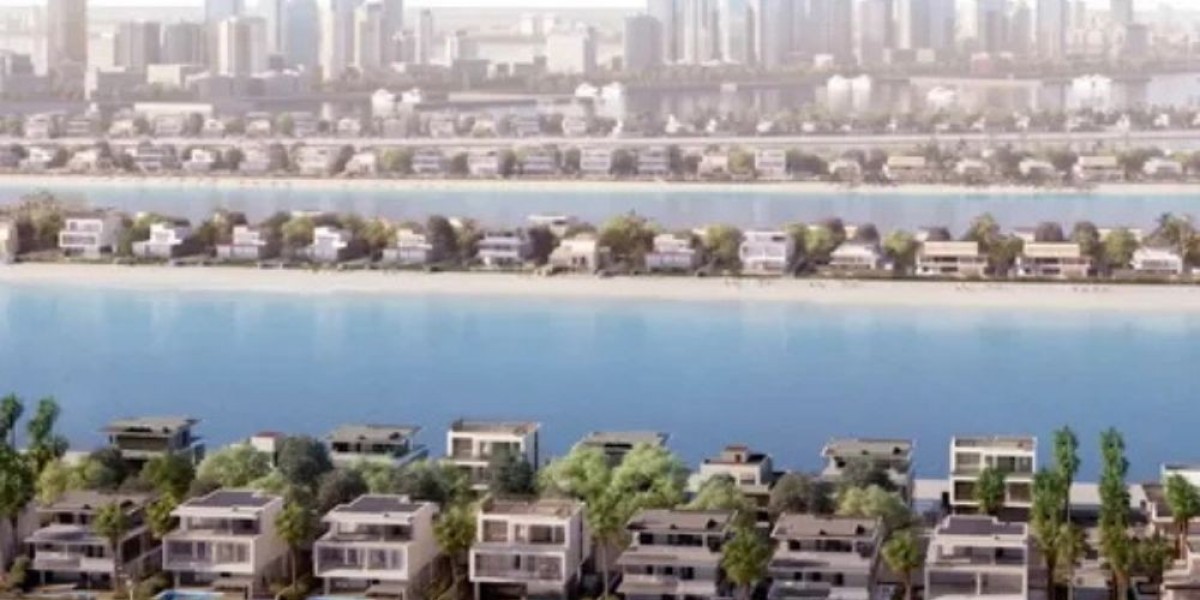

Palm Jebel Ali is one of Dubai’s most talked-about waterfront master communities, designed as a next-generation palm-shaped island with a focus on luxury living, beaches, and resort-style lifestyle. If you’re comparing villas, understanding the master plan, and trying to judge likely price ranges, the smartest approach is to look at the community layout, what typically drives value on island projects (beach access, views, plot position), and how Dubai’s off-plan buying process works.
Palm Jebel Ali in Dubai: Master Plan Overview and What Makes It Different
Palm-style developments are not just “a location” in Dubai—they’re a lifestyle category. The concept usually mixes private homes, hospitality, retail, and public beachfront experiences, with a strong focus on views and access. What makes Palm Jebel Ali feel different for buyers and investors is its scale and its future-facing planning: wide waterfront zones, modern mobility planning, and a more contemporary approach to community design.
Here’s how to think about the master plan in a practical, buyer-friendly way:
The big elements most buyers care about
The palm structure (trunk, fronds, and outer crescent zones) often impacts pricing and privacy
Beach access and “direct water” positioning tends to sit at the top of demand
Larger road buffers and master-planned green zones can influence noise, traffic, and long-term livability
Community entry and exit points matter more than people think—especially for daily commuting and school runs
Retail, dining, and hospitality clusters can boost lifestyle value but also affect footfall and privacy depending on proximity
What the master plan usually means for you
If your goal is lifestyle: you’ll likely prioritize privacy, beach access, and unobstructed views.
If your goal is investment: you’ll focus on long-term demand drivers like location within the island, unit scarcity, and what will remain desirable even after new supply launches.
A simple way to read the plan like a pro
When you look at any island master plan, check these four things before you fall in love with a brochure:
View corridors: What is in front of the villa? Water, road, landscaping, or another row of homes?
Access: How many turns to get in and out? Are you close to the main circulation routes?
Amenities distance: Are you walking distance from key facilities, or do you need a buggy/car every time?
Future surroundings: What will be built next to your plot? Parks are great. Busy retail edges can be less ideal for privacy.
Lifestyle Zones and Community Experience
Many people search for Palm projects because they want a certain “daily feeling,” not just a property. So it helps to imagine the experience zone-by-zone.
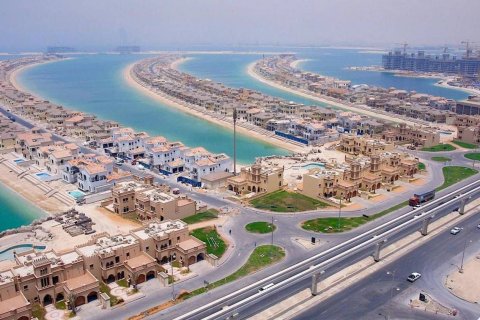
Beachfront and water-edge living
Beachfront homes are typically favored for:
Stronger end-user demand
Higher short-term rental interest (if the area supports it)
Better resale liquidity in premium markets
But they can also come with considerations such as higher service charges and more attention to maintenance due to marine exposure.
Family-focused community pockets
Master-planned islands often include quieter pockets that appeal to families:
Less through-traffic
More predictable noise levels
Better sense of “neighborhood”
Easier access to parks and open spaces
If you have kids, or you value quiet more than the wow-factor view, these pockets can deliver better daily comfort.
Hospitality and destination zones
Hotels, resorts, and dining strips can raise the prestige of a destination. They also:
Create a stronger “place identity”
Encourage tourism demand
Improve long-term recognition of the location
The trade-off is footfall. If you want ultimate privacy, you’ll likely prefer being a little away from the busiest public areas.
Villas: Types, Layout Logic, and How Buyers Should Choose
Island villas are rarely “one-size-fits-all.” Even within the same bedroom count, the real value can change based on plot, orientation, and view.
Typical villa features buyers expect in premium island communities
Large open-plan living and dining zones
Floor-to-ceiling windows for natural light
Outdoor terraces and garden areas
Parking designed for multiple vehicles
Optional upgrades (pool, lift, smart-home packages) depending on the release
What usually drives villa value more than bedroom count
Bedroom count is only part of the story. These factors often matter more:
View quality (open water vs partial water vs community view)
Corner plots vs mid-row positions
Plot size and built-up area balance
Privacy (setbacks, landscaping, and sightlines)
Distance from main roads and public zones
Quick guidance: matching villa choice to your goal
If you’re buying to live:
Choose the layout that fits your real routine (storage, kitchen size, family lounge, maid’s room, parking)
Prioritize privacy and easy access over “marketing wow”
If you’re buying to resell:
Prioritize the most universally desirable features (views, beach proximity, scarcity)
Avoid “complicated” plots that only suit a narrow buyer type
If you’re buying to invest long-term:
Look for value pockets where lifestyle is strong but entry price is not at the absolute peak
Focus on future desirability, not launch hype
Prices: What Impacts Them and How to Judge Value Without Guessing
Because pricing can vary by phase, view, and release strategy, the best way to approach “prices” is to understand what creates the price range. Buyers often make mistakes by comparing a headline number without checking what’s included.
The biggest pricing factors in island master communities
Phase and release timing (earlier releases can be priced differently)
Location within the island (frond positioning, trunk convenience, outer-edge prestige)
View category (direct beach, sea-facing, internal community view)
Plot size vs built-up area
Payment plan structure (down payment, milestone schedule, handover percentage)
How to compare offers like a serious buyer
Use a simple checklist:
Compare price per square foot, not only total price
Ask what the view category is and whether it can change due to future construction
Confirm the exact plot position on the master plan
Understand what “premium” means in that release (finishes, smart home, landscaping)
Look at payment plan flexibility and your cash flow comfort
A realistic buyer mindset
Premium waterfront communities can reward patient buyers, but they also punish rushed decisions. Take time to confirm the exact unit position and what is planned around it. That single step can protect you from the most common “I didn’t know this would be here” regret.
Buying Process in Dubai: What You Should Prepare Before Booking
Many buyers love the project but get slowed down by paperwork or funding readiness. If you want to move smoothly, prepare these basics:
Documents and readiness
Passport copy and valid contact details
Proof of funds or financing readiness if applicable
A clear budget including registration fees and service charges
Basic timeline preference (short-term flipping vs long-term holding vs end-use)
Payment plan comfort
Before you commit, calculate:
How much you pay in the first 60–90 days
Your milestone schedule and whether it aligns with your income or business cash flow
Buffer money for unexpected expenses (fees, upgrades, furnishing)
Common mistakes to avoid
Booking without checking the plot position and view corridor
Overstretching on payment milestones
Ignoring service charge expectations for premium waterfront communities
Comparing a beach-facing villa with an internal-view villa as if they’re the same product
Who This Community Suits Best
This is the part most blogs skip, but it matters. Not every luxury project is right for every buyer.
This kind of island community usually suits:
End-users who want a premium waterfront lifestyle and long-term pride of ownership
Investors looking for landmark locations with strong long-term demand narratives
Buyers who value privacy, views, and a resort-style environment more than being in the city center
It may be less ideal for:
Buyers who need the lowest entry price and the fastest rental yield
People who prefer older, fully mature neighborhoods today
Anyone uncomfortable with off-plan timelines and milestone payments
How to Use This Information to Make a Smart Shortlist
If you’re serious about buying, create a shortlist based on your top three priorities. Here’s a quick framework:
Priority 1: Lifestyle
Beach access
Privacy
Walkability and amenities
Priority 2: Value
View category and scarcity
Plot position
Phase advantage
Priority 3: Payment comfort
Down payment size
Milestone schedule
Your cash flow safety buffer
Once you know your priorities, selecting the right villa becomes much easier—and you’ll feel confident even when multiple options look attractive.
A Practical Next Step
If you want updated availability, release details, and guidance on choosing the right unit type based on your goal, Palm Jebel Ali Properties can help you shortlist options with clear comparisons and no confusion around view categories, plot positions, and payment plan milestones.
Final Thoughts
Palm Jebel Ali in Dubai is not just another community—it’s a landmark-style destination focused on modern waterfront living. If you approach it with a master plan mindset (views, access, privacy, future surroundings) and compare villas using real value drivers, you’ll make a stronger decision and avoid the common buyer traps. When you shortlist smartly, you don’t just buy a property—you buy the right position inside a future icon.