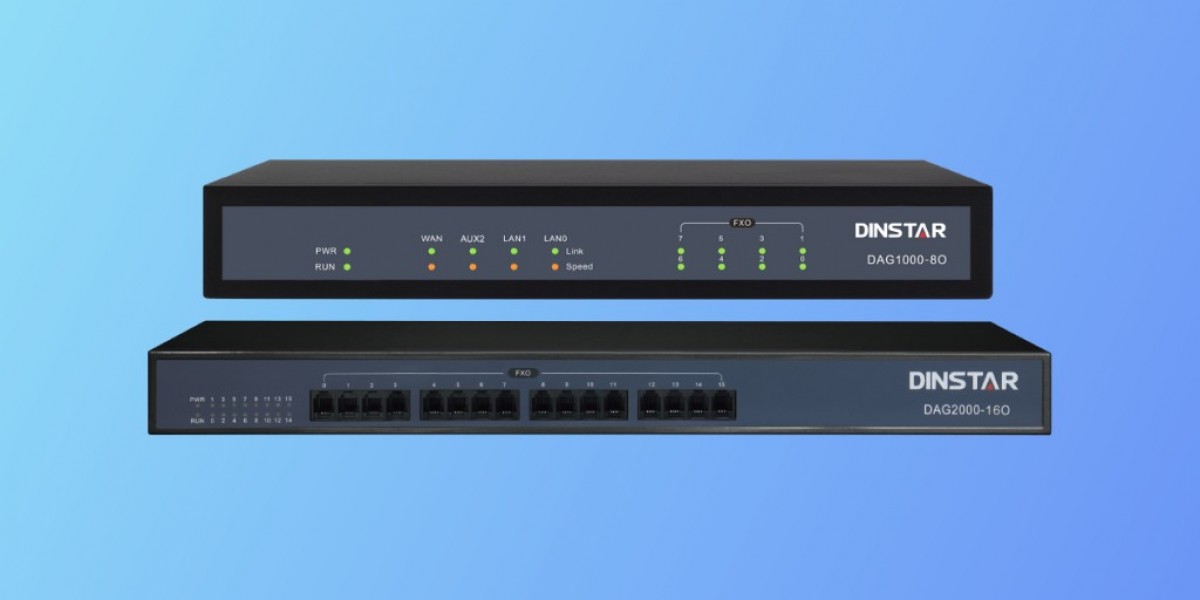

An Analog Gateway plays a crucial role in modern communication environments by enabling seamless interaction between traditional analog telephony devices and IP-based communication networks. As businesses gradually shift toward VoIP solutions, analog gateways ensure that existing phone systems, fax machines, and legacy infrastructure continue to function without disruption. This makes them an essential component for organizations looking to modernize communication while protecting prior investments.
How an Analog Gateway Works
An analog gateway acts as a translator between analog signals and digital IP packets. It converts voice signals from traditional devices into data that can be transmitted over an IP network and vice versa. This process allows analog phones to operate within a VoIP ecosystem without requiring major hardware replacement. The gateway handles signaling, voice encoding, and protocol conversion, ensuring smooth and reliable communication between both environments.
Key Features of an Analog Gateway
Analog gateways are designed to deliver stable and consistent voice transmission while supporting interoperability across different systems. They typically offer features such as call routing, echo cancellation, and voice compression to maintain call quality. Many gateways also support multiple analog lines, making them suitable for small offices as well as large enterprises with complex communication requirements. The ability to integrate easily with IP PBX systems further enhances their flexibility and scalability.
Benefits of Using an Analog Gateway
One of the biggest advantages of using an analog gateway is cost efficiency. Businesses can continue using their existing analog devices while gradually transitioning to VoIP technology. This reduces the need for immediate, large-scale infrastructure changes. Additionally, an analog gateway simplifies network management by centralizing communication control and improving operational efficiency. It also ensures business continuity by providing a dependable bridge between old and new systems.
Common Use Cases and Applications
Analog gateways are widely used in offices, hotels, call centers, and industrial environments where analog devices are still prevalent. They are especially valuable in scenarios where fax machines, intercom systems, or emergency phones must remain operational. By integrating these devices into an IP-based network, organizations can achieve modern communication capabilities without compromising reliability or compliance requirements.
Choosing the Right Analog Gateway
Selecting the right analog gateway depends on factors such as the number of devices to be connected, call volume, and network compatibility. Businesses should consider scalability, ease of integration, and long-term support when evaluating options. A well-chosen gateway not only ensures smooth communication today but also supports future expansion as VoIP adoption grows.
Conclusion
An Analog Gateway is a practical and strategic solution for organizations navigating the transition from traditional telephony to IP-based communication. By enabling interoperability, reducing costs, and ensuring uninterrupted service, it serves as a dependable link between legacy systems and modern networks. As communication technologies continue to evolve, analog gateways remain a valuable asset for businesses seeking flexibility and continuity.