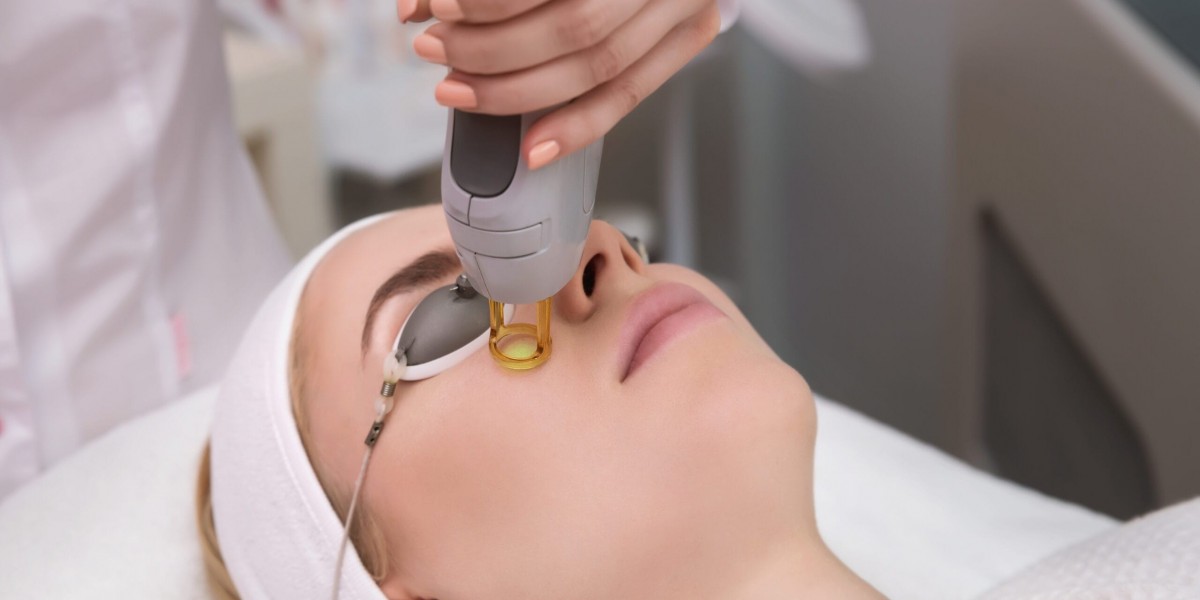

Proper post-treatment care is essential for achieving the best results after fractional CO2 laser therapy. Fractional laser Riyadh has become a highly sought-after solution for skin rejuvenation, scar reduction, and anti-aging, but recovery depends largely on how well patients follow aftercare instructions. By understanding key post-treatment practices, patients can minimize side effects, accelerate healing, and enjoy long-lasting improvements in skin texture, tone, and overall health.
Understanding Post-Treatment Skin Needs:
After a fractional CO2 laser session, the skin enters a delicate healing phase. The microscopic wounds created during treatment stimulate collagen production and cell turnover, but the skin is temporarily more sensitive. Proper care helps:
Reduce redness, swelling, and irritation
Support the natural healing process
Prevent infection and scarring
Optimize collagen remodeling for smoother, firmer skin
Cleaning and Hydration:
Maintaining clean and hydrated skin is critical during recovery:
Gently cleanse treated areas with a mild, non-abrasive cleanser
Avoid hot water, harsh scrubs, or exfoliating products for at least one week
Apply prescribed soothing ointments or moisturizers to keep skin hydrated
Pat the skin dry instead of rubbing to prevent irritation
Managing Redness and Swelling:
Mild redness and swelling are normal post-treatment reactions:
Use cool compresses to reduce discomfort and inflammation
Avoid excessive touching, scratching, or rubbing of treated areas
Sleep with your head slightly elevated if facial swelling occurs
Over-the-counter pain relief may be taken if approved by your dermatologist
Protecting Against Sun Exposure:
Sun protection is crucial during post-treatment healing:
Apply broad-spectrum sunscreen with SPF 30 or higher daily
Wear protective clothing or wide-brimmed hats when outdoors
Avoid tanning beds or prolonged sun exposure for several weeks
Proper sun protection prevents pigmentation changes and ensures even healing
Avoiding Irritants:
Certain products and activities can interfere with recovery:
Refrain from using retinoids, chemical peels, or strong exfoliants until cleared by your dermatologist
Avoid makeup on treated areas for at least 24–48 hours, or as recommended
Steer clear of swimming pools, saunas, and hot tubs to prevent infection
Minimize exposure to smoke, pollution, and other environmental irritants
Supporting Collagen and Healing:
Post-treatment care can enhance the skin’s natural regenerative process:
Maintain a healthy diet rich in antioxidants, vitamins, and proteins
Stay hydrated to support cell repair and elasticity
Avoid smoking and excessive alcohol, which can slow healing
Follow your dermatologist’s instructions for any prescribed topical or oral supplements
Monitoring Healing and Side Effects:
It’s important to observe your skin and identify any unusual reactions:
Mild redness, peeling, or flaking is normal in the first week
Contact your dermatologist if you notice persistent redness, swelling, or pain
Watch for signs of infection such as pus, unusual odor, or severe discomfort
Early intervention ensures safe recovery and prevents complications
Gradual Return to Skincare Routine:
Once the skin begins to heal, normal skincare can gradually resume:
Introduce gentle cleansers, moisturizers, and sunscreen first
Avoid strong active ingredients like retinoids or acids until cleared by your dermatologist
Reintroduce makeup slowly once the skin is fully healed
Continue maintaining hydration and sun protection for long-term results
Follow-Up and Maintenance:
Follow-up care ensures optimal long-term outcomes:
Attend scheduled check-ups to monitor healing and assess results
Additional sessions may be recommended for deeper scars, pigmentation, or wrinkles
Maintenance treatments can prolong results and support ongoing skin rejuvenation
Your dermatologist may adjust your post-care regimen based on progress
Benefits of Proper Post-Treatment Care:
Adhering to recommended post-care practices maximizes the advantages of fractional CO2 laser therapy:
Faster recovery with minimal discomfort
Reduced risk of complications, infection, or pigmentation changes
Enhanced collagen production for firmer, smoother skin
Long-lasting improvements in texture, tone, and overall appearance
Final Thoughts:
Post-treatment care is a crucial step in achieving the full benefits of fractional CO2 laser therapy. By following cleaning, hydration, sun protection, and lifestyle guidelines, patients can minimize side effects and optimize healing. For those seeking professional care, Fractional laser Riyadh offers a safe and effective solution for skin rejuvenation, scar reduction, and anti-aging. With proper aftercare, patients can enjoy healthier, smoother, and more radiant skin for the long term.